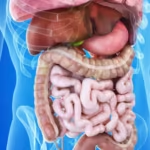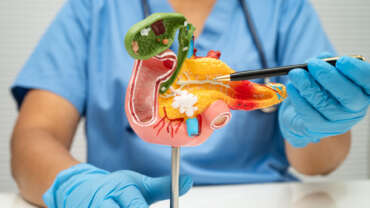
You’re eating. The calories are going in. But your body is failing to use them. The muscle isn’t rebuilding. The energy isn’t there. And the organ behind this silent breakdown is one most people never suspect the pancreas.
The muscle isn’t rebuilding. The energy isn’t there. And part of the reason is an organ most people never connect to cachexia: the pancreas. The pancreas controls insulin, which is the hormone that tells cells to absorb glucose and use it for energy. In cancer cachexia, inflammatory signals disrupt this system profoundly. Insulin resistance causes cells to stop responding to insulin’s signal. Glucose metabolism becomes inefficient, and the body shifts into a state of chronic metabolic dysfunction.
For the muscle, this is particularly damaging. Protein synthesis in muscle requires not just amino acids and calories but a functioning insulin signal to drive those nutrients into the cell. When that signal is blunted, even adequate nutritional intake fails to translate into meaningful muscle repair.
Pancreatic cancer makes this even more direct. Tumor invasion or compression of pancreatic tissue can impair insulin production itself, compounding the metabolic disruption. But even in non-pancreatic cancers, the inflammatory environment is sufficient to derail glucose regulation significantly.
This is why some of the most promising cachexia research targets metabolic reprogramming. It is not about feeding the body more, but restoring the signals that process what’s already coming in. Cachexia is as much a metabolic disease as it is a wasting disease.