
How to Lower Your Biological Age | 3 Science-Backed Habits
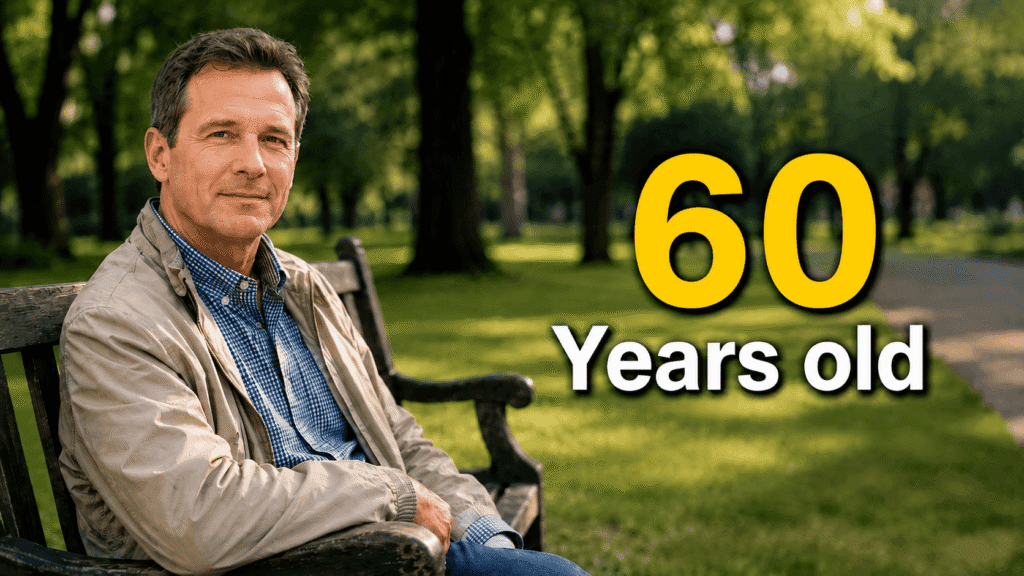

⏱ Quick Snapshot: 30-Second Read
The Idea You have a chronological age (years since birth) and a biological age (how fast your cells are actually aging). The second one can be influenced by how we live.
Can You Change It? Yes, at least partly. Human trial data now show that the pace of aging can be slowed through everyday habits.
What Works Best Three simple things, strongest evidence first: eat a little less, move more and sit less, and eat more real, unprocessed food. Anti-aging pills like metformin, rapamycin, NMN, and senolytics show some promise, but their effects are yet unproven.
The Bottom Line Consistency beats capsules every time. Our maintenance habits of healthy eating and healthy living determine our biological age. Rather than any shortcuts, the most effective way is to adopt an active lifestyle.
Introduction
Two people, both 50, but one can run around while the other struggles even while taking a walk in the park. We come across such examples daily, but have you thought about why that is?That difference is your biological age, and it reflects how your cells and organ systems behave, rather than just your chronological age. The important thing is that biological age is not fixed; it’s different for everyone. Scientists can now estimate it from a blood sample, and, for the first time, we have human clinical trial data showing that the speed of aging can actually be changed!
What Biological Age Actually Is
Your chronological age is how many years you’ve been alive. It’s just about counting your birthdays. Your biological age is how quickly your cells and DNA wear down. DNA inside a cell breaks a little every time our cells divide, and that is how irreversible changes associated with aging occur in our bodies. This wearing-down process can run faster or slower than the calendar, depending on how you live. Scientists can measure it by reading tiny chemical tags on your DNA that change in a steady, predictable way as you get older. A good analogy would be checking the mileage on a car rather than just its model year. Scientists are discovering that the wear and tear in our bodies isn’t occurring simply with time, and that how we live has a significant impact. They shift based on how you live.What Works #1: Eat a Little Less
The strongest evidence we have in humans has surprisingly come from food, specifically from eating a little less of it as we grow older. In 2023, researchers examined the results of the CALERIE trial, the largest rigorous study of calorie cutting ever conducted in healthy adults. About 220 people took part. One group ate as they usually did. The other group tried to eat less, and ended up eating roughly 12% fewer calories, around 300 a day, for two years. People who ate less aged more slowly on the inside, by about 2-3%. That may sound small, but in other research, a slowdown that size is associated with a 10 to 15% lower risk of dying early. That’s roughly what you get from quitting smoking. That is not to say that eating too little and severely restricting yourself is the answer. We require fewer calories to maintain as we grow older, so eating according to your needs without overeating out of habit is perhaps the way to go! Note: This effect came from taking a second look at a single study, and it isn’t the final word. Please do not take this post as a reason to eat too little. We do not endorse undereating or building an unhealthy relationship with food.What Works #2: Move More, Sit Less
The second thing that helps is moving your body, however much is feasible in your present condition. A 2026 review that combined 44 studies and about 145,000 people found that people who move more tend to be biologically younger. In that review, every extra 5 minutes a day of moderate activity was tied to a body that looked about 79 days younger on the inside. Now the catch: sitting. Long hours in a chair seem to speed up aging on their own, even for people who exercise. So a daily workout doesn’t fully undo a day spent mostly sitting. Take a short walk after meals. Get up and move every 45 minutes or so. Doing both, moving more and sitting less, makes a real difference.What Works #3: Eat Better-Quality Food
The third thing isn’t about how much you eat. It’s about what you eat. Mediterranean and DASH-style eating are both tied to slower aging on their own. That means more vegetables, fish, olive oil, nuts, and whole grains, and less processed food and sugar. How can it help? I take supplements to maintain my nutrients? You might say, and the answer is: a lot of it comes down to inflammation, the low, constant kind of irritation your body can carry for years without noticing, caused while metabolizing preprocessed food. This is one of the main things that ages you faster, and simple, whole foods help calm it down. You don’t have to follow any diet perfectly. The idea is simple: prioritizing more real, less processed food, as much as possible for you.What About the Anti-Aging Drugs?
Metformin, rapamycin, NMN, senolytics. They’re all over the internet and make bold claims. Here’s the honest review of each. Metformin is a long-standing diabetes drug now being tested for aging in a big trial called TAME. The results aren’t in yet, so its anti-aging benefit in healthy people is still unproven. Rapamycin is in early testing. A 2025 study found that a low weekly dose seemed safe but didn’t meet its main goal, and reviews so far find no evidence that it slows aging in healthy people. NMN and similar “NAD boosters” have only limited human research so far, and the results are mixed. Senolytics, which are meant to clear out old, worn-out cells, are still in the early stages of research. Note: The underlying biology is genuinely interesting, and some of these may prove useful in time. But right now, none of them has stronger evidence than the three lifestyle changes above. The products are ahead of the proof, and none should be started for “anti-aging” without a doctor’s guidance.Can You Actually Reverse Biological Age?
Here’s the answer anyone can give honestly, at this point: you can meaningfully slow it, and nudge it in a younger direction. Whether that counts as truly “reversing” it is still being studied, and the changes measured so far are not very drastic. But the fact that cells behave younger is very real and associated with everything we’ve mentioned above: not overeating, moving more, and eating whole, nutrient-dense foods.Frequently Asked Questions
Can I get my biological age tested?
Yes, several companies sell “aging clock” tests that use a blood or saliva sample. They can be fun to try, but different tests can give different numbers, and your result can change over time. Also, their accuracy is still not well established. Perhaps take the concept with a grain of salt.Does calorie restriction mean I should eat as little as possible?
No. The trial resulted in a modest cut of around 12%, not extreme dieting. Under-eating has real risks of its own, including muscle and bone loss, as well as significant changes in endocrine function. The idea is to have smaller portions within your calorie requirement, not cutting back intensely. Also, the cut of 12% should be consulted with your nutritionist or doctor, as everyone has different food habits.If I exercise daily, do I still need to worry about sitting?
Yes. Long sitting appears to affect aging independently of workouts. Breaking up sitting through the day matters alongside your exercise, not instead of it.Are anti-aging supplements worth the money?
For now, the strongest evidence is behind habits, not pills. If you’re curious about a specific supplement or drug, talk with your doctor rather than relying on online claims.How long until these changes make a difference?
The trials here ran over months to years. Consistency over time is what moves the needle.Medical Disclaimer
Disclaimer: This article is for educational purposes only and is not a substitute for professional medical advice, diagnosis, or treatment. Always talk to a qualified healthcare professional before starting any new diet, exercise, supplement, or medication, especially if you have existing health conditions.
References
- Waziry, R., Ryan, C. P., Corcoran, D. L., Huffman, K. M., Kobor, M. S., Kraus, W. E., … Belsky, D. W. (2023). Effect of long-term caloric restriction on DNA methylation measures of biological aging in healthy adults from the CALERIE trial. Nature Aging, 3(3), 248–257. https://doi.org/10.1038/s43587-022-00357-y
- National Institute on Aging. (2023). Cutting calories may slow the pace of aging in healthy adults. U.S. Department of Health and Human Services. https://www.nia.nih.gov/news/cutting-calories-may-slow-pace-aging-healthy-adults
- Columbia University Mailman School of Public Health. (2023). Calorie restriction slows pace of aging in healthy adults. https://www.publichealth.columbia.edu/news/calorie-restriction-slows-pace-aging-healthy-adults
- 2026 exercise and epigenetic aging meta-analysis (44 studies, ~145,000 participants).
- Barzilai, N., Crandall, J. P., Kritchevsky, S. B., & Espeland, M. A. (2016). Metformin as a tool to target aging. Cell Metabolism, 23(6), 1060–1065. https://doi.org/10.1016/j.cmet.2016.05.011
Sign Up to Our Newsletter
Be the first to know the latest health updates.


