Hypothyroidism – Symptoms, Diagnosis and Treatment

Mary is a 45-year-old woman recently diagnosed with hypothyroidism. She was prescribed Levothyroxine by her primary care provider. What advice do you have for her?
What is Hypothyroidism?
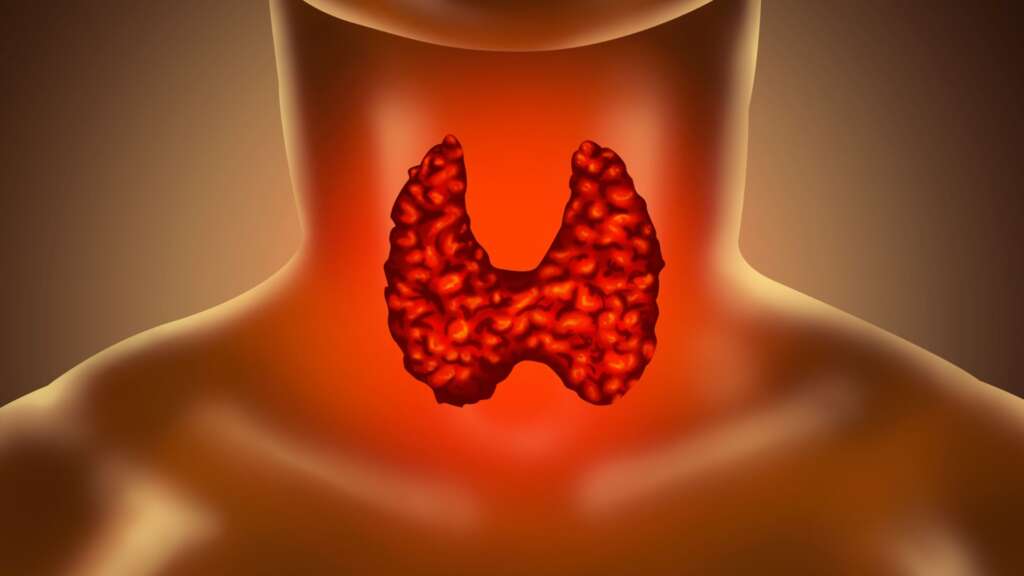
The thyroid gland is a small butterfly-shaped organ in the lower front of the neck. The thyroid gland produces thyroid hormones. Thyroid hormones aid the body’s energy usage and keep our brain and other vital organs warm. Individuals who have a lesser amount of thyroid hormones in their blood are hypothyroid. Hypothyroidism occurs when the thyroid organ cannot produce enough thyroid hormones to maintain the body’s functioning.
What Are the Causes of Hypothyroidism?
Your thyroid can be underactive and not make enough thyroid hormones for multiple reasons.
The most common reasons include:
- Check TSH in 6 to 10 weeks after a thyroxine dose change.
- TSH should be checked if you take any medicine that interferes with your body’s ability to use thyroxine. Talk to your doctor if you are pregnant or are planning a pregnancy.
- The main goal of your treatment is to get and maintain TSH in the normal range.
- Once you have been prescribed a thyroxine dose, you can return for TSH tests about once a year.
What Are The Symptoms of Hypothyroidism?
When thyroid hormone levels are low, the body’s cells cannot get enough fuel, and different processes in the body start slowing down. As a result, you may experience fatigue, cold intolerance, constipation, or weight gain. Some people may also have dry hair and skin, muscle cramps, and depression. Others might not have any symptoms at all. However, if your thyroid gland is underactive, your doctor may be able to find out about it during a routine screening that your thyroid gland is underactive.
How Will Your Doctor Diagnose Hypothyroidism?
Your doctor will take a detailed history of your health and look for changes in your body, such as dry skin, swelling of the body, slower reflexes, and a slower heart rate during your physical examination.
Your doctor will do periodic TSH screening tests if you have risk factors for hypothyroidism that commonly include your biological sex being female, if you are getting older if you are white or have type 1 diabetes, Down syndrome, a family history of thyroid disease, goiter, previous hyperthyroidism, and a history of radiation in the head and neck area.
How is Hypothyroidism Treated?
Treating hypothyroidism involves taking a pill daily to replace the thyroid hormone in your body. Levothyroxine, commonly known as Synthroid, is the most commonly prescribed thyroid hormone replacement drug.
Your doctor may start with a small dose based on your need and comorbidities. It is essential to take this medicine with a lot of water and space it between meals (1 hour before or 4 hours after a meal). It is best to avoid taking Synthroid with vitamin supplements that have iron, calcium, or soy as they decrease the drug’s optimal absorption in your body. Your doctor will also order blood tests, which might require several doctor visits to determine your correct dosage. Do note that the benefits of the treatment may not be visible for a month or longer, but this does not mean the treatment is not working.
Hypothyroidism cannot be cured completely. Most people supplement their thyroid hormone with pills for the remainder of their lives; however, hypothyroidism can be controlled in almost every patient. It is best to talk to your doctor to ascertain which options work best for you. Some patients do not feel better after taking Levothyroxine. In this case, your doctor could add T3 (Cytomel) along with Levothyroxine which may be more beneficial.
Diet and Your Thyroid Gland
Diet plays an essential role in managing thyroid disease. Goitrogens are substances that interfere with thyroid hormone production. Goitrogens are present in everyday food items we eat. They are found in broccoli, cabbage, cauliflower, spinach, kale, and Brussel sprouts. Other fruits and vegetables like sweet potatoes, cassava, peaches, and strawberries also have goitrogens. Since these foods are also very nutritious, the benefits of eating them outweigh the risks. Instead of avoiding them, we recommend incorporating high-fiber foods, fruits and vegetables, coconut oil, and probiotics into your dietary plan. Moderation is key in eating food items with goitrogens to maintain your diet and thyroid health.
Things to Consider After Treatment for Thyroid Disease?
Most thyroid problems are lifelong, so supplementary hormones are essential to managing your thyroid health. You will feel well when your thyroid hormone is at the right level. However, this does not mean you stop taking the extra hormones since your gland cannot make enough. You may be able to stop after recovering from thyroid inflammation after pregnancy or thyroiditis after a viral infection, however, you will need to consult your doctor to ensure the underlying condition has been resolved. It is also imperative to follow up with your doctor and monitor your TSH levels regularly.
- Check TSH in 6 to 10 weeks after a thyroxine dose change.
- TSH should be checked if you take any medicine that interferes with your body’s ability to use thyroxine. Talk to your doctor if you are pregnant or are planning a pregnancy.
- The main goal of your treatment is to get and maintain TSH in the normal range.
- Once you have been prescribed a thyroxine dose, you can return for TSH tests about once a year.
When To See Your Doctor?
- If your symptoms get worse or return.
- You want to change the dosage for your Levothyroxine or brand.
- You have gained or lost a lot of weight (at least a 10 pounds difference should raise concern).
- You have started or stopped taking a drug that can interfere with absorbing thyroxine (such as certain antacids, calcium supplements, medications containing estrogen, and iron tablets), or you have changed your dose of such drugs.
- You have not been taking all your thyroxine pills regularly.
- You want to stop your thyroxine treatment and medication.
Please note that rather than discontinuing taking your pills, you might want to ask your doctor to lower your dose rather than stop taking your pills completely. If your TSH increases with a smaller dose, you will have to continue treatment and medication.
Questions For Your Doctor
- How often do I have to take a thyroid function test?
- Do I have to take thyroid replacement therapy throughout my life?
- How often should I take the medication, and at what times?
- What if I forget to take my medicine and remember later? Can I still have them?
- What side effects could I have from the medicine?
- What if I have side effects from the thyroid medication? How do I manage them?
- Will my thyroid medicine interfere with any of my other drugs?
- If I don’t take thyroid hormone replacement medicine, what will happen?
- What are the differences between generic and brand-name hormone replacement options?
- If I am pregnant or planning to become pregnant, do I need to change my thyroid dosage?
- Will I need a referral for an endocrinologist to get treatment for hypothyroidism?
References
- American College of Physicians. (2020). What should you know about hypothyroidism. Annals of Internal Medicine. https://www.acpjournals.org/pb-assets/pdf/patient-info/itc-hypothyroidism-2020-patient-information-1594069018863.pdf
- American Thyroid Association. (2016). Hypothyroidism. https://www.thyroid.org/hypothyroidism/
- Bajaj, J. K. (2016). Various possible toxicants involved in thyroid dysfunction: A review. Journal of Clinical and Diagnostic Research, 10(1). https://doi.org/10.7860/jcdr/2016/15195.7092
- Parmet, S. (2003). Hypothyroidism. Journal of the American Medical Association, 290(22), 3024. https://doi.org/10.1001/jama.290.22.2914
- U.S. Preventive Services Task Force. (2015). Screening for thyroid dysfunction: Recommendation statement. American Family Physician, 91(11), 790A790F. https://www.aafp.org/pubs/afp/issues/2015/0601/od1.html