Understanding Lupus – SLE Flare-Up Prevention, Causes, Symptoms, and Treatment


What is SLE or Lupus? Systemic Lupus Erythematosus Definition
Systemic lupus erythematosus (lupus) is a chronic autoimmune disease needing SLE flare-up prevention. This means that your immune system cannot distinguish between healthy tissue and foreign invaders and attacks healthy cells and tissues by mistake. The inflammation may affect the skin, joints, heart, lungs, kidneys, circulating blood cells, brain, and other organs and, in some cases, permanent tissue damage.
Systemic Lupus Erythematosus Symptoms(Lupus Symptoms)
Almost every organ in your body is at risk for lupus. SLE symptoms typically vary, so you don’t always experience them. Symptoms may come and go. When you are having worsening symptoms, it is called a flare. Flares can range from mild to severe and are unpredictable. Symptoms of lupus include:
Systemic Lupus Erythematosus Causes
It is uncertain what causes lupus, and scientists are actively looking at potential risk factors. It is caused by a complicated autoimmune disease, where the body’s immune system targets the patient’s tissues and organs. Research studies have shown that specific genes contribute to the onset of SLE, but it still is to be known or determined. Systemic lupus erythematosus(SLE) may be brought on by exposure to specific environmental variables (common lupus flare triggers), including virus infections, sunshine, some drugs, and smoking.
Who is at Risk for Systemic Lupus Erythematosus? (SLE Risk Factors)
People of all ages, including children, are susceptible to SLE. However, the most significant risk of getting SLE. is among women of reproductive age (15 to 44). Women are affected more than males (9:1), regardless of age. Compared to white women, SLE affects African American women two to three times more frequently. Additionally, it affects Hispanic, Asian, and Native American women more frequently. African American or Hispanic women are more likely to have severe SLE.
How is Systemic Lupus Erythematosus Diagnosed?
As a result of its many irregular symptoms and ability to resemble those of other diseases or disorders, SLE can be challenging to diagnose. A single blood test cannot currently diagnose lupus. Before SLE is identified, your doctor may need to rule out other potential reasons causing the symptoms.
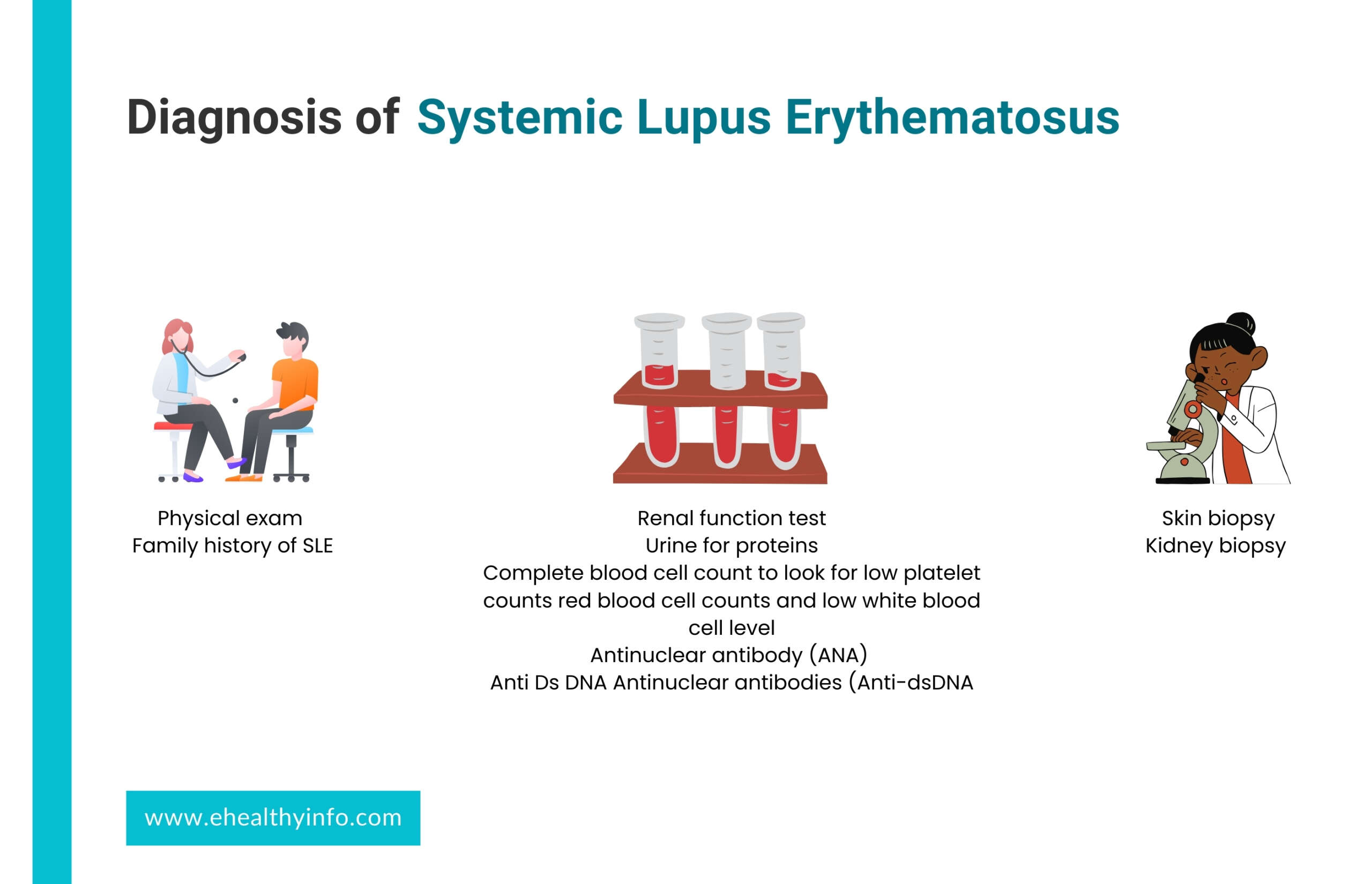
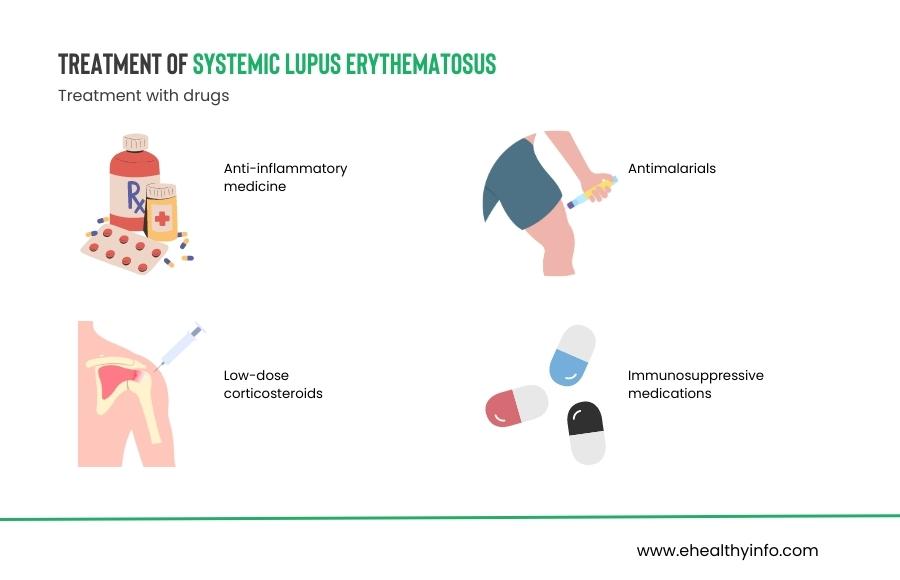
- Your doctor may ask about your medical history and symptoms and look at your older medical records. Your doctor will do a complete physical exam and might ask for a family history of SLE.
- Your doctor will order a basic metabolic panel to look for renal function, urine for proteins, or Complete blood counts to check for low platelet counts, red blood cell counts, and low white blood cell levels, which can happen if you have SLE.
- Your doctor may order blood tests like Antinuclear antibody (ANA) and Anti Ds DNA Antinuclear antibodies (ANA), a sensitive ANA test for lupus. Almost all people with SLE have a positive ANA. However, having a positive ANA does not mean having lupus since healthy people can have a positive ANA.
- Your doctor will order Antiphospholipid antibodies, anti-smith, and anti-double-strand DNA antibodies, to determine if you have SLE or other autoimmune conditions.
- Tissue diagnosis with skin and kidney biopsy can be obtained by extracting a tiny tissue sample to examine under a microscope.
Systemic Lupus Erythematosus Treatment(Lupus Treatments)
Can lupus be cured? Lupus has no cure, but medicines and lifestyle changes can help control it. Managing symptoms is the aim of therapy.
People with SLE often need a primary care doctor and a rheumatologist (a doctor specializing in joint and muscle diseases). You should see other specialists depending on how lupus affects your body. For example, you would see a cardiologist if lupus damages your heart or blood vessels or a nephrologist if you have lupus nephritis.
Your primary care doctor will make a personalized treatment plan for you. You and your doctor should review the plan frequently to ensure it is effective. New symptoms should be immediately reported to your doctor so that, if necessary, modify the treatment plan.
SLE Treatment With Drugs
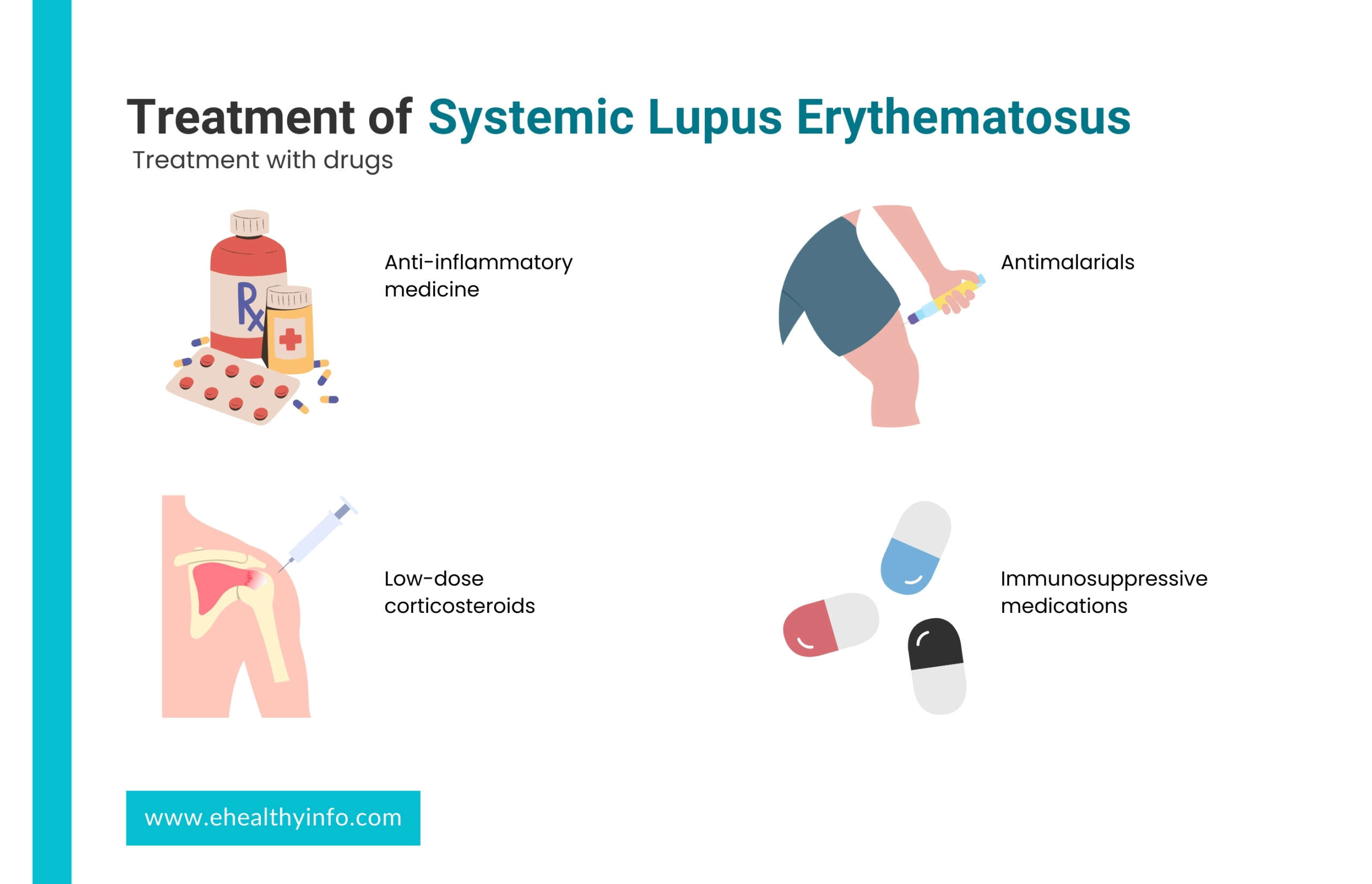
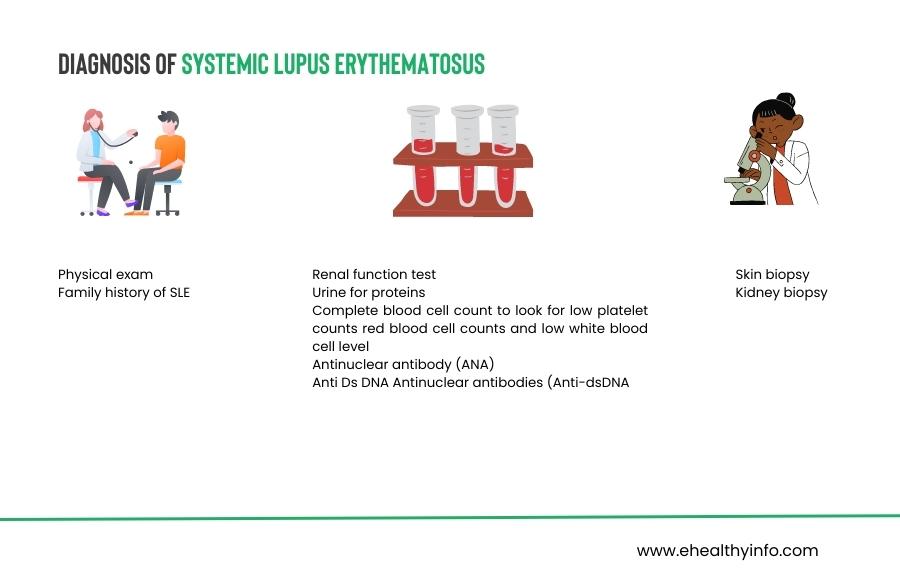
- Anti-inflammatory medicine can be used to treat fever or discomfort.
- Antimalarials (like hydroxychloroquine for lupus) have also been proven effective in treating lupus-related tiredness, joint pain, skin rashes, and lung inflammation. These medicines could also stop flares from happening again, aiding SLE flare-up prevention.
- Low-dose corticosteroids assist in reducing inflammation.
- Immunosuppressive medications that suppress immune system activity are the primary of SLE treatment, including hydroxychloroquine and methotrexate.
You might also need medications for lupus-related conditions like high cholesterol, high blood pressure, or infections. Treatments not part of routine care are referred to as alternative treatments. Currently, no evidence supports the use of alternative medicine to treat SLE. Some supplementary or alternative methods will help you manage or even lessen some of the stress that comes with a chronic condition. It is best to consult your doctor before attempting alternative therapies.
SLE Flare-Up Prevention – How Can We Cope With Symptoms?
Firstly, for SLE flare-up prevention, identify the symptoms of a flare-up. Spotting the warning signs of a flare can help you prevent the flare or make the symptoms less severe. You and your doctor can take steps to lessen or avoid it.
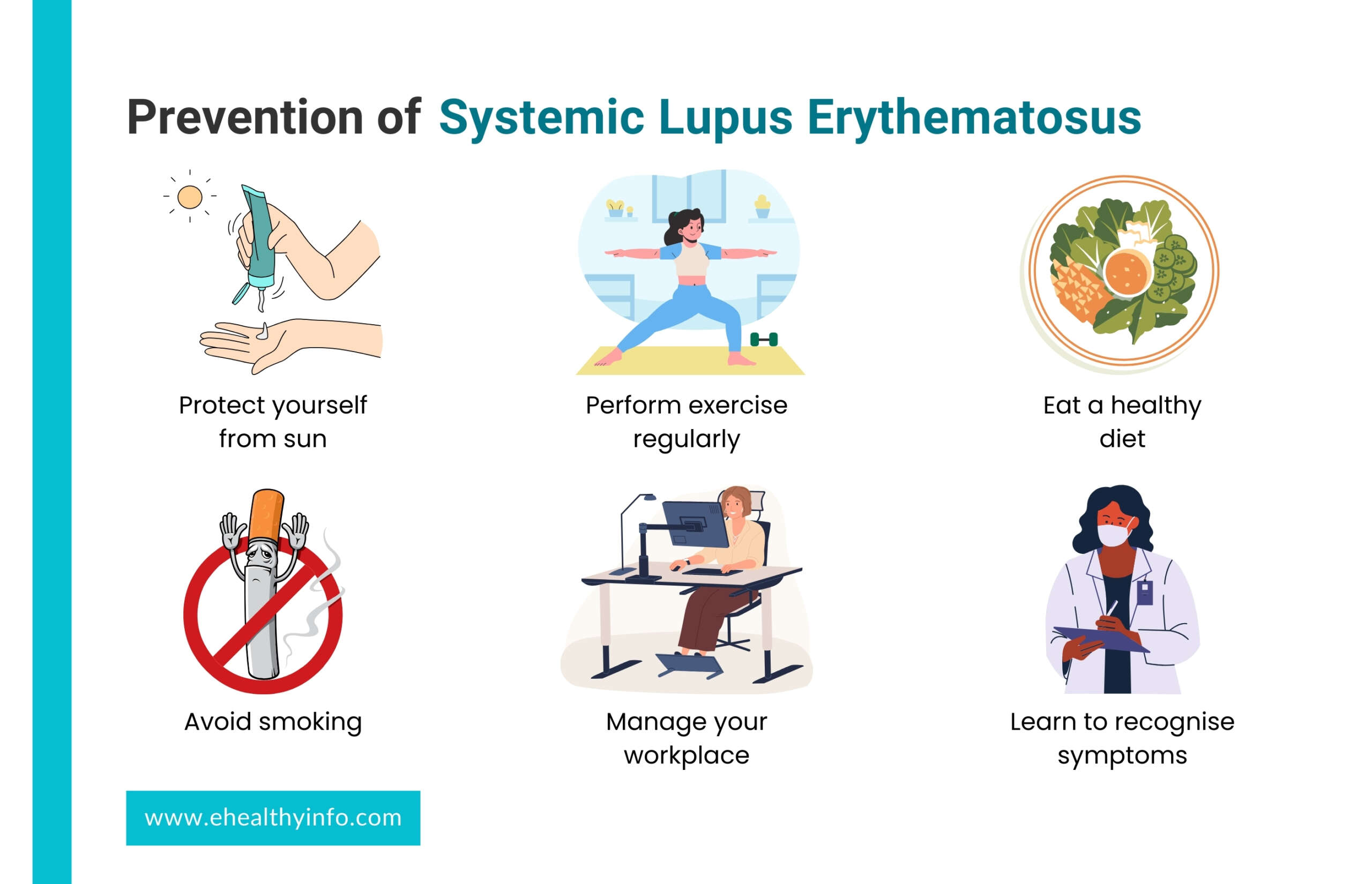
- Protect yourself from the sun-it is important for SLE flare-up prevention since it can occasionally induce a flare. Wear protective clothing like a hat or long sleeves when you go outside, and apply sunscreen when outside the house.
- Exercise regularly, find ways to relax through deep breathing, reading, or meditation, and reduce tension. Finding ways to cope with the stress of having SLE is also essential for SLE flare-up prevention. Keep in mind that stress might cause an attack.
- Consume a nutritious, balanced diet of whole grains, fruits, and vegetables.
- Quit smoking.
- Make any necessary adjustments to your workplace so that you can try to keep working.
- Learn to recognize the symptoms of a flare-up so that you and your doctor can take steps to lessen or prevent it. The lupus flare warning signs may include increased tiredness, joint swelling, pain, rash, fever, abdominal pain, or a headache.
What Consequences Might There Be for Patients With SLE?
SLE can affect a person’s short- and long-term life. SLE can affect one’s physical, mental, and social functioning. Active illness, organ failure (such as kidney failure), infection, or cardiovascular disease from accelerated atherosclerosis are the primary causes of early mortality linked to SLE.
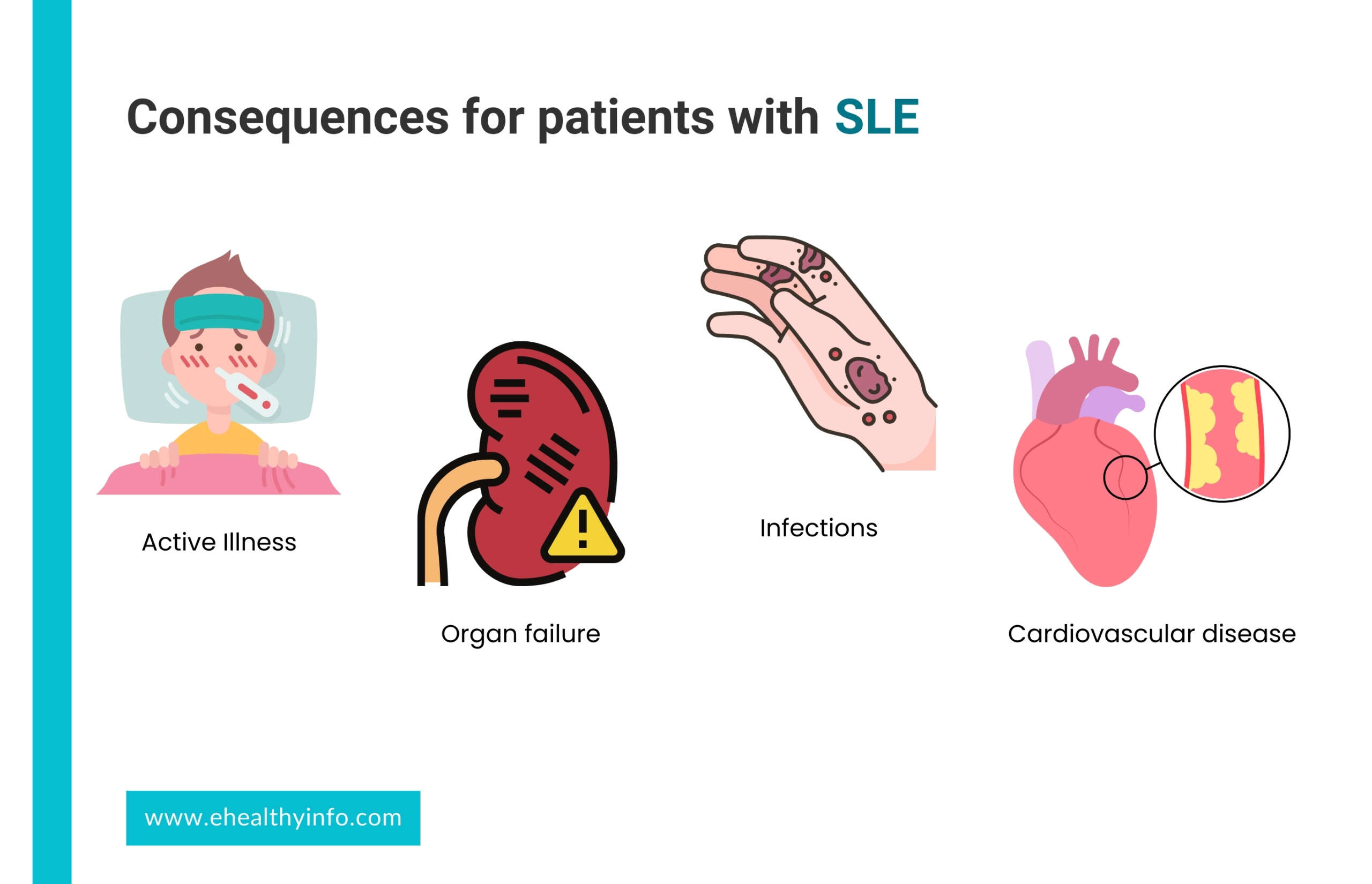
The devastating consequences of SLE may be worsened by lack of access to care, delayed diagnosis, ineffective medications, and poor adherence to prescribed treatment plans, leading to additional problems and an increased risk of death. Early detection, successful treatment, and SLE flare-up prevention can lessen the adverse effects of SLE and increase the likelihood of improved function and quality of life.
Pregnancy and Contraception for Women With Lupus
Most women who have it can give birth to healthy babies If their lupus is under control. Consult your doctor if you consider getting pregnant to ensure you are as healthy as possible before giving birth. In particular, close monitoring during pregnancy is imperative if you have low platelets, antiphospholipid antibodies, anti-SSA/Ro antibodies, high blood pressure, or lung, heart, or renal issues.
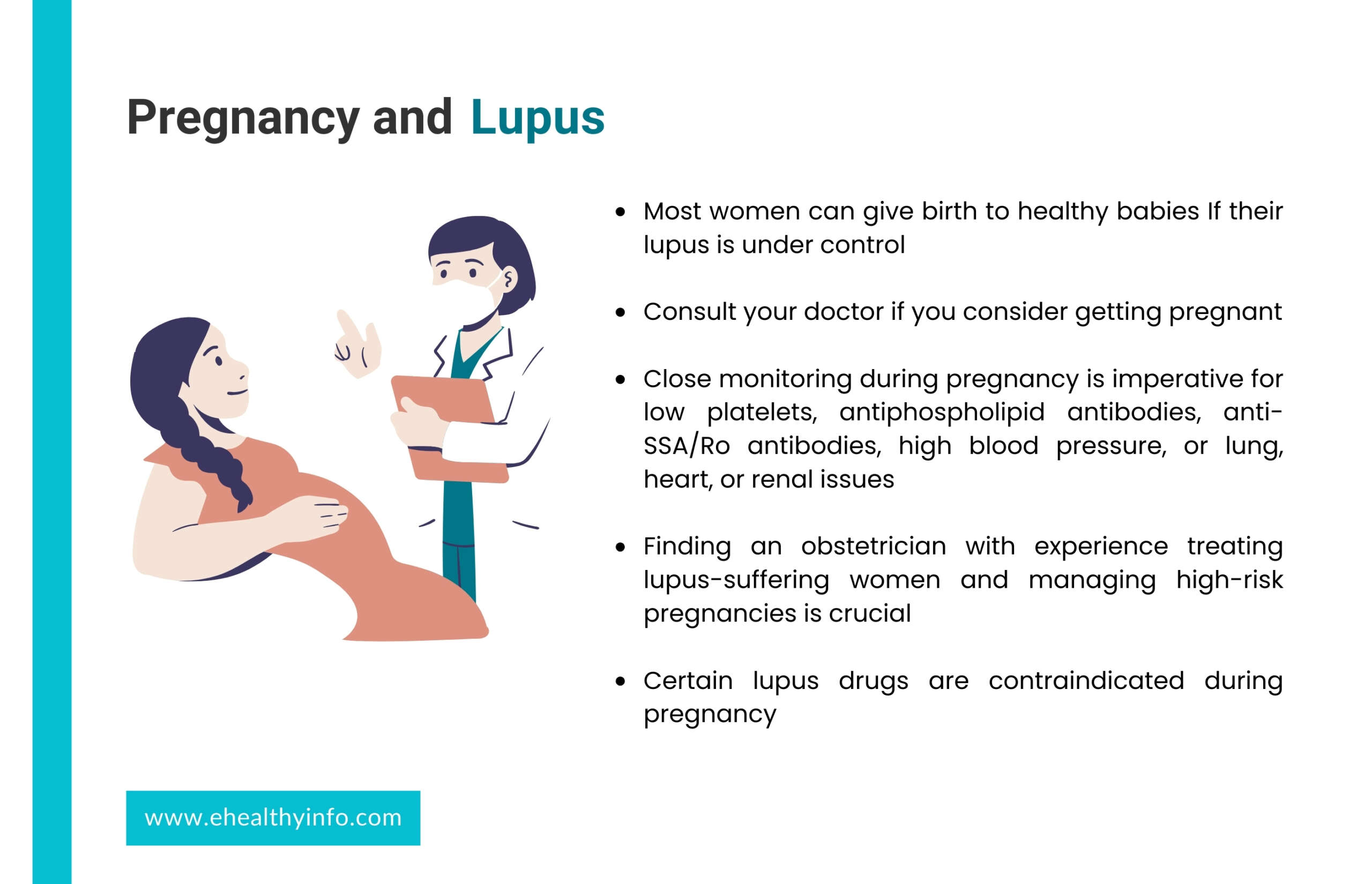
Finding an obstetrician with experience treating lupus-suffering women and managing high-risk pregnancies is crucial. Certain lupus drugs are contraindicated during pregnancy. To ensure that all of your SLE drugs are safe during pregnancy, discussing them with your doctors before becoming pregnant is crucial. Birth control pills do not increase the incidence of severe flares among SLE patients; however, estrogen-containing drugs are not advised for those with antiphospholipid antibodies. Before beginning oral contraceptives, discuss your antibody test results with your doctor.
Frequently Asked Questions
What triggers a lupus flare?
Sun exposure can occasionally induce a flare, and stress might cause an attack. Virus infections, some drugs, and smoking are also linked to SLE.
Is there a blood test for lupus?
A single blood test cannot diagnose lupus. Doctors combine ANA, anti-dsDNA, anti-Smith, and antiphospholipid antibody tests with your history, a physical exam, and sometimes a biopsy.
Can you get pregnant with lupus?
Most women with lupus can give birth to healthy babies if their lupus is under control, with close monitoring and a review of medications before pregnancy.
What are the early warning signs of a lupus flare?
Increased tiredness, joint swelling, pain, rash, fever, abdominal pain, or a headache can signal a flare is starting.
Questions For Your Doctor
- What treatment options for SLE are good for me, and how effectively are they managing the symptoms?
- What lifestyle changes can I make to improve their quality of life and manage symptoms?
- Are any new treatments or therapies being developed for SLE, and if so, how promising are they?
- What kind of follow-up care do I need for SLE flare-up prevention?
- Are any support groups or resources available for patients with SLE and their families?
References
- Centers for Disease Control and Prevention. Symptoms of lupus. Updated May 15, 2024. Accessed October 12, 2026. https://www.cdc.gov/lupus/signs-symptoms/index.html
- National Institute of Arthritis and Musculoskeletal and Skin Diseases. Systemic lupus erythematosus (lupus): diagnosis, treatment, and steps to take. National Institutes of Health. Accessed October 12, 2026. https://www.niams.nih.gov/health-topics/lupus/diagnosis-treatment-and-steps-to-take
- MedlinePlus Genetics. Systemic lupus erythematosus. National Library of Medicine. Updated April 27, 2022. Accessed October 12, 2026. https://medlineplus.gov/genetics/condition/systemic-lupus-erythematosus/