
Blood Sugar Spikes After Eating? The Diabetes Mistakes You Don’t See!
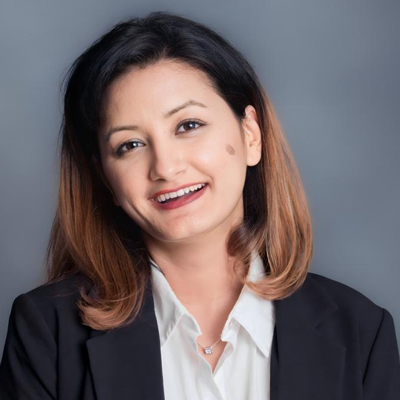
Sugar, honey, carbs, insulin, Ozempic: few conditions attract as many myths as diabetes. In this episode of Myths to Medicine, host Ashma Baruwal sits down with Dr. Pratikshya Thapa, an endocrinologist and assistant professor of medicine at the University of South Florida. Together they unpack why diabetes is rising in young people, bust five common myths, and look at where diabetes care is headed next.
In This Episode
- Why type 2 diabetes is climbing in young people: rates under age 20 have roughly doubled in the US over the last decade, and about one in three teens is now prediabetic
- The main drivers Dr. Thapa sees: sugary and processed food, more screen time, less movement, family genetics, and a mother’s gestational diabetes
- Insulin resistance explained simply — insulin as a “key,” cells that stop opening the door, and how the pancreas eventually wears out
- “TOFI” (thin outside, fat inside): why people at a healthy weight can still develop diabetes because of visceral fat around the organs
- Why honey and brown sugar are no better than white sugar for blood sugar, even though honey has a lower glycemic index
- Dr. Thapa’s everyday carb targets for her patients with diabetes: about 20 grams at breakfast and 45–60 grams at lunch and dinner
- Why needing insulin isn’t a personal failure, and what the long-running UK Prospective Diabetes Study showed
- How continuous glucose monitors (CGMs) work, why their readings lag a finger stick by 5–10 minutes, and whether people with prediabetes should try one
- Ozempic, Mounjaro, and what’s coming next: CagriSema, retatrutide, and oral options like Rybelsus and orforglipron. Dr. Thapa also explains why she prefers the word “remission” over “cure”
- Who should get screened for diabetes, and the lifestyle habits shown to help prevent it
“Needing insulin is not a failure. You did nothing wrong. It’s just biology.”
About the Guest
Dr. Pratikshya Thapa is an endocrinologist and assistant professor of medicine at the University of South Florida. She serves as medical director of the adult diabetes program at the USF Diabetes and Endocrinology Center, where she treats patients across the full spectrum of type 1 and type 2 diabetes care.
