

Drug Allergies & Penicillin Skin Test Results – Symptoms, Causes, Diagnosis & Treatment


What is Drug Allergy?
Medications are one of our most powerful weapons against germs and diseases. But sometimes when people take medications, they can have an allergic reaction known as a drug allergy, which penicillin skin test results can confirm. As with other allergic reactions, these symptoms can occur when our body’s immune system becomes sensitized to a substance in the medication, perceives it as a foreign invader, and releases chemicals to defend against it. People with drug allergies may experience symptoms regardless of whether their medicine comes in liquid, pill, or injectable form. The chances of developing an allergy are higher when we take the medication frequently or when it is rubbed on the skin or given by injection, rather than being taken by mouth.
Symptoms of Drug Allergy
Sometimes people mistake the side effects of a drug for an allergy. Nausea, vomiting, diarrhea, and headaches are usually side effects. Everyone has different abilities to tolerate a drug’s side effects. The most frequent drug allergy symptoms are;
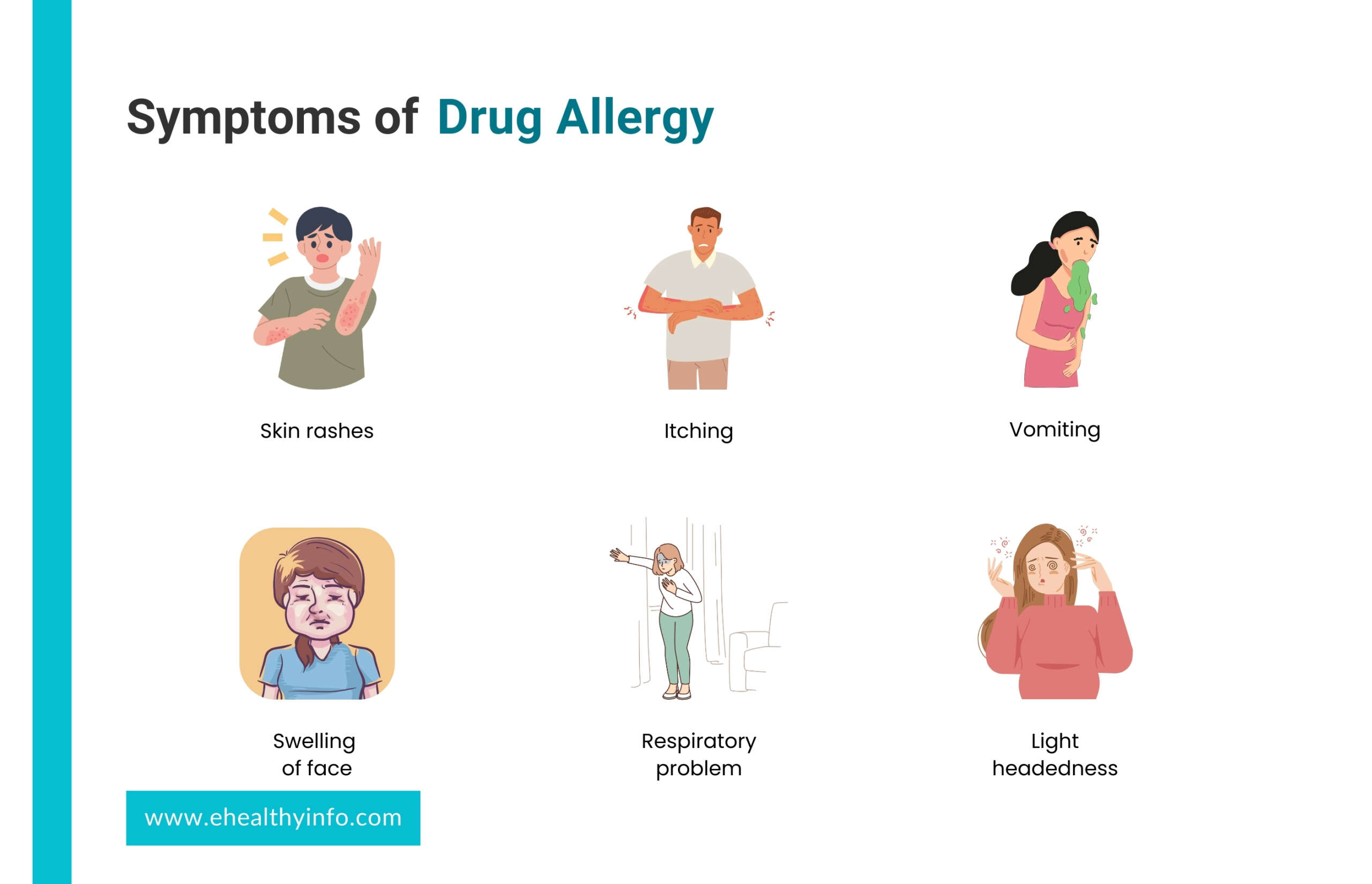
- Skin rashes particularly raised itchy rash
- Itching
- Respiratory problems
- Swelling such as in the face
- Vomiting
- Feeling dizzy or light-headed
- Anaphylaxis: Anaphylaxis is a severe allergic response that often involves swelling, raised itchy rashes, lowered blood pressure, and in severe cases if an anaphylactic shock isn’t treated immediately, it can be fatal.
Which Medications Can Cause Drug Allergy?
Certain medications more likely to produce allergic reactions. The most common ones are :
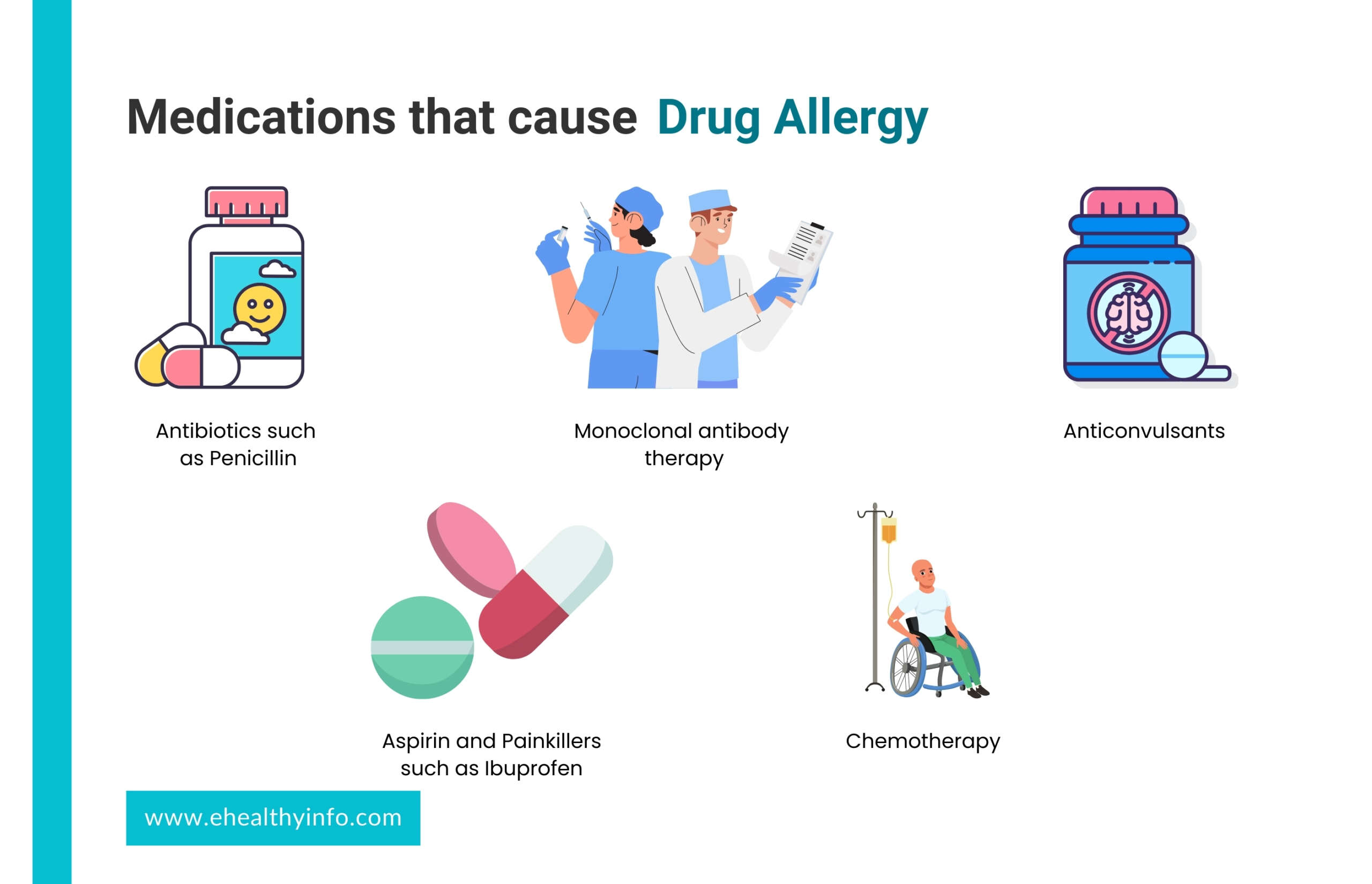
- Antibiotics such as Penicillin(An allergic reaction is the most common type of antibiotic-associated adverse drug event, so minimizing unnecessary antibiotic use is the best way to reduce the risk of adverse drug events from antibiotics)
- Aspirin and Painkillers such as Ibuprofen
- Anticonvulsants
- Monoclonal antibody therapy
- Chemotherapy
How is Drug Allergy Diagnosed?
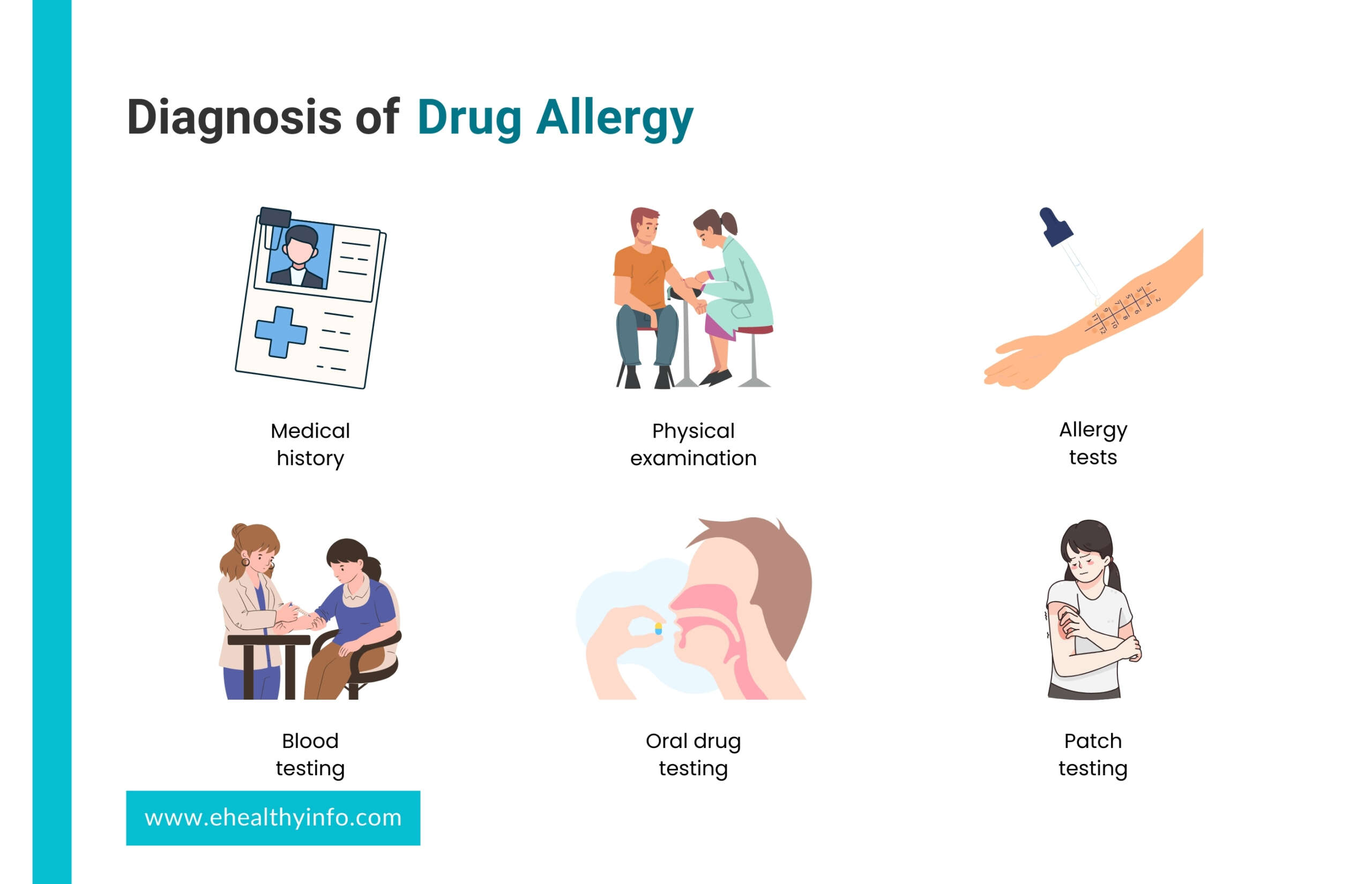
The diagnosis of a drug allergy typically involves a comprehensive evaluation of a person’s medical history, physical examination, and, in some cases, specific allergy tests. Your healthcare provider will start by taking a detailed medical history, including information about your symptoms when they started, and how long they lasted. They will also inquire about any medications you have been taking, including prescription drugs, over-the-counter medications, and supplements.
Your allergist will want to know the answers to these questions:
- What drug do you suspect caused your reaction?
- When did you start taking it, and have you stopped taking it?
- How long did you notice symptoms after taking the drug, and what did you experience?
- How long did your symptoms last, and what did you do to relieve them?
- What other medications, both prescription and over-the-counter, do you take?
- Do you consume herbal medications or take vitamin or mineral supplements? If so, which ones?
- Did you have a reaction to any other drug? If you can, bring the suspected drug with you.
⇒ Your allergist will conduct a physical examination to assess any visible signs of an allergic reaction, such as skin rashes or hives. Depending on the information gathered from the medical history and physical examination, the healthcare provider may perform further evaluations, including:
- Skin testing: Skin tests can help identify immediate allergic reactions. They involve applying a small amount of the suspected drug or its components to your skin, usually through a tiny scratch or puncture. If you’re allergic to the substance, a localized allergic reaction, such as redness, swelling, or a small bump, may occur at the site.
- Blood tests: Blood tests, such as the enzyme-linked immunosorbent assay (ELISA) or radioallergosorbent test (RAST), can measure the levels of specific antibodies, such as immunoglobulin E (IgE), in your blood. Elevated IgE levels may suggest an allergic reaction.
- Patch testing: Patch testing is used to diagnose delayed-type allergic reactions, which typically occur 48-72 hours after exposure to a substance. Small amounts of the suspected drug or its components are applied to patches, which are then placed on your skin. The patches are usually left on for two days, and the healthcare provider will check for any reactions at the application sites.
- Oral drug challenge or provocation test: In some cases, if the diagnosis remains uncertain after the above tests, a supervised drug challenge or provocation test may be conducted. This involves taking a small, controlled dose of the suspected drug under close medical supervision to observe any allergic reactions.
Treatment and Management
- Ensure all your doctors know about your allergy and the symptoms you experienced.
- Ask about related drugs that you should avoid.
- Ask about alternatives to the drug that caused your allergic reaction.
- Wear an emergency medical alert bracelet or necklace that identifies your allergy.
- Anaphylaxis (for instance, when both swelling and difficulty in breathing, or vomiting and hives). If this occurs, seek emergency medical care immediately.
- If you are caring for someone with a severe reaction to a drug, tell the emergency care team what drug was taken, when it was taken, and what the dosage was.
- If your allergic reaction to a drug is not life-threatening, your allergist may give you the following:
1. An antihistamine to counteract the allergic reaction.
2. A nonsteroidal anti-inflammatory drug, such as ibuprofen or aspirin, or a corticosteroid to reduce inflammation/swelling.
- Drug desensitization – When no alternative is available and if the medication is essential, a desensitization procedure to the medication may be recommended. This involves gradually introducing the medication in small doses until the therapeutic dose is achieved.
What is Penicillin Allergy?
Penicillin allergy is an adverse immune response to penicillin or other antibiotics in the penicillin family. Penicillin is one of the most commonly used antibiotics to treat various bacterial infections. However, some individuals develop an allergic reaction when exposed to penicillin or related drugs. Penicillin allergy occurs when the immune system mistakenly identifies penicillin as a harmful substance, triggering an allergic response. The immune system produces antibodies, particularly immunoglobulin E (IgE), in response to the drug. The next time the person is exposed to penicillin, these antibodies signal the immune system to release chemicals like histamine, causing allergy symptoms. Anyone who has been told that they are penicillin allergic but who hasn’t been tested by an allergist should be tested. An allergist will use penicillin skin test results to determine if you’re truly allergic to penicillin and determine your treatment options. You’ll be able to use safer medications, often more effective and less expensive.
Common Penicillin Allergy Symptoms
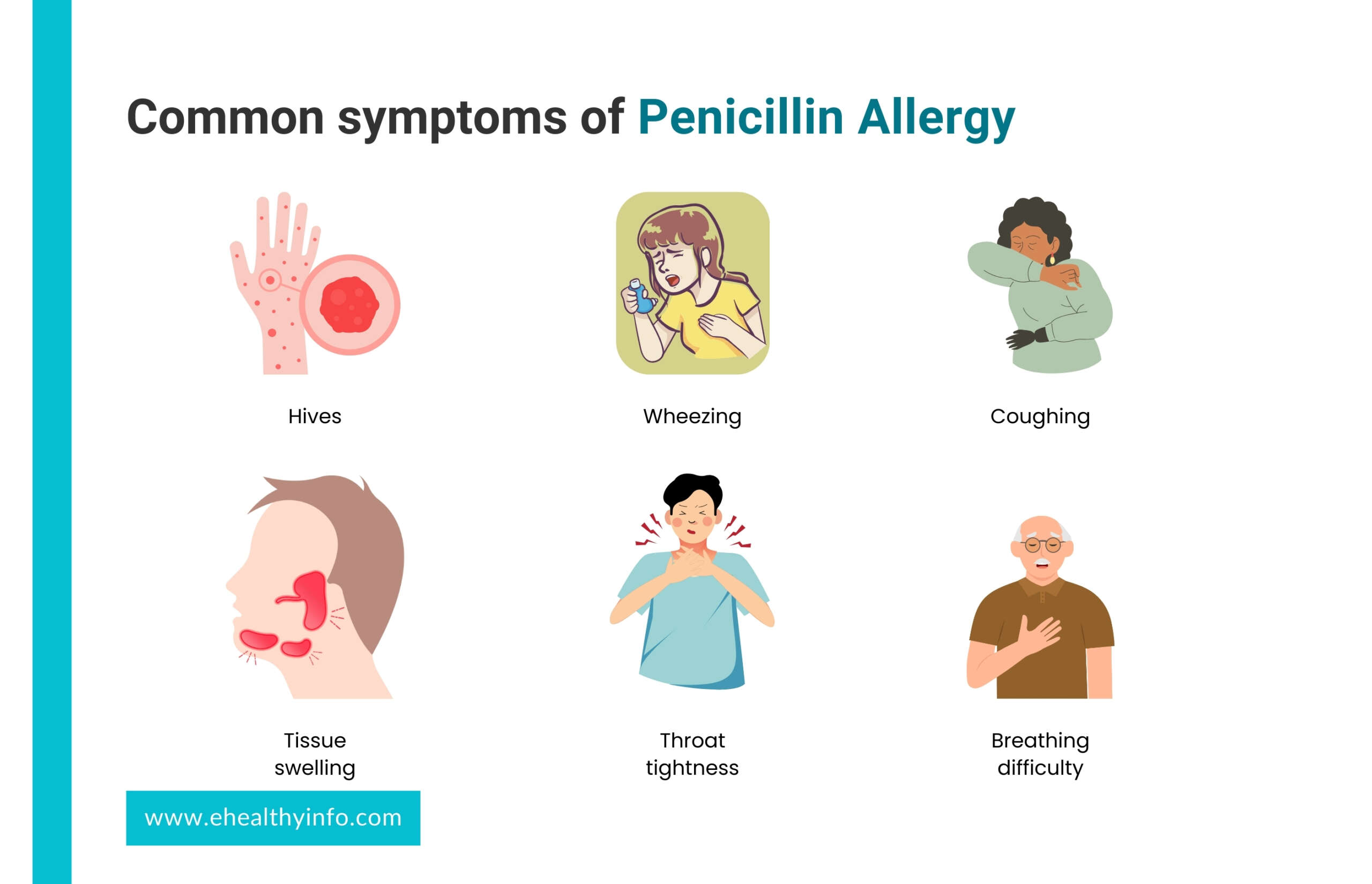
- Hives (raised, extremely itchy spots that come and go over hours)
- Tissue swelling under the skin, typically around the face (also known as angioedema)
- Throat tightness
- Wheezing
- Coughing
- Difficulty in breathing
- Anaphylaxis
Penicillin Allergy Testing and Diagnosis
Allergists administer skin tests to determine if a person is or remains allergic to the medication. These tests are conducted in an office or a hospital setting. It typically takes about two to three hours, including the time needed to read penicillin skin test results. Steps of a penicillin skin test:
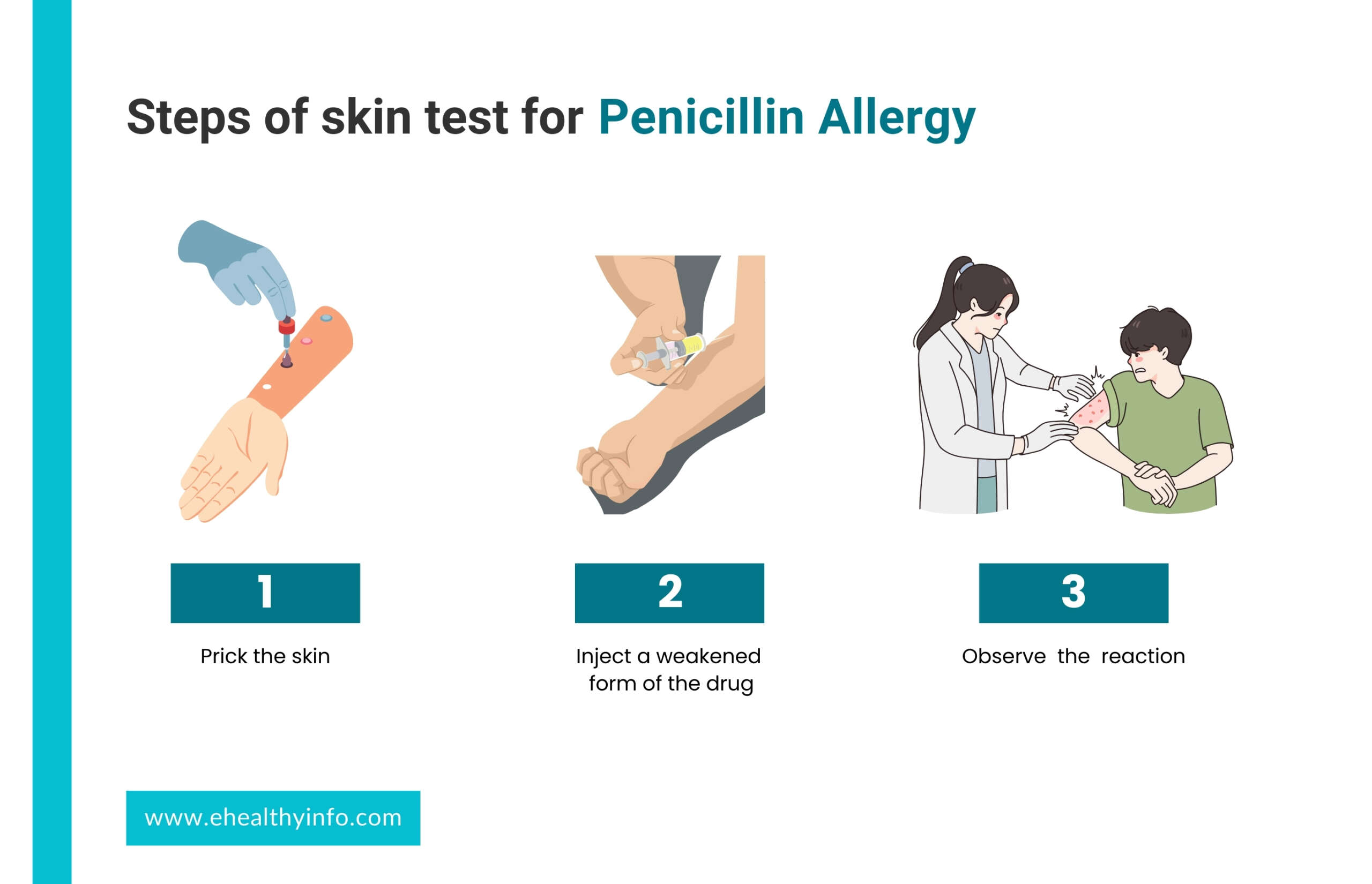
- Prick the skin
- Inject a weakened form of the drug
- Observe the reaction
Penicillin Skin Test Results
Negative penicillin skin test results: They indicate a low risk for an immediate acute reaction to the medication. The allergist might then give these individuals a single full-strength oral dose to confirm the absence of a penicillin allergy.
Positive penicillin skin test results: Avoid using penicillin and be treated with a different antibiotic. If penicillin is recommended, people, in some cases, can undergo penicillin desensitization to enable them to receive the medication in a controlled manner under the care of an allergist.
Questions For Your Doctor
- How long does it take to have an allergic reaction to a drug?
- Are drug allergy symptoms different from other allergy symptoms?
- What is the treatment for drug allergies?
- What are the symptoms of a penicillin allergy?
- What do my penicillin skin test results mean?
- How long does a penicillin skin test take?
- If I have a penicillin allergy, what antibiotics can I take instead?
- What are the most common drug allergies?
- I had a penicillin allergy as a child. Can you outgrow a penicillin allergy?
- Is desensitization the same as no longer being allergic to a drug?
Conclusion
Drug allergies are often confused with side effects, so an accurate diagnosis matters. If you have been told you are penicillin allergic but were never tested, penicillin skin test results from an allergist can open the door to safer, often more effective and less expensive medications.
References
- https://www.aaaai.org/conditions-treatments/allergies/drug-allergy
- https://acaai.org/allergies/allergic-conditions/drug-allergies/
- https://newsinhealth.nih.gov/2022/03/drug-allergies
- https://www.cdc.gov/medicationsafety/adverse-drug-events-specific-medicines.html


