
The Truth About Psyllium Husk: 5 Real Benefits and One Overhyped Claim

⏱ Quick Snapshot: 30-Second Read
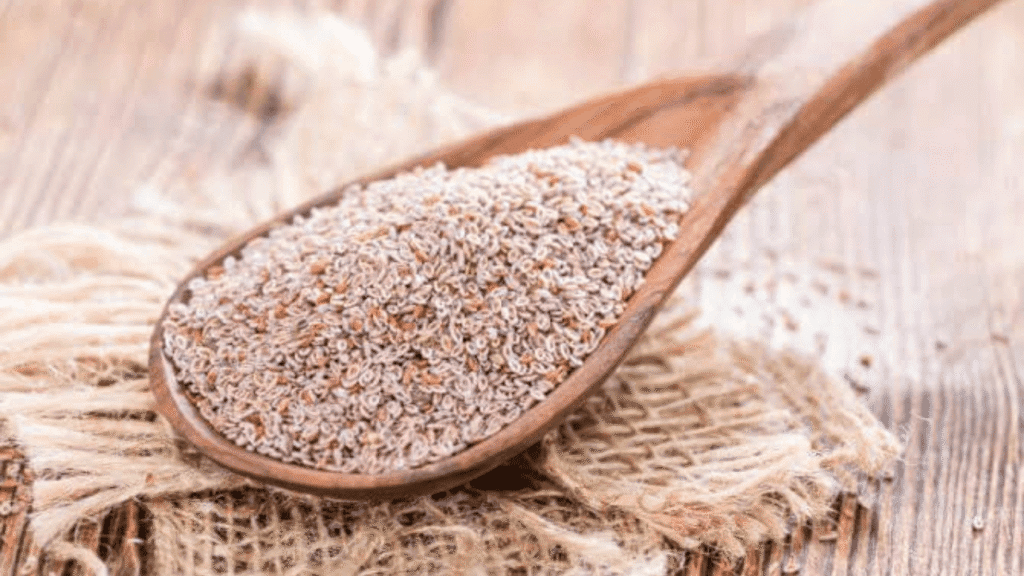
What Is It? Psyllium husk is plain soluble fiber from a plant seed. A big tub costs about ten dollars and lasts about a month.
Is It Nature’s Ozempic? No. The best research shows it barely moves the scale. Anyone claiming it burns fat like a weight-loss drug is not to be believed.
So Why Bother? Because it genuinely helps five things at once: steadying blood sugar, lowering cholesterol, creating a feeling of fullness, keeping you regular, and closing your daily fiber gap.
The One Rule Always take it with a big glass of water. Taken dry, it can swell and cause choking or an intestinal blockage.
When to See a Doctor Severe stomach pain, ongoing vomiting, or constipation that will not budge are signs to seek medical advice rather than add more fiber.
Introduction
The internet has started branding psyllium husk as “nature’s Ozempic.” So let’s be straight from the start: it isn’t. It won’t get rid of your belly fat, and no amount of fiber will turn a plant seed into a weight-loss drug.
In fact, the largest independent review of research pooled 22 separate trials and found that the effect of psyllium husk on body weight was essentially zero.
And yet, a tub of it sits on plenty of kitchen counters, and that’s for good reason. Here are five things psyllium actually does, and each one is backed by real science. So let’s get into it.
What Can Psyllium Husk Really Do?
1. It Helps Keep Your Blood Sugar Steady
The moment psyllium hits water, it turns into a thick gel. This gel stays in your gut and slows how fast sugar from your food reaches your blood. So instead of a sharp spike after a meal, you get a slower and lower rise.
And the best part is, the worse your blood sugar control, the more it seems to help. For a healthy person, the effect is small. For someone with prediabetes, it’s bigger. For someone being treated for type 2 diabetes, it tends to be the most effective in controlling blood sugar spikes. That matters a lot in places like India and the US, where type 2 diabetes is so common.
2. It Helps Lower Your Cholesterol
This is the benefit with the strongest scientific proof behind it.
That same gel grabs onto bile acids in your gut and excretes them out of your body. To replace these acids, your liver has to make new ones, pulling cholesterol from the blood to make more bile acids. The result is a lower LDL level, the “bad” cholesterol.
This effect is so well established that psyllium carries an actual FDA health claim, at a dose of about 7 grams of soluble fiber a day. That’s extremely rare for a supplement, making psyllium one of the only ones worth actually consuming.
3. It Helps You Feel Full
As the fiber sits in your stomach, it slows down stomach emptying and keeps you full for longer. In studies where people took it before a meal, they tended to feel less hungry later on.
This is somewhat similar to how a drug like Ozempic works, just to a much lesser degree. Psyllium slightly reduces your appetite so you end up eating a little less than you usually would. Drugs like Ozempic almost shut down hunger signals entirely. Eating less reduces the calories you consume, which can contribute to gradual weight loss. The effect is not dramatic with psyllium, but it does help.
4. It Keeps You Regular
Psyllium, like other dietary fibers, increases gut motility, making bowel movements more regular. Constipation is one of the most common complaints, on its own or sometimes as a side effect of medications like Ozempic, Wegovy, or Mounjaro. Psyllium is one of the cheapest, gentlest ways to deal with that. And even if you’re not on any medication, it keeps things moving the way they should.
5. It Fills Your Daily Fiber Gap
There are a lot of goals in today’s dietary world: protein goals, calorie goals, but one of the most overlooked is dietary fiber. The daily fiber target is around 30 grams, and most of us get barely half of that.
One tablespoon of psyllium gives you roughly 7 grams of fiber, most of it in soluble form which is how your body actually wants it. It also feeds good bacteria in your gut,, steadies your blood sugar, and supports your cholesterol. If you’re already trying to eat better through whole, nutrient-dense foods, psyllium is a simple, low-effort way to close the fiber gap on any given day.
How to Use It Safely
Start small. Begin with around 3 to 4 grams a day for the first week. Jumping straight to a large dose usually means gas and bloating.
Build up gradually. Work toward about 5 to 10 grams once a day. Taking it with or right after a meal tends to work well.
Always use plenty of water. This is the most important rule and you cannot skip it. Psyllium swells fast, so always take it with a big, full glass of water. Taken dry or with too little liquid, it can clump and become a choking or blockage risk.
Space it from your medications. Keep psyllium about 2 to 3 hours away from other medicines, since the gel can interfere with how well some drugs are absorbed.
Note: If you have severe stomach pain, ongoing vomiting, or constipation that just won’t move, don’t keep adding fiber. Those can be signs of something more serious, and that’s a reason to see a doctor. Psyllium is for everyday maintenance, not red-flag symptoms.
The Honest Bottom Line
Psyllium husk is a natural, soluble fiber. To some extent it slows stomach emptying and helps you feel full, which can reduce food intake. But it is not a Mounjaro analog, and calling it nature’s Ozempic sets expectations it simply cannot meet.
What it does do is help with blood sugar, cholesterol, fullness, gut regularity and your daily fiber intake, all at once. Weight loss supplements and medications cost hundreds or thousands of dollars. A tub of psyllium costs about ten dollars. As a simple, low-cost daily habit backed by genuine science, psyllium easily earns its spot on the counter.
Frequently Asked Questions
Will psyllium husk help me lose weight?
Not directly. The best independent research shows little to no effect on body weight. It may help you eat a bit less by keeping you full, but it is not a weight-loss product.
When is the best time to take it?
With or just before a meal works well, especially if fullness or blood sugar is your goal. Whatever time you choose, always take it with a large glass of water.
Can I just eat more fruits and vegetables instead?
Yes, and that is a great goal. Whole foods bring fiber plus other nutrients. Psyllium is simply a cheap, convenient way to close the gap when your diet falls short of the roughly 30 grams a day most people need.
Is it safe to take every day?
For most people, yes. Daily use is fine and is how the cholesterol and regularity benefits show up over time. Start low, build up slowly, drink enough water, and check with your doctor if you have a gut condition or take other medications.
Can I take it with my diabetes or blood pressure medication?
Possibly, but keep psyllium 2 to 3 hours apart from other medicines, and talk to your doctor or pharmacist first, since fiber can affect how some drugs are absorbed.
Medical Disclaimer
Disclaimer: This article is for educational purposes only and is not a substitute for professional medical advice, diagnosis, or treatment. Never start, stop, or change a medication on your own, and always talk to a qualified healthcare professional about your own health, including before adding a new supplement.
References
- U.S. Food and Drug Administration. (n.d.). Authorized health claims that meet the significant scientific agreement (SSA) standard. https://www.fda.gov/food/nutrition-food-labeling-and-critical-foods/authorized-health-claims-meet-significant-scientific-agreement-ssa-standard
- U.S. Code of Federal Regulations. (n.d.). 21 CFR 101.81 — Health claims: Soluble fiber from certain foods and risk of coronary heart disease (CHD). https://www.ecfr.gov/current/title-21/chapter-I/subchapter-B/part-101/subpart-E/section-101.81
- Darooghegi Mofrad, M., Mozaffari, H., Mousavi, S. M., Sheikhi, A., & Milajerdi, A. (2020). The effects of psyllium supplementation on body weight, body mass index and waist circumference in adults: A systematic review and dose-response meta-analysis of randomized controlled trials. Critical Reviews in Food Science and Nutrition, 60(5), 859–872. https://doi.org/10.1080/10408398.2018.1553140
- Jovanovski, E., Yashpal, S., Komishon, A., Zurbau, A., Blanco Mejia, S., Ho, H. V. T., & Vuksan, V. (2018). Effect of psyllium (Plantago ovata) fiber on LDL cholesterol and alternative lipid targets: A systematic review and meta-analysis of randomized controlled trials. The American Journal of Clinical Nutrition, 108(5), 922–932. https://doi.org/10.1093/ajcn/nqy115
- Gibb, R. D., McRorie, J. W., Russell, D. A., Hasselblad, V., & D’Alessio, D. A. (2015). Psyllium fiber improves glycemic control proportional to loss of glycemic control: A meta-analysis of data in euglycemic subjects, patients at risk of type 2 diabetes mellitus, and patients being treated for type 2 diabetes mellitus. The American Journal of Clinical Nutrition, 102(6), 1604–1614. https://doi.org/10.3945/ajcn.115.106989
Sign Up to Our Newsletter
Be the first to know the latest health updates.


