

Risks of Ignoring Sleep Apnea – Why You Should Take It Seriously?

What is Sleep Apnea?
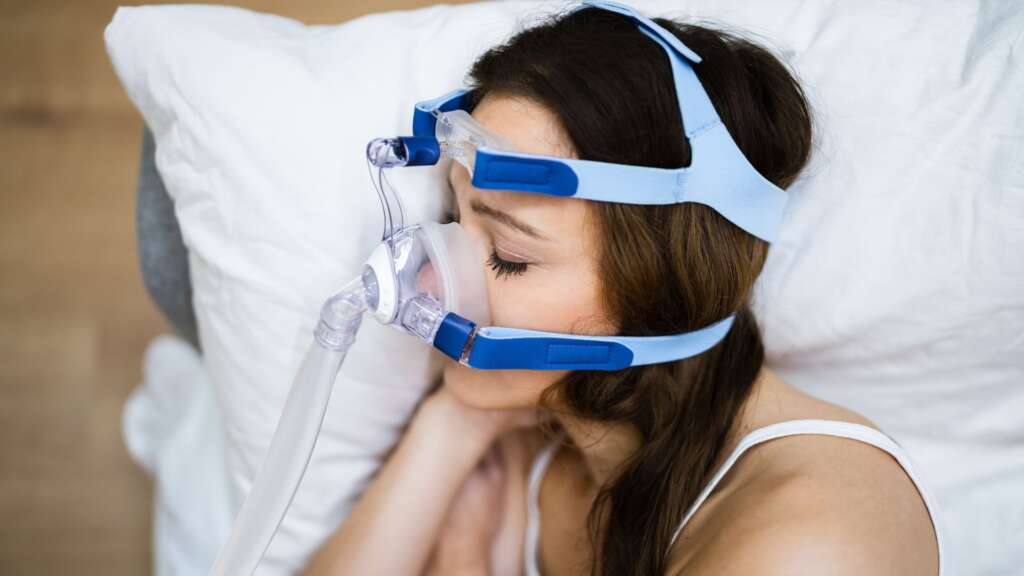
Sleep apnea is the repeated stopping and starting of your breathing while you sleep. Sleep apnea is a common illness that makes you breathe incredibly shallowly or stop altogether, and the risks of ignoring sleep apnea are serious. The time between breaths might range from a few seconds to many minutes. They could happen 30 or more times every hour. Your airway collapses or becomes clogged when you sleep as a result. A snort or choking noise signals the return of regular breathing. Can snoring be a sign of sleep apnea? Those who have sleep apnea frequently snore loudly. If your partner snores at night, not only can they easily disrupt your good night’s rest, but they might have a serious disease like sleep apnea, posing a risk to your health. But remember, not everyone who snores, suffers from sleep apnea.
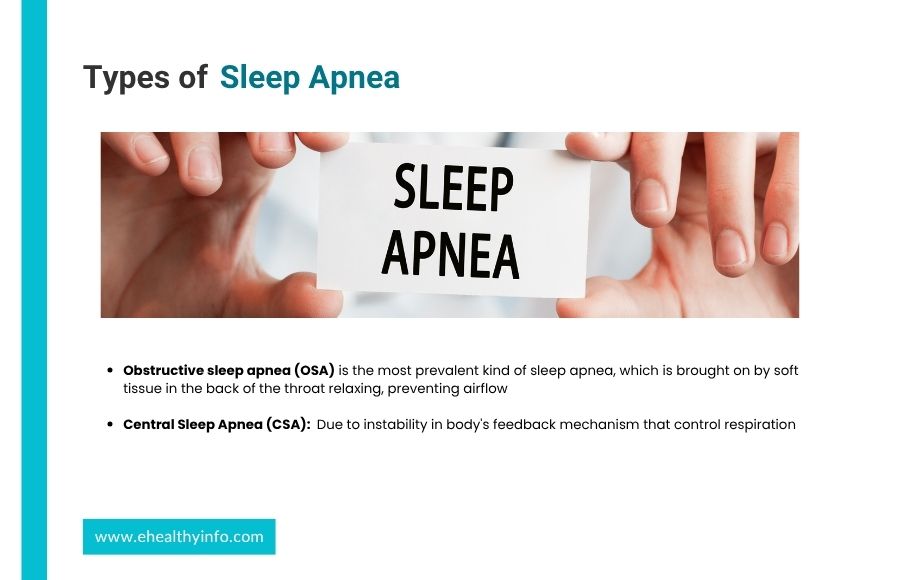
There are two common types of sleep apnea:
What Are the Symptoms of Sleep Apnea?
Sleep apnea is frequently disregarded when the signs are mild, which adds to the risks of ignoring sleep apnea. The two most obvious signs are snoring and gasping for air when you wake up. Your partner might be the one to notice that you snore or gasp for air during sleep. Excessive daytime drowsiness is another characteristic of sleep disorder. The following are the common sleep apnea symptoms:
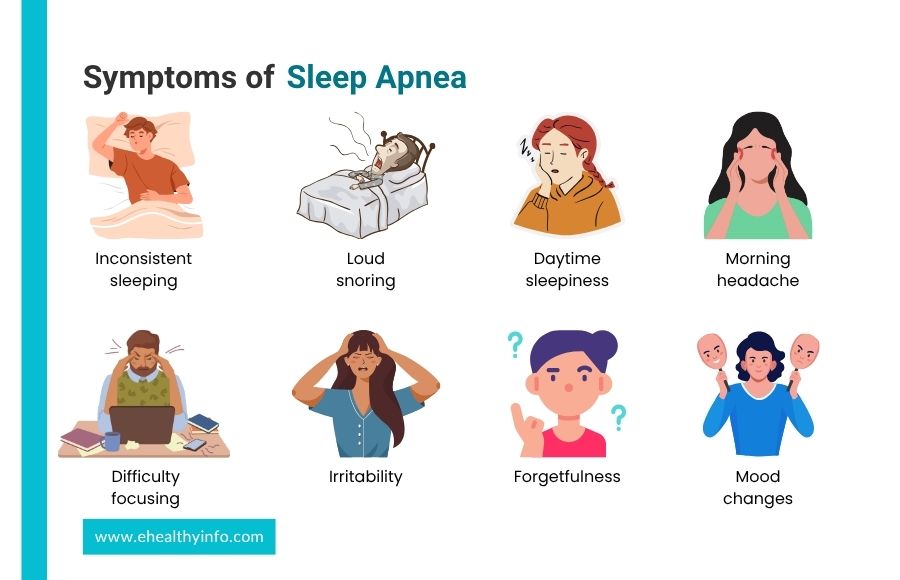
- Inconsistent sleeping
- Loud snoring followed by quiet and gasps
- Daytime sleepiness or not waking up feeling rested
- Morning headache that dissipates after you start moving around
- Difficulty focusing
- Irritability
- Forgetfulness
- Changes in mood or behavior
What are the Risk factors for Sleep Apnea?
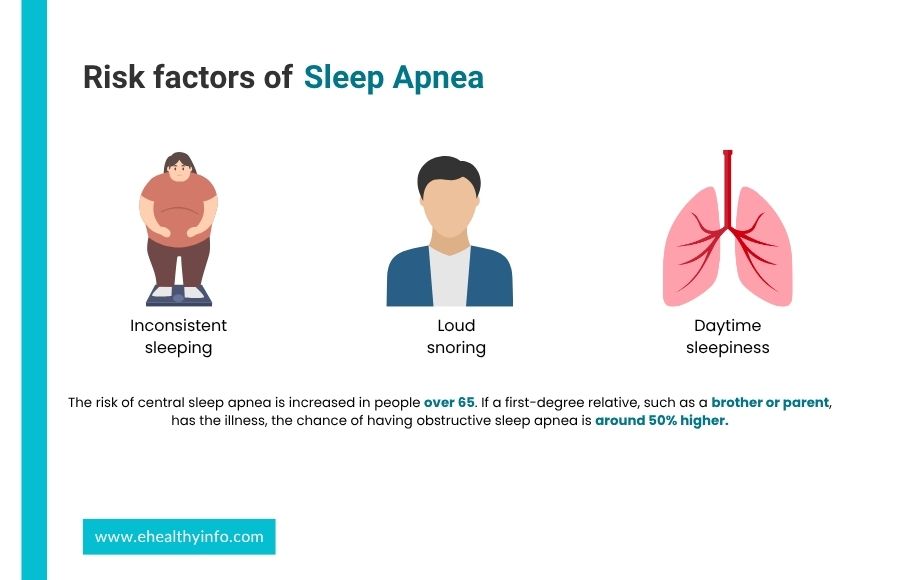
You are more likely to develop sleep disorders if you are overweight, male, or have tiny airways. It can also affect kids who have big tonsils or adenoids. The risk of central sleep apnea is increased in people over 65. If a first-degree relative, such as a brother or parent, has the illness, the chance of having obstructive sleep apnea is around 50% higher.
How Can a Diagnosis of Sleep Apnea Be Made?
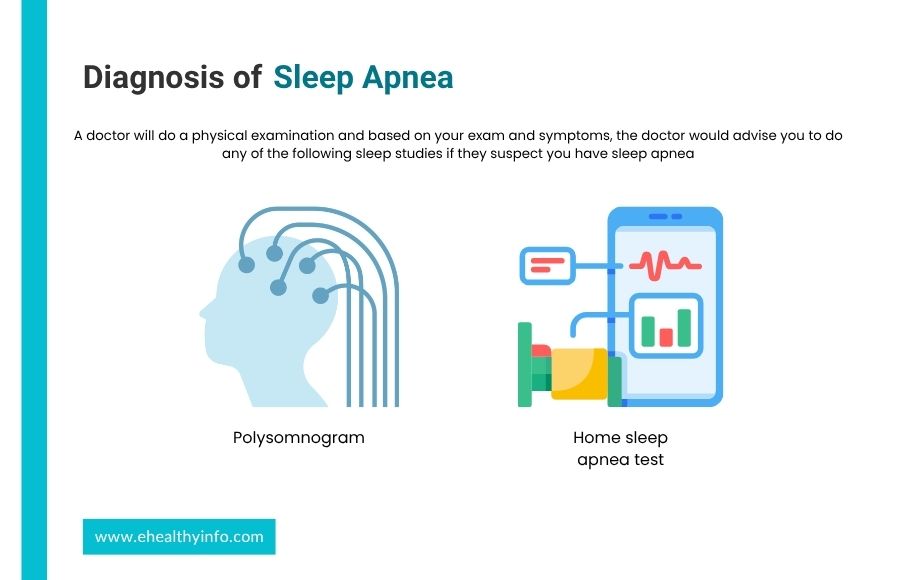
You need a sleep study to demonstrate breathing issues while asleep and rule out other sleep disorders or medical conditions to diagnose sleep apnea. Initially, a doctor will do a physical examination, enquire about your symptoms, and gather information about your personal and family history to evaluate if you have any other medical conditions. Based on your exam and symptoms, the doctor would probably advise you to do any of the following sleep studies if they suspect you have sleep apnea.
How Will Your Doctor Treat Sleep Apnea?
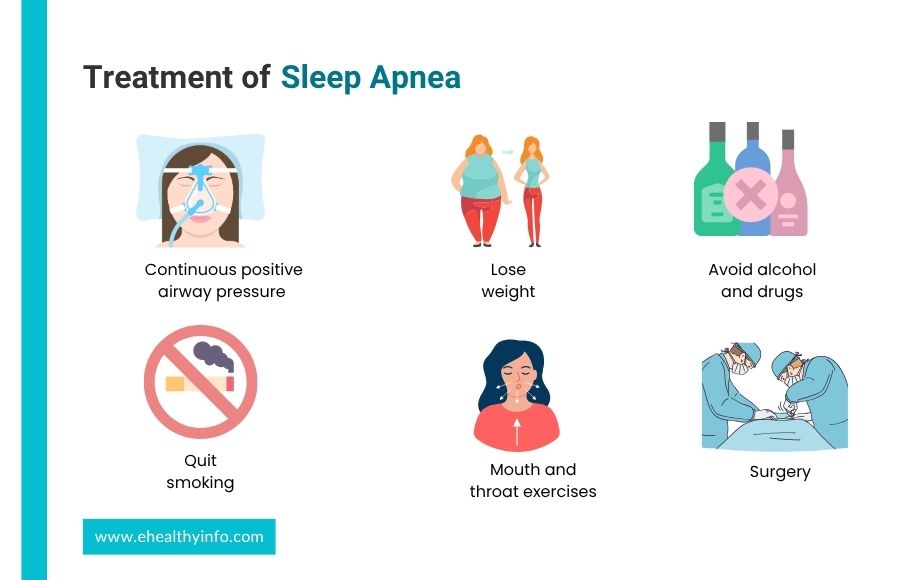
Sleep apnea treatment depends on an individual’s medical history and the severity of the illness. It’s crucial to receive treatment, as the risks of ignoring sleep apnea are serious. Many people can be treated for sleep disorders using lifestyle modifications, mouthpieces, surgery, and breathing apparatus.
1. Lifestyle Modification
- Avoiding alcohol and drugs (such as sedatives and muscle relaxants) that cause the central nervous system to relax.
- Lose weight.
- Quitting smoking can help improve health.
- Patients with less severe obstructive sleep apnea (OSA), less obesity, and younger age groups than those without positional OSA might be advised to sleep in a non-supine posture.
2. Appliances/Devices
Continuous positive airway pressure (CPAP) machine: The continuous positive airway pressure (CPAP) technique, in which a face mask is connected to a tube and a machine that pushes pressurized air into the mask and into the airway to keep it open, is advised by doctors if these conservative measures are insufficient.
CPAP therapy can definitely be uncomfortable. More than one-third of patients who are given CPAP machines discontinue using them, raising the risks of ignoring sleep apnea. They may be uncomfortable to wear because they may result in symptoms like a stuffy nose or dry mouth.
The most common issue is the problem with the fitting of the mask. A full-face mask that covers your mouth and nose may benefit you if your mouth breathes. But if one mask doesn’t work for you, there are definitely other options. To avoid waking up with a dry mouth, alternatively use a CPAP-heated humidifier, which connects to the air pressure machine and keeps the air moist. A mask with a nasal pillow that fits beneath your nose may be an alternative if you feel claustrophobic so that it covers less of your face.
How to Sleep With Sleep Apnea Without CPAP
If you’ve tried a range of masks and are still uncomfortable, talk to your doctor or provider about additional options, such as a mouthpiece if you have a mild sleep disorder or even surgery if your apnea is severe. Sometimes your sleep specialist can recommend using specific pillows, devices to prevent patients from resting on their backs, or oral gadgets to maintain an open airway while they can provide help for some people.
3. Surgery
The airway can be widened and tissue removed using surgical techniques. A surgically implanted device is positioned in the upper chest to monitor a person’s respiratory signals. At the same time, they stimulate a nerve that will help breathe more evenly again.
4. Mouth and Throat Exercises
Exercises for the mouth and throat can assist the muscles to stay tight so they don’t go loose while sleeping and clog your airways. Vowel pronunciation, shifting the tongue, and chewing with the mouth shut are a few exercises that may be done.
What Are the Risks of Ignoring Sleep Apnea?
Is sleep apnea dangerous if left untreated? Yes, sleep apnea poses a life-threatening risk if untreated. With untreated sleep apnea, you may feel sleepy during the day if your sleep is disturbed all night. People with sleep disorders are likelier to experience vehicle accidents, workplace accidents, and other health issues. The risks of ignoring sleep apnea include the following diseases if it stays undiagnosed or untreated:
- Transient ischemic attacks (TIAs), commonly known as “mini-strokes” and strokes
- Heart attack
- Abnormal heartbeat including atrial fibrillation and significant pauses in the electrical activity of the heart
- Elevated blood pressure.
How Can You Prevent Sleep Apnea?
You may do various things to lower your risk and enhance the quality of your sleep, even if it’s not always possible to avoid sleep apnea.
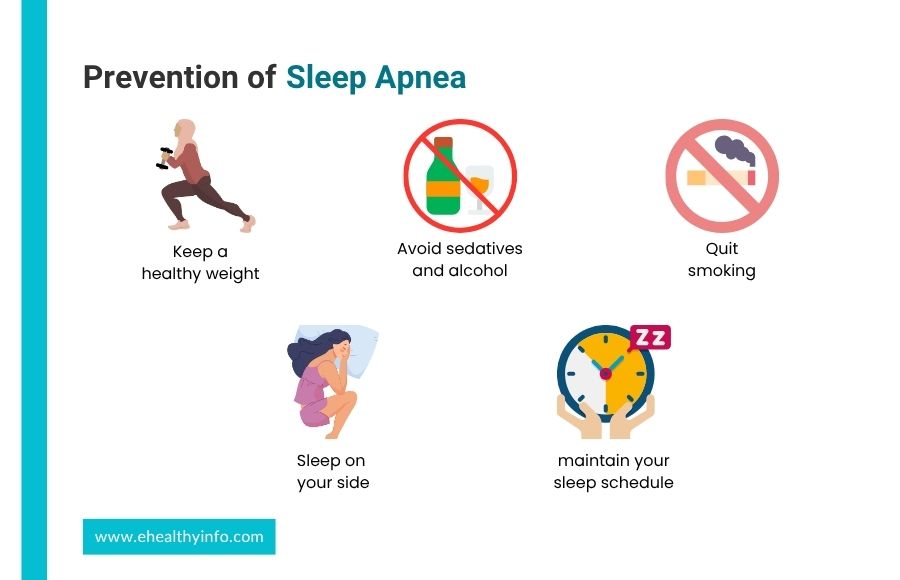
- Keep a healthy weight
- Avoid sedatives and alcohol because they can relax the muscles in the throat, making it more challenging to maintain an open airway while you sleep.
- Quit smoking, as smoking can exacerbate airway swelling and inflammation, which can aggravate sleep apnea.
- Opt for sleeping on your side rather than your back to reduce the risk of airway blockage.
- Maintaining a regular sleep schedule, setting up a restful sleeping environment, and avoiding screens and stimulating activities before night are all examples of excellent sleep hygiene.
- Treating underlying medical conditions such as sleep disorder is more likely to occur in those with diabetes, high blood pressure, or heart disease.
Questions For Your Doctor
- What are the different types of sleep apnea, and which one do I have?
- What are the potential health consequences of untreated sleep apnea?
- How is sleep disorder typically treated, and what are my options?
- What lifestyle changes can I make to improve my sleep apnea symptoms?
- How effective are the various treatments for sleep disorders, and what are their potential side effects?
- How often should I follow up with my doctor to monitor my sleep apnea and treatment progress?
- Are there any alternative treatments for sleep disorders that I should consider?
Conclusion: Don’t Overlook the Risks of Ignoring Sleep Apnea
Sleep apnea is common, but the risks of ignoring sleep apnea, from strokes and heart attacks to vehicle and workplace accidents, are serious. With a sleep study, the right treatment, and simple lifestyle changes, you can breathe and sleep better.
References


