Category: Heart Failure

  • Smartwatch AI For Heart Disease Diagnosis

    Smartwatch AI For Heart Disease Diagnosis

    Artificial Intelligence in the Management of Heart Failure

    What if your smartwatch could warn you before your heart sends you to the hospital? Not after symptoms Not after damage. But before you even feel something is wrong. AI is already doing this today.

    It can track subtle changes in your body like rising water weight, changes in your heart rate,
    and even how your breathing patterns shift over time. These are the exact early warning signs that heart failure is getting worse.And here’s the key:You might not even notice these changes yourself.

    But AI can.When those patterns start to change, your care team can be alerted early—before symptoms spiral out of control.That means something simple… like adjusting medications at home.Instead of waiting until you’re short of breath, overwhelmed…and end up in the ER.This isn’t replacing doctors. It’s giving them a head start. But heart failure isn’t the only silent problem AI is catching…

    Some of the most dangerous heart problems… don’t feel like anything at all.Irregular heart rhythms—like atrial fibrillation— can be completely silent.No pain. No warning.No symptoms.

    And yet… they can lead to stroke. In fact, many people who have strokes never knew they had a rhythm problem.

    This is where your smartwatch becomes powerful. Today’s devices use AI to analyze your heartbeat patterns continuously. They’re not just counting beats they’re looking for irregular patterns.

    And when something doesn’t look right, they send an alert.

    That alert can lead to early testing, early diagnosis, and, in some cases, starting treatment like blood thinners before a stroke ever happens.

    One small notification. could prevent a life-changing event.

    And here’s the bigger picture…

    This isn’t futuristic technology.It’s already here. And it’s already being used.

    AI is quietly shifting healthcare from reacting to disease… to predicting it.

    From emergency care… to early intervention. From hospital stays… to care at home. It doesn’t replace your doctor. It strengthens the connection between you and your care team. It gives you time. And in medicine, time changes everything.

    So here’s the question:

    Would you trust AI to help guide your healthcare decisions before things get serious?

    Comment below.

    And follow eHealthyinfo for real, myth-free medicine.

  • What Are The Warning Signs of a Heart Disease in Females?

    What Are The Warning Signs of a Heart Disease in Females?

    Heart Disease Symptoms in Women

    Think heart disease is just a man’s problem? Think again! It’s the number one killer for both men and women. Shockingly, since 1984, more women have died from heart disease than men. But here’s the twist: women often experience it differently. While men might clutch their chest dramatically, women could have sneakier symptoms like shortness of breath, nausea, or even jaw pain. These subtle signs often get ignored or mistaken for something else. And get this – heart disease has been less studied in women, leading to this dangerous myth. So ladies, don’t brush off those unusual symptoms. And guys, don’t think you’re off the hook either. Heart disease doesn’t discriminate – it’s an equal opportunity threat. Know the signs, stay vigilant, and keep that heart pumping strong!

  • Can Heart Failure Patients Get Heart Transplants?

    Can Heart Failure Patients Get Heart Transplants?

    Heart Transplantation in Heart Failure

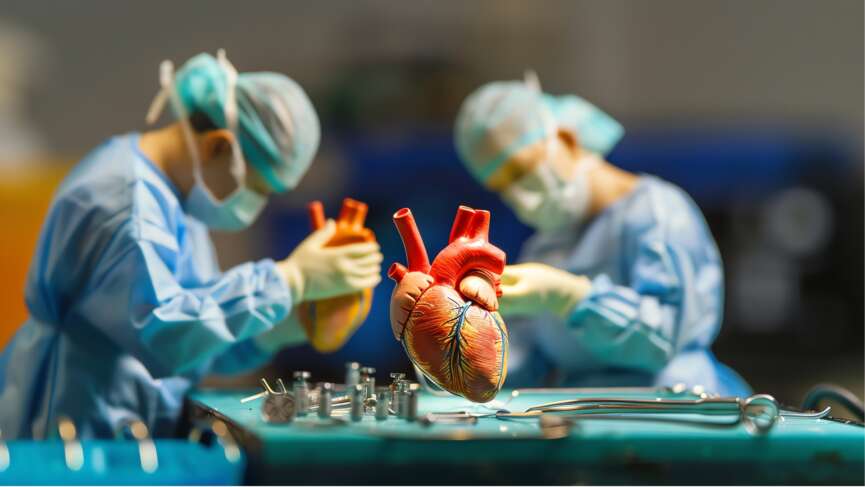
    If you or a loved one are considering a heart transplant, it’s crucial to understand the eligibility criteria. In this video, we’ll explore the key factors that determine whether someone is a suitable candidate for a heart transplant. From medical assessments to lifestyle considerations, we’ll cover it all to help you make an informed decision about this life-saving procedure.

  • Heart failure With A Normal Ejection Fraction

    Heart failure With A Normal Ejection Fraction

    Heart failure with a normal ejection fraction

    Explore the significance of ejection fraction in heart failure in this informative video. We discuss heart failure ejection fraction, the unique aspects of heart failure with a normal ejection fraction, and the importance of ejection fraction measurement in managing heart failure effectively. Gain insights into this critical aspect of heart health.

  • Step-by-Step Guide on Performing CPR and Using an AED

    Step-by-Step Guide on Performing CPR and Using an AED

    Steps to perform CPR

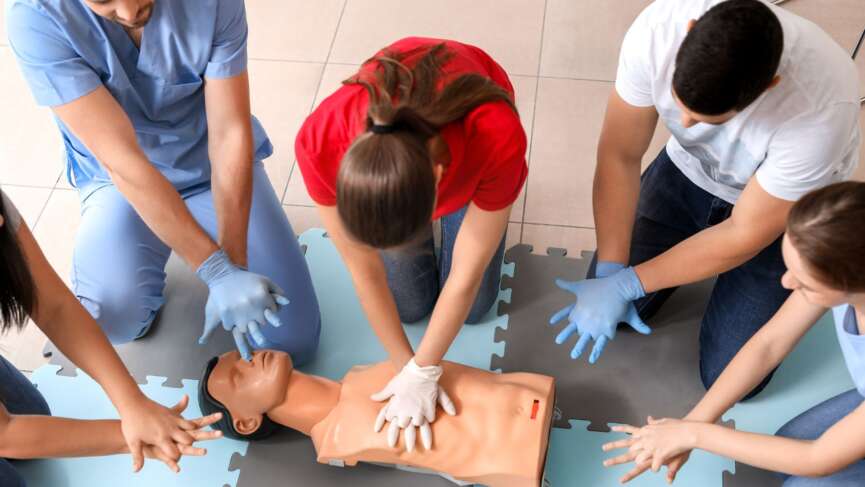
    When every second counts, knowing how to perform CPR and use an AED can make a crucial difference. Watch this comprehensive guide for step-by-step instructions on providing immediate aid in an emergency.

  • How Medications are Changing the Game for Heart Failure Patients?

    How Medications are Changing the Game for Heart Failure Patients?

    Medications Used for Heart Failure

    In this video, we explore the role of medications in the treatment of heart failure. We will discuss the different types of medications used in heart failure treatment, their mechanisms of action, and potential side effects. Whether you or a loved one are living with heart failure or are interested in learning more about this condition, this video will provide valuable insights to help you make informed decisions about your health.

  • Understanding the Benefits and Potential side effects of Entresto

    Understanding the Benefits and Potential side effects of Entresto

    Entresto in Heart Failure

    In this video, we’ll delve into the benefits and potential side effects of Entresto, shedding light on how it can positively impact the lives of those dealing with heart failure #Entresto #HeartFailure #ARNI #Sacubitril #Valsartan #HeartHealth

    Ejection Fraction in Heart Failure

  • 5 Warning Symptoms Of A Heart Attack

    5 Warning Symptoms Of A Heart Attack


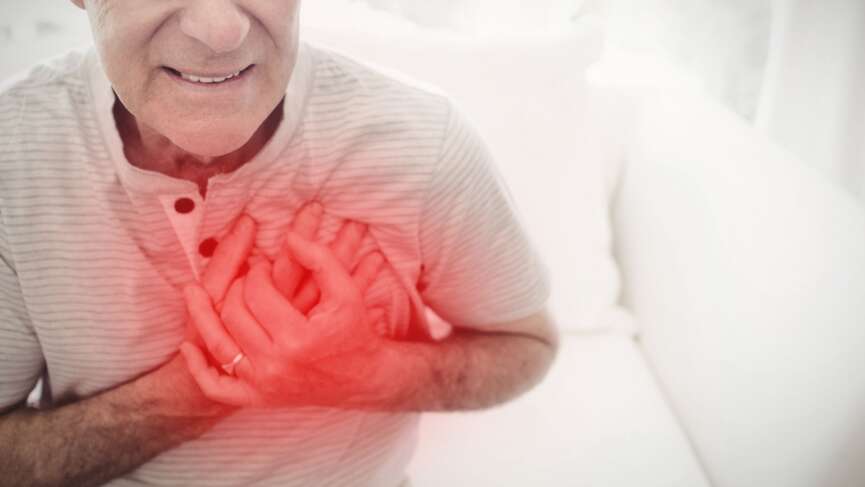
    Heart attacks are a leading cause of death worldwide, and they can happen to anyone, regardless of age or gender. Recognizing the warning signs of a heart attack is crucial for timely treatment and better outcomes. This informative video will discuss the top 5 warning symptoms of a heart attack that you should never ignore. These symptoms can be subtle and life-threatening, from chest pain and discomfort to shortness of breath and nausea. Don’t wait until it’s too late – watch this video and learn how to identify the signs of a heart attack and take steps to protect your heart health.

    Does Heart Stop Beating In Heart Failure?

  • Aortic Stenosis – Symptoms, Treatment, Diagnosis and Prevention

    Aortic Stenosis – Symptoms, Treatment, Diagnosis and Prevention

    What is Aortic Stenosis?

    Aortic stenosis is a heart condition that affects the aortic valve, one of the four valves in your heart. Aortic stenosis occurs when the aortic valve narrows, reducing blood flow from the heart into the aorta, the main blood vessel that carries oxygenated blood to the rest of the body.

    Symptoms Of Aortic Stenosis

    Symptoms of aortic valve stenosis range from mild to severe. Most people with aortic valve stenosis would not experience any major symptoms for many years. Symptoms generally occur when the narrowing of the valve is severe:

    • Chest pain

    This is often felt during physical activity or when the heart has to work harder. This pain is often termed as angina.

    • Shortness of breath

    You can have shortness of breath, especially during exercise or when lying flat.

    • Dizziness

    You might feel lightheaded or dizzy due to reduced blood flow to the brain through the narrowed lumen of the valve. You might even have a syncope if it is too narrow.

    • Fatigue

    As the condition progresses, you can tire easily, usually much faster. You might not be able to conduct the regular activities you used to do.

    • Poor growth

    Children with congenital aortic stenosis can have poor growth. They can be low in weight and height about their age.

    • Heart failure

    When the disease progresses to very advanced stages, patients can present with heart failure and have worsening symptoms.

    Risk Factors of Aortic Stenosis

    Several factors can increase the risk of developing aortic stenosis, which often develops gradually over time. Some of them are discussed below:

    • Age

    As we age, the risk of aortic stenosis increases. The valve may naturally thicken and become less flexible over time.

    • Congenital heart conditions

    Some people are born with abnormal aortic valves that may eventually lead to stenosis. The bicuspid aortic valve is the most common congenital heart defect affecting 1% of the general population and is one of the leading causes of stenosis in the young population.

    • Aortic valve calcification

    Calcium is a mineral present in the blood. As blood flows through the valves, calcium can deposit on the heart valves, and the process gets hastened if the valve is highly pressured, like the aortic, and has microtrauma.

    • High cholesterol

    High cholesterol levels can lead to the buildup of fatty deposits on the aortic valve, narrowing it.

    Uncontrolled hypertension can strain the aortic valve and contribute to its deterioration.

    • Rheumatic fever

    Rheumatic fever is one of the most common conditions seen among children. A previous bout of rheumatic fever can damage the aortic valve, increasing the risk of stenosis.

    Treatment Of Aortic Stenosis

    Treatment options for aortic stenosis depend on the symptoms and the severity of the condition. While you might need a regular follow-up with your doctor if there is mild aortic valve disease or no symptoms, you may need surgery to repair or replace the valve for severe disease. There are less invasive options available, too, but that depends on your overall health and your choice.

    The treatment options for aortic valve stenosis are:

    • Balloon valvuloplasty

    This minimally invasive procedure is used in infants and children. The procedure is limited in adults, as the valve gets narrower afterward. So, it is usually only done if you are young or waiting for a valve replacement. In this procedure, a tube with a balloon tip is inserted into an artery through the arm or the groin. It is then taken to the aortic valve. Once it reaches the valve, the balloon is inflated, which widens the valve opening. The balloon is then deflated, and the catheter is withdrawn.

    • Aortic valve replacement

    It is the ultimate treatment for aortic stenosis. The damaged valve is replaced with a mechanical valve made from cows, pigs, or human tissue. While biological valves break down over time and need to be replaced again, mechanical valves remain longer than the biological valve, but the patient will have to take a blood thinning agent.

    The valve can be replaced by either of the following two procedures:

    • Surgical aortic valve replacement (SAVR):

    Aortic valve replacement is done via an open-heart surgical procedure. During an SAVR, you would be put under general anesthesia and placed on a ventilator while on a heart-lung bypass machine. A surgeon would then cut open your breastbone to get to the heart. In some patients, less invasive approaches can be used. The aortic stenosis valve is cut out and replaced by the new valve. Recovery in the hospital usually takes about five days. This procedure can use both bioprosthetic as well as mechanical valves.

    • Transcatheter aortic valve replacement (TAVR):

    TAVR is an alternative to SAVR and is done for those not candidates for open-heart surgery due to other comorbid conditions. This minimally invasive procedure requires no sternotomy or a heart-lung bypass machine. The replacement valve is usually inserted using a catheter into an artery in the leg, then threaded through arteries to the heart. Once within the diseased aortic valve, the folded TAVR valve is opened with a balloon and placed in the right place. Some valves can, however, self-expand and do not need re-positioning. The surgeon then removes the catheter once the new valve is securely placed. It is to be noted that this procedure uses only bioprosthetic valves only.

    Diagnostic Evaluation Of Aortic Stenosis

    Several diagnostic tests are performed to confirm and determine the cause and its severity. Tests for aortic valve stenosis may include:

    • Electrocardiogram (EKG)

    It is one of the routine tests performed that measures the electrical activity of the heart. It can show how fast or slow your heart is beating. Your doctor will look for the strain pattern in the EKG if you have aortic stenosis.

    • Echocardiogram (ECHO)

    In simple terms, it is an ultrasound of your heart, and it creates images of the heart. It is a fast and painless investigation that helps to evaluate the structure and function of the heart. It can recognize a weakened heart muscle, changes in the valves of the heart, and look at how the blood flows through the valves. With an ECHO, your doctor can determine the severity of aortic valve stenosis.

    • Chest X-ray

    Chest X-ray gives you a view of the heart and lungs together. It helps to determine if there is an enlarged heart, a common finding of aortic stenosis. It can also show an enlarged aorta and calcium build-up.

    • Cardiac computed tomography(CT)

    This test utilizes multiple X-rays to obtain detailed heart pictures. It is also utilized to evaluate the size of the aorta and calcium deposits on the aortic valves and to guide surgical management of the condition.

    • Cardiac catheterization

    This is a test where a catheter is guided from a vessel in the wrist or groin leading to the heart, and a contrast dye is injected through it. The dye goes to the arteries of the heart and helps to assess their patency. The test is not used to diagnose aortic valve disease but can be used if other tests are not able to diagnose the condition. A coronary angiogram can be used to identify patients who also might benefit from surgery on the blood vessels around the heart along with an aortic valve replacement procedure. Therefore, every patient with aortic stenosis should undergo a coronary angiogram to detect and treat any coexisting coronary vessel disease.

    Complications Of Aortic Stenosis

    While aortic stenosis can initially be asymptomatic, it can lead to several complications as the condition progresses. Watch out for these complications:

    • Reduced exercise tolerance

    As the condition progresses, reduced blood flow can lead to decreased exercise tolerance, fatigue, and a decline in overall physical capacity.

    • Heart failure

    As the aortic valve narrows further, the heart must work harder to pump blood through the narrowed valve. Over time, this extra strain on the heart can lead to left ventricular hypertrophy and, eventually, heart failure.

    • Arrhythmias

    Aortic stenosis can increase the risk of abnormal heart rhythms or arrhythmias. The irregular heartbeats can further compromise the heart’s ability to pump blood effectively.

    • Infection (Infective Endocarditis)

    Aortic stenosis may make the heart valve more susceptible to infection. Bacterial or microbial infections of the heart valve can lead to a condition called infective endocarditis, which is a serious and potentially life-threatening complication.

    Prevention of Aortic Stenosis

    You can take steps to strengthen your heart and guard against developing aortic stenosis. These include:

    • Make heart-healthy choices 

    Healthy choices such as daily physical exercise and quitting smoking can prevent calcium buildup in arteries and aortic valve. If you have high blood pressure, high cholesterol, diabetes, or kidney problems, you should consult your doctor regarding adequate management of these chronic health conditions.

    • Keep up with dental checkups

    Gum infections can lead to infection and development of aortic valve stenosis. A regular dental checkup can avoid aortic valve disease secondary to gum infections.

    • Treat infections

    The bacteria that cause strep throat can sometimes cause rheumatic fever if left untreated. Rheumatic fever often happens in children and young adults. This is a condition that can be easily treated with antibiotics. So, getting treated for strep throat is important to prevent valvular heart disease.

    Question For Your Doctor

    1. What symptoms of Aortic Stenosis should prompt me to seek immediate medical attention?
    2. Should I limit my physical activity because of Aortic Stenosis?
    3. How often should I have my heart checked yearly?
    4. What are the treatment options?
    5. Are there any medications that I can take for this condition?
    6. How do I know if surgical or Transcatheter Aortic Valve Replacement is a better treatment option for me?
    7. What changes happen to the heart after having aortic stenosis over time?

    References

  • Heart block- Do you need a pacemaker?

    Heart block- Do you need a pacemaker?

    Mr. Anderson, a 58-year-old schoolteacher, complains of dizziness. He has been experiencing fatigue and chest pain since. He has a history of hypertension and has been taking his medication regularly. His general health is otherwise good. He is worried that he has a heart block and needs a pacemaker.

     What is Heart Block?

    It is a problem in the electrical system of the heart. The heart has four chambers and four heart valves, which regulate the blood supply in the body normally. Typically, the electrical signal starts from the sinoatrial node (SA node) at the right atrium to the atrioventricular node (AV node). From the AV node, it goes to the Bundle of His, and ultimately, it extends into the right and left ventricles. Heart blocks occur when these electrical signals, which move from top to bottom, are disrupted or delayed.

    There are three types of heart block, from first-degree heart block, which is the mildest, to third-degree, which is the most severe type.

    What Are The Symptoms of Heart Block?

    • Tiredness and fatigue
    • Dizziness or lightheaded, feeling of fainting
    • Unsteady gait, shortness of breath, tiredness, and fatigue.
    • You may need help in doing day-to-day activities.
    • You may have shortness of breath.
    • Chest discomfort

    What Are The Causes of heart Block?

    • Age: Heart block is more common in older adults (>65 years).
    • Sex: Heart block is more common in males.

    Medical Conditions and Medicines

    • Certain medical conditions: If you have ischemic heart disease, hypertrophic obstructive cardiomyopathy, amyloidosis and sarcoidosis, congenital heart disease, family history of heart block, hypothyroidism, hyperkalemia, Lyme disease.
    • Use of certain medications: You are at higher risk if you are on beta blockers, digoxin, adenosine, and antiarrhythmic drug, most commonly amiodarone.

    What Are the Types of Heart Block?

    There are mainly three types of heart block, first-degree, the mildest type, and third-degree, the most severe type.

    1. First-Degree Heart Block

    It usually doesn’t have any symptoms. All electrical impulses reach the ventricles despite being slowed through the conduction system. Well-trained athletes may have first-degree heart block. Some drugs can also bring on this syndrome. First-degree heart block typically does not require any treatment.

    2. Second-Degree Heart Block

    • In this type, the electrical impulse doesn’t reach the heart’s lower chamber, and the heart may escape beats and become irregular. You may feel dizzy, faint, or have other symptoms.
    • This may be serious in some cases.

    3. Third-Degree Heart Block

    • In this type, the upper and lower chamber of the heart doesn’t beat in a synchronized manner.
    • The upper and lower chambers do not beat sequentially (one after the other) as they ordinarily do, and the lower chambers beat at a significantly slower rate.
    • The heart is unable to supply the body with enough blood. Breathlessness and dizziness may result from this.
    • This is an emergency that needs medical help right away.

    How Will Your Doctor Diagnose Heart Block? 

    • Your doctor will talk to you about the symptoms that a heart block could cause.
    • Your doctor will do ECG to look for any irregularities in the heart.
    • It’s crucial to record your activities and symptoms accurately while using a Holter monitor; therefore, keep a journal. Write down the time of day they started and what you did in your diary if you experience symptoms like chest discomfort, shortness of breath, irregular heartbeats, or dizziness. The variations in your ECG captured by the Holter monitor will be compared to the entries in your diary. Sometimes your doctor also may ask you to wear a Holter machine for 24-48 hours to monitor any irregularities.

    How Will Your Doctor Treat Heart Block?

    Treatment depends upon the type of heart block. Firstly, your doctor finds out about the kind of heart block.

    • If you don’t have any severe symptoms, you need regular follow-ups with your doctor.
    • Your doctor may prescribe a wearable device to monitor your heart’s electrical activity, even at home.
    • If you have second or third-degree heart block, you may need a pacemaker. It is a small battery-operated device that senses when your heart is beating too slowly or irregularly. It sends a signal to your heart which will correct the heart’s pace.

    Questions For Your Doctor

    1. What is the cause of my heart block?
    2. What is the type of heart block?
    3. What therapy or medication will help me?
    4. Do I need to stop any medications?
    5. Do I need to use a wearable device to monitor my heart at home?
    6. When should I visit the emergency room or call 911?

    References

    1. Heart block: MedlinePlus Medical Encyclopedia
    2. Arrhythmia | American Heart Association
    3. Heart Block | UpBeat.org – powered by the Heart Rhythm Society

Sign Up to Our Newsletter

Be the first to know the latest updates