Skip to content Skip to footer

Tag: Blog Posts

Cystic fibrosis (CF) is an inherited, life-shortening genetic disorder caused by a defective CFTR gene, which produces thick, sticky mucus that clogs lungs, damages the pancreas, and causes severe respiratory and digestive dysfunction

Cystic Fibrosis Symptoms and Treatment – Key Signs, Diagnosis & Breakthroughs

| Highlights Of Cystic Fibrosis Cystic fibrosis is a genetic condition that causes thick, sticky mucus buildup in organs like the lungs and digestive system. Cystic fibrosis occurs due to the mutation in the Cystic Fibrosis Transmembrane conductance Regulator(CFTR) gene inherited from both parents. Symptoms of cystic fibrosis vary and…

Read more

A young woman looking away while standing by mirror with reflection against a wall, representing gender dysphoria

Signs of Gender Dysphoria in Children – Diagnosis & Treatment by Age

| Highlights Of Gender Dysphoria Gender Dysphoria is the distress experienced by individuals due to a mismatch between their assigned sex at birth and their gender identity. Gender dysphoria is different for each person, causing distress, depression, anxiety, restlessness, or unhappiness alongside other mental health issues. Not all transgender or gender non-confirming individuals experience…

Read more

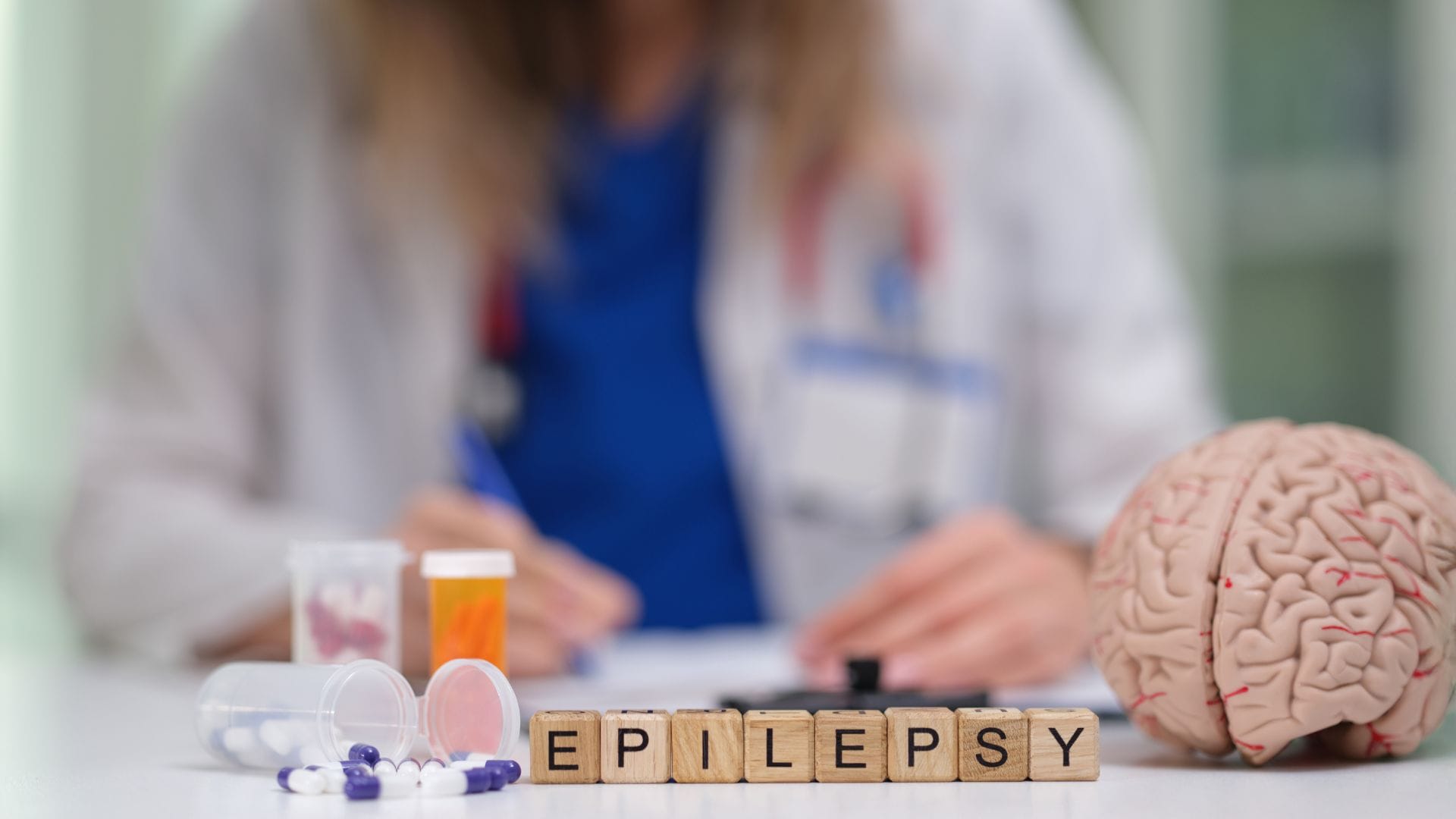
focal seizure symptoms adults epilepsy types treatment options explained

Focal Seizure Symptoms in Adults – Epilepsy Types, Treatment Options, and More

Key Highlights Epilepsy is a chronic neurological disorder with recurrent seizures and is caused by abnormal electrical activity in the brain. Focal seizure symptoms in adults and children differ; focal seizures originate in one brain area while generalized seizures involve widespread electrical disturbances. Diagnosis of epilepsy involves a thorough evaluation…

Read more

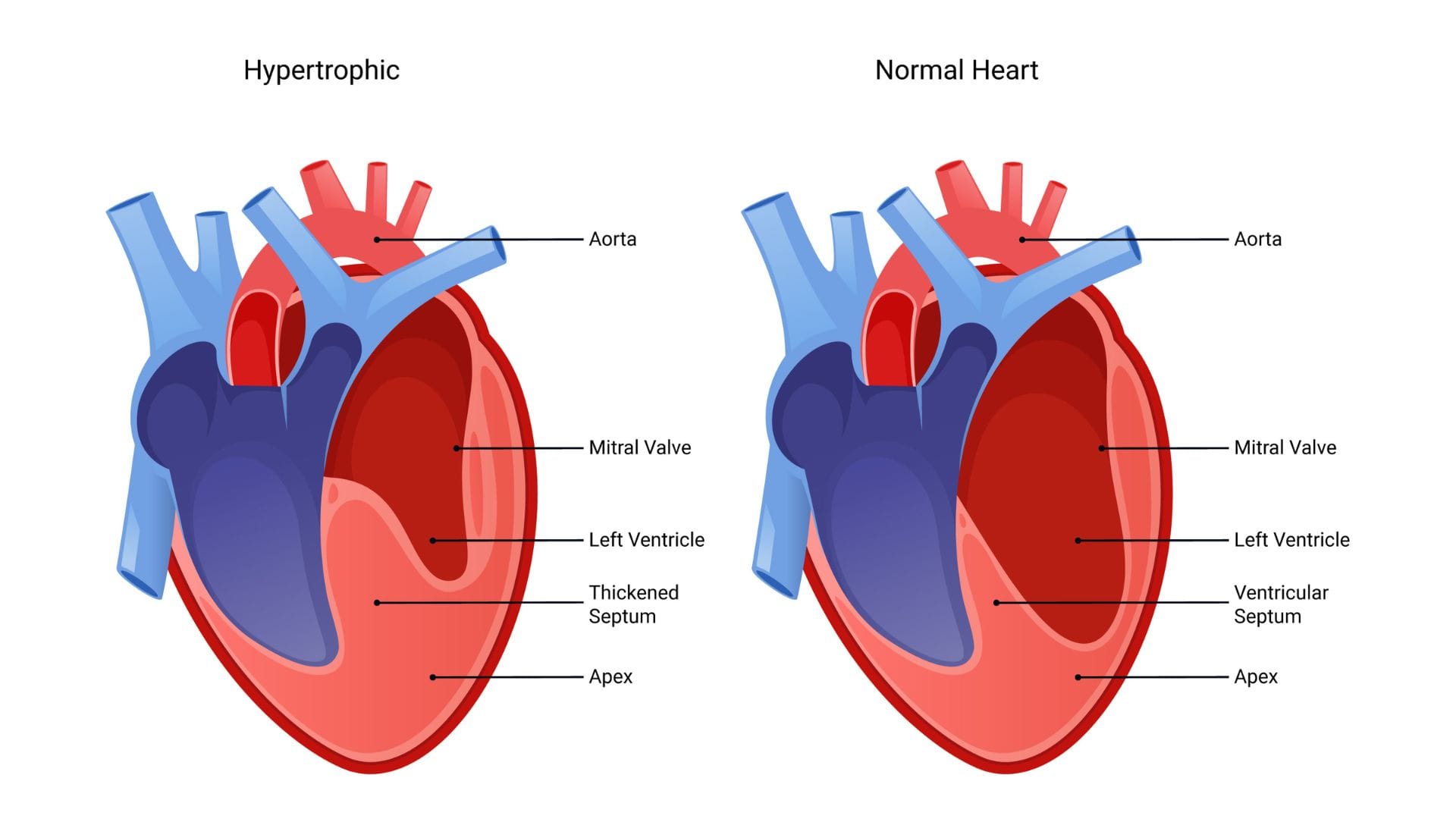
Exploring cardiomyopathy causes, symptoms, treatment, and implantable devices for cardiomyopathy

Cardiomyopathy – Causes, Symptoms, Treatment, and Implantable Devices

Highlights of Cardiomyopathy Cardiomyopathy affects the heart muscle, making it harder for the heart to pump blood to the rest of the body. There are different types of cardiomyopathy, including dilated, hypertrophic, and restrictive. A variety of factors, including genetics, infections, autoimmune diseases, certain medications, and lifestyle factors, such as alcohol abuse…

Read more

Thalassemia iron overload in red blood cells – types, symptoms, and treatments

Thalassemia Iron Overload – Types, Symptoms, Treatments and Risk Factors

Highlights of Thalassemia A thalassemia is a group of inherited hemoglobin disorders that affect red blood cells’ ability to transport oxygen due to insufficient production of alpha or beta-globin proteins. Symptoms of thalassemia vary based on severity, ranging from none to severe anemia, fatigue, enlarged organs, and bone deformities, with severe…

Read more

Parkinson's disease motor symptoms — tremor, rigidity and bradykinesia in an elderly patient

The Best PD Treatment – Parkinson’s Disease Motor Symptoms, Risks and Diagnosis

Key Highlights of Parkinson's Disease 1. Parkinson’s disease is caused by degeneration of dopamine-producing neurons. 2. Common Parkinson's disease motor symptoms include resting tremors, bradykinesia (slowness of movement), muscle rigidity, and postural instability, impacting a person’s ability to move and perform daily activities. 3. Parkinson’s disease is typically diagnosed in…

Read more

Sign Up to Our Newsletter

Be the first to know the latest updates