Blog

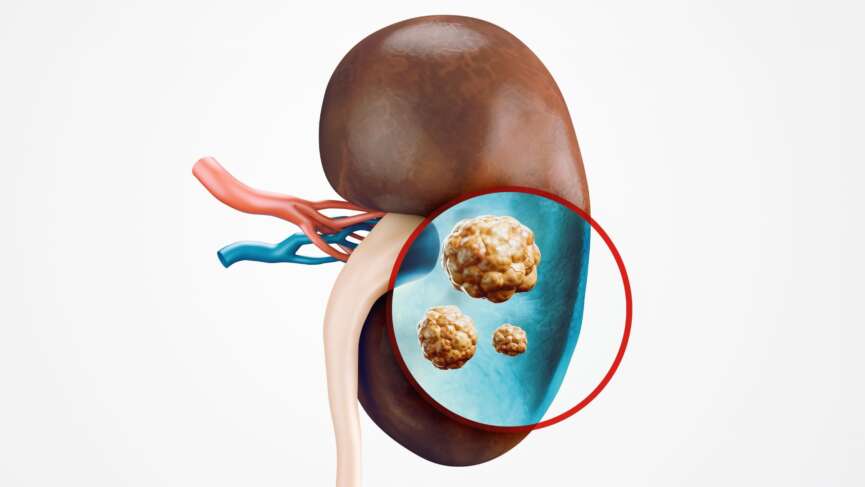
  • What Can You Do To Prevent Kidney Stones?

    What Can You Do To Prevent Kidney Stones?

    5 Tips To Help Prevent Kidney Stones

    Today, we’ll explore five simple steps to safeguard your precious kidneys. The first one is to

    1. Increase your water intake

    Staying hydrated helps flush out toxins and prevent stone formation. Aim for at least eight glasses of water a day. Carry a reusable water bottle with you everywhere as a reminder!

    2. Reduce your salt and sugar intake

    A high-sodium diet can contribute to stone formation. Instead, embrace a diet rich in fruits, vegetables, and whole grains. Incorporate more colorful and nutrient-dense foods into your meals. 

    3. Limit oxalates

    Some kidney stones are formed due to high oxalate levels in the body. Foods like spinach, rhubarb, and chocolate contain oxalates. Limit their intake to prevent stone formation. 

    4. Increase calcium in your diet

    Eat beans and lentils high in calcium. In your intestine, calcium from food links to oxalate. This reduces the amount of oxalate that goes into the bloodstream, later in the kidneys and the urine. 

    5. Limit intake of animal protein

    Consider limiting your consumption of animal protein, as it has a high content of oxalate. Eat meat such as chicken, eggs, shellfish, and cheese in moderation. 

    Remember: moderation is key. Maintaining your diet and drinking plenty of water can help prevent kidney stones. 

  • What Are The Causes Of Frequent Burping?

    What Are The Causes Of Frequent Burping?

    What Happens When You Burp?

    Hi there, friends. Do you want to know why you burp? Let me tell you about burping today.

    Burping occurs when excess air or gas is expelled from the stomach through the mouth. This is a natural bodily function. It typically happens when air is swallowed while eating, drinking, or talking. As the stomach becomes distended with gas, it triggers a reflex called the belch reflex, relaxing the lower esophageal sphincter and allowing the gas to escape back up through the esophagus and out of the mouth.  The sound of a burp is caused by the vibration of the vocal cords as the gas passes through the throat. 

    While burping is normal and helps to relieve discomfort, frequent or excessive burping may indicate underlying digestive issues. Gastroesophageal reflux disease, indigestion, gastritis, Helicobacter pylori infection, and irritable bowel syndrome are some of the most common culprits.

    If you have frequent burping, here are five steps you can take to minimize it:

    • Eat and drink more slowly. 
    • avoid gas-inducing foods like dairy products
    • cut back on carbonated beverages
    • quit smoking, and 
    • staying active after meals

    If you have tried all of these and burping is still troubling you, it’s time to talk to your doctor. I hope you enjoyed our session on burping. Stay tuned for more videos like this. Subscribe ehealthyinfo for more videos.

  • What Leads To Kidney Failure?

    What Leads To Kidney Failure?

    How do you keep your kidneys safe?

    Hello there! Do you ever wonder how you can keep your kidneys safe? This video will give you five tips to keep your kidneys safe. 

    • Blood pressure: Blood pressure plays a very important role in keeping your kidneys healthy. You should work to keep your blood pressure within the goal range, preferably less than 130/80 mm of mercury. 
    • Blood Glucose: If you have diabetes, it is crucial to manage your blood glucose levels through medication, diet, and exercise. A higher level of blood glucose can affect the kidneys over time. 
    • Avoid overuse of painkillers: Regular and excessive use of certain over-the-counter pain medications like NSAIDs can harm the kidneys. You should consult your doctor for safer alternatives for frequent pain relief.
    • Practice Good Personal Hygiene: You should maintain good personal hygiene and stay hydrated. This will help prevent urinary tract infections, which, if left untreated, can sometimes lead to kidney infections.
    • Exercise Regularly: Make a habit of exercising to maintain a healthy weight and improve circulation. Aim for at least 30 minutes of moderate exercise most days a week.

    Make these changes to take charge of your kidney health, and follow ehealthyinfo for more information.

  • How Men Can Cultivate Sexual Desire Naturally?

    How Men Can Cultivate Sexual Desire Naturally?

    Do you want to know about ways to boost male sexual health without any pills?

    6 Tips to Enhance Men’s Sexual Health Naturally

    1. Maintain a healthy lifestyle

    A healthy lifestyle is the key. You should try keeping your body healthy with exercise, a balanced diet, enough sleep, and effective stress management. 

    2. Avoid smoking and alcohol

    Smoking is known to cause erectile dysfunction, while alcohol decreases performance and libido. Quitting smoking and alcohol can make a huge difference in your sexual health.

    3. Maintain a healthy weight

    Studies have shown higher BMI is associated with impairment in sexual functioning. You should maintain a healthy weight to have good sexual health.

    4. Practice safe sex

    You should practice safe sex with a single partner and use a condom to prevent sexually transmitted diseases.

    5. Manage chronic conditions

    Diabetes, obesity, and heart disease can impact sexual health. Regular check-ups, taking your meds regularly, and lifestyle modifications are so important while managing chronic medical conditions.

    6. Seek professional help when needed

    If you’re experiencing persistent sexual health issues, such as erectile dysfunction or low libido, don’t hesitate to seek help from your doctor or a specialist in sexual medicine.

    was it helpful? Follow Ehealthy info for more info like this.

  • Unveiling The Shocking Truths Of Hemolytic Anemia

    Unveiling The Shocking Truths Of Hemolytic Anemia

    Hi guys. Today, we are here to share five facts about hemolytic anemia that you might not know. 

    5 Facts about Hemolytic Anemia

    1. Hemolytic anemia is a blood disorder that causes the rapid breakdown of red blood cells, surpassing your body’s replacement capacity. Unlike other anemias, it results from cells premature death of red blood cells, which usually have a lifespan of 120 days.
    2. It can occur at any age. Hemolytic anemia can affect people of all ages, from infants to the elderly. 
    3. Symptoms of hemolytic anemia can vary widely. The symptoms of hemolytic anemia include fatigue, weakness, pale skin, shortness of breath, jaundice, dark-colored urine, and enlargement of the spleen.
    4. Certain medications can trigger hemolytic anemia. Medications, such as sulfa drugs, antimalarial drugs, and chemotherapy agents, can cause hemolytic anemia in susceptible individuals. This type of hemolytic anemia is called drug-induced hemolytic anemia. 
    5. Severe and prolonged hemolysis can lead to complications like gallstones, iron overload, cardiovascular problems, and, in rare cases, kidney failure. 

    Was it interesting? Let us know in the comments if you want to know about the treatment for hemolytic anemia.

  • The Surprising Reasons Behind Excessive Menstrual Bleeding

    The Surprising Reasons Behind Excessive Menstrual Bleeding

    Hello there, ladies. Do you have heavy menstrual bleeding?  Today, we are here to tell you about the five most common causes of heavy menstrual bleeding. 

    What Causes Heavy Bleeding During the Menstrual Cycle?

    1. Hormonal Imbalances

    Fluctuations in hormonal levels, particularly estrogen and progesterone, can disrupt the normal menstrual cycle and lead to heavy bleeding. These imbalances can be due to puberty, perimenopause, polycystic ovary syndrome, or even certain medications that you take.

    2. Uterine Fibroids

    Fibroids are non-cancerous growths that develop in the uterus. They can vary in size and location, including when they are large or near the uterine lining. They can cause heavy menstrual bleeding.

    3. Adenomyosis

    In adenomyosis, the tissue that lines the uterus grows into the muscular wall of the uterus. This can result in heavy, prolonged menstrual bleeding and severe menstrual cramps.

    4. Bleeding Disorder

    Certain blood disorders, such as von Willebrand disease or platelet function disorders, can interfere with the blood’s ability to clot properly, leading to heavy menstrual bleeding.

    5. Endometrial Cancer

    In some cases, heavy menstrual bleeding may be a sign of endometrial cancer, particularly in postmenopausal women. Other symptoms of endometrial cancer can include pelvic pain, abnormal vaginal bleeding between periods, or postmenopausal bleeding.

    Remember, heavy menstrual bleeding is not normal. Don’t overlook it. It is important to talk to your gynecologist if you have heavy menstrual bleeding.

  • 5 Unexpected Causes Of Excessive Sleepiness

    5 Unexpected Causes Of Excessive Sleepiness

    Are you feeling excessively sleepy during the day, even after a good night’s rest? Today, we are here to tell you about five causes of hypersomnia or excess sleep during the day.

    5 Causes of Excessive Sleepiness

    1. Sleep apnea

    It is a condition in which a person experiences interruptions in breathing during sleep, leading to fragmented sleep and excessive daytime sleepiness. 

    2. Restless leg syndrome

    If you experience an uncomfortable sensation in your legs during sleep and have to move around to relieve it, you might have restless leg syndrome. Your sleep is disturbed at night, leading to sleepiness during the day.

    3. Narcolepsy

    Narcolepsy is a neurological disorder where a person suddenly loses muscle tone, has sleep paralysis, and excessive daytime sleepiness. 

    4. Mental Health Disorders

    Mood disorders such as depression and bipolar disorders can affect the quality of sleep a person gets, leading to hypersomnia.

    5. Medication

    Certain medications, such as antidepressants, antihistamines, and antipsychotics, can cause side effects such as daytime sleepiness. 

    Hope this was helpful; if you want to learn about sleep health, follow ehealthyinfo.

  • Atypical Depression – Discover The Unusual Aspects Of Depression!

    Atypical Depression – Discover The Unusual Aspects Of Depression!

    Hi there, you all must have heard about depression. But have you heard about atypical depression? Atypical depression is unique and can be overlooked. In this video, we will tell you five unique features of atypical depression we should be aware of. 

    What are the Atypical Features of Depression?

    1. Mood reactivity: People suffering from atypical depression can have an improvement in their mood during positive events or experiences, while in typical- regular depression, the mood remains consistently low. 
    2. Increased appetite: Unlike typical depression, where appetite and weight may decrease, individuals with atypical depression often experience increased appetite and may gain weight.
    3. Hypersomnia: People with atypical depression have excessive sleepiness or hypersomnia, sometimes for ten hours or more per day, and still feel tired. While in typical depression, they usually have difficulty sleeping. 
    4. Leaden Paralysis: This type of paralysis is simply a heavy or weighted feeling in the arms or legs as if they are made of lead. It is one of the common symptoms of atypical depression and is not typically seen in other forms of depression.
    5. Interpersonal Sensitivity: People with atypical depression can become more sensitive to rejection or criticism compared to those with typical depression.

    It is important to note these signs of depression. Talk to your doctor.  Mental health is so important.

  • What Are The Causes Of Hirsutism?

    What Are The Causes Of Hirsutism?

    Are you noticing excessive hair growth over your body? We call it Hirsutism. Hirsutism is more than just an aesthetic issue. It could be an indicator of a much bigger health problem. 

    5 Causes of Hirsutism

    1. Hormonal Imbalance: Hormonal imbalances, particularly elevated levels of male hormones such as testosterone, can cause hirsutism. There are other conditions, such as polycystic ovary syndrome and congenital adrenal hyperplasia, that can cause increased amounts of male hormones leading to hirsutism.
    2. Medications: Certain medications like anabolic steroids, corticosteroids, and danazol can cause or exacerbate hirsutism by directly affecting hormone levels. 
    3. Insulin Resistance: Insulin resistance is often associated with conditions like PCOS and obesity, which can lead to elevated insulin levels in the blood. This can stimulate androgen production in the ovaries and adrenal glands, contributing to hirsutism.
    4. Idiopathic Hirsutism: In some cases, the exact cause of hirsutism cannot be identified, leading to a diagnosis of idiopathic hirsutism. It is believed that subtle hormonal imbalances or increased sensitivity of hair follicles to androgens may play a role in these cases.
    5. Cushing’s Syndrome: Cushing’s syndrome is a condition in which the body produces excessive cortisol, leading to excess hair growth. 
  • Unlock The Power Of ABA Therapy For Autism Treatment

    Unlock The Power Of ABA Therapy For Autism Treatment

    Hey there, do you know about ABA therapy for autism? You are in the right place. Today, we will be talking about ABA therapy for autism, so stay tuned for more information.

    ABA Therapy in Autism

    ABA stands for applied behavior analysis. It’s a therapy that helps people with autism learn new skills and reduce challenging behaviors.

    Components of ABA Therapy

    1. Discrete Trial Training: This is a structured teaching method that breaks down skills into smaller, more manageable steps. The providers use repetition and reinforcement to teach  systematically. 
    2.  Naturalistic Teaching Strategies: These strategies involve focussing on everyday activities and helping to communicate spontaneously and build social relationships with other people. 
    3.  Verbal Behavior Therapy: This part focuses on teaching language and communication skills. It emphasizes the functional use of language to request, label, describe, and engage in social interactions.
    4.  Social Skills Training: This component may involve role-playing, modeling appropriate behaviors, and providing feedback and reinforcement. It helps to develop and improve their social communication, interaction, and relationship-building skills.

Sign Up to Our Newsletter

Be the first to know the latest updates