⏱ Quick Snapshot
The Big Idea Lasting weight loss doesn’t come from counting each calorie. It comes from the quality of your plate.
Why Do Diets Fail? The stricter your diet is, the harder your body pushes back.
One Shift That Matters Choose foods with low “calorie density”, mostly water and fiber, so you can feel fuller for fewer calories.
What About Keto? Early weight loss from keto is mostly water, and a normal insulin rise after eating is not bad for you. Focus on the overall pattern, not single foods.
The Whole Approach Build meals around vegetables, fruits, legumes, and whole grains, enjoy oils, cheese, and nuts in sensible portions, and pick a way of eating you can actually keep up.
Introduction
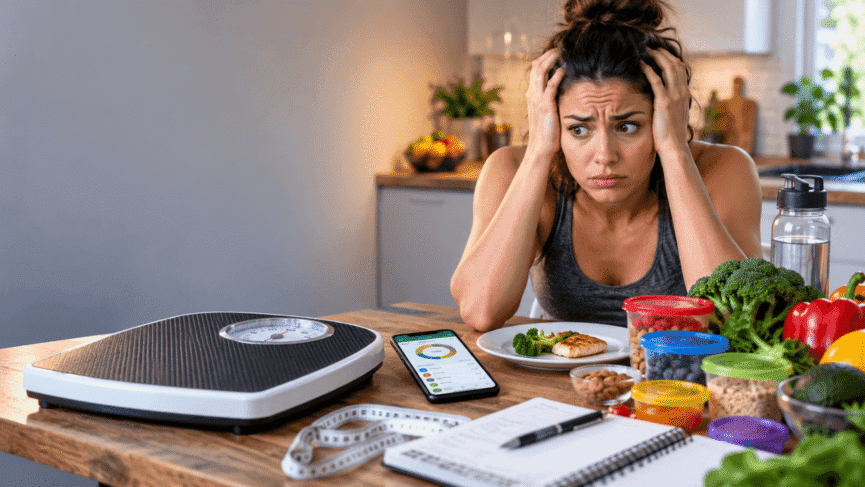
Every season brings on a new diet trend. Keto, intermittent fasting or a yet another joyless meal plan. And every year, the weight quietly piles on.
Let us get this out of the way first: the problem was never your willpower. It was the diet itself. A plan you can’t sustain is not a good plan for you.
Lasting weight loss doesn’t come from counting every single calorie. It comes from the quality of the food on your plate, the same idea behind Dr. Michael Greger’s book How Not to Diet. Before you start another diet, here are five things worth understanding. And pay extra attention to the second one!
Rule 1: Follow a Diet You Can Sustain
Keto, intermittent fasting or whatever’s trending at the moment, any of these can work for a few weeks. But ask yourself honestly, could I really eat this way and be happy? Can I eat this way every single day?
If the answer is no, it is not the diet for you. And the stricter you become with restriction, the more your body craves the very food you try not to consume. The weight then creeps back, maybe even a little extra, and you blame yourself. But it wasn’t you at all. The plan itself was unsustainable and oftentimes even deprived you of key nutrients. It was a plan built with an expiry date.
So, the best diet isn’t the most extreme one. It’s the healthiest one you can actually keep doing.
Rule 2: Understand Calorie Density
Calorie density just means how many calories are packed in a given amount of food. The fact simply is that fat has about 9 calories per gram, protein and carbs about 4, fiber only about 2, and water zero.
So in your plate, 100 calories of oil is one tablespoon, and you barely notice it. Now picture 100 calories of broccoli, a giant bowl you’d struggle to finish. Same calories but a big difference in the amount of food.
That matters because your body doesn’t just count calories; it also senses how much food is in your stomach. Your empty stomach signals to your brain to eat more and your full stomach with protein signals to your brain to stop eating. So the idea is this: foods that are mostly water and fiber, like vegetables, fruits, beans, lentils, and soups, let you eat a bigger, more satisfying plate for far fewer calories.
Instead of fighting to eat less food, choose foods that are naturally lower in calorie density, then eat until you’re genuinely satisfied. Try not just shrinking your plate, but change what’s actually on it. Try to keep a balanced composition with fewer carbs, higher protein, and minimal healthy fats so your body gets adequate nutrition.
Rule 3: Don’t Assume Keto Automatically Means Weight Loss
A plate piled with cheese, butter, oils, and fatty meat while having almost no carbs still carries a huge number of calories.
Keto might work for some people, but it is not because of eating only fat. It’s usually for a simple reason: cutting out a whole food group quietly cuts your calories too. The fast drop marketed in the first week? Most of it is water, not fat, because cutting carbs makes your body release stored water.
Healthy fats are still the most calorie-dense food there is. You don’t have to cut them out. You just have to maintain the portions.
Rule 4: Don’t Become Obsessed With Insulin Spikes
You’ve probably seen the online fear, where every food that raises insulin gets treated like the enemy. But a rise after you eat is normal, it’s your body trying to digest what you have consumed and it is necessary.
Even healthy, protein-rich foods can raise insulin, and that doesn’t make them bad. However it is true that complex carbs and proteins have a lesser spike. So, instead of completely cutting out carbs and having less energy to go about your work, just pair it smartly: add fiber, protein, or healthy fat alongside your carbs and make the rise naturally flatten out.
Rule 5: Don’t Ignore Your Gut
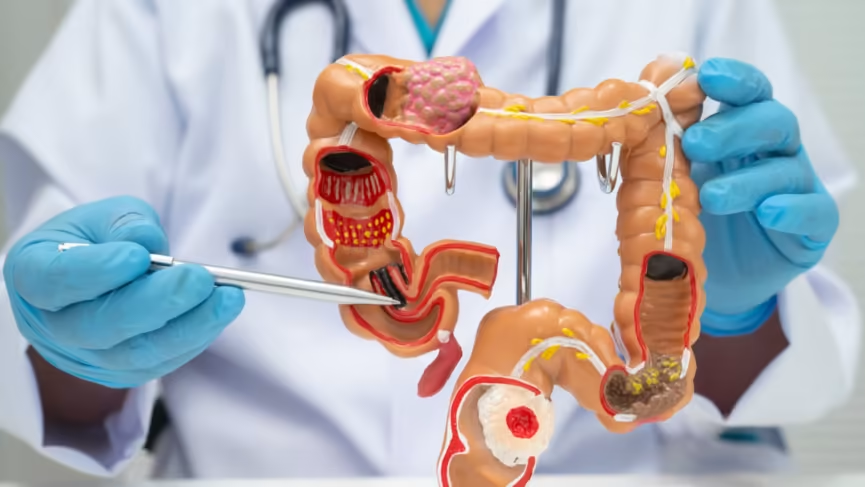
Inside you are trillions of good microbes in our gut and most of us don’t feed them nearly enough fiber. Fibre from beans, lentils, vegetables, fruits, and whole grains, produce helpful compounds called short-chain fatty acids that support your gut lining and improve our insulin sensitivity.
We also have to increase variety in fibre we take. In the American Gut Project, people who ate 30 different plants a week had far more diverse, healthier gut bacteria than those who ate 10 or fewer. And since a “plant” isn’t just broccoli, nuts, seeds, beans, whole grains, herbs, and spices all count, which makes variety much easier than it sounds.
Also, everyday foods, like yogurt or kimchi, and a wider range of plants will do far more than any pill.
The Bottom Line
The takeaway here is that strict diets, stricter diet “rules” are not built for sustainability or long term health. Instead build most of your meals around vegetables, fruits, legumes, whole grains, and enough protein. Still enjoy your oils, cheese, nuts, and seeds, just respect the portions, because they’re calorie-dense.
That’s it. Because the best diet isn’t one you can survive for 30 days. It’s one you can actually enjoy, and sustain, for years.
Frequently Asked Questions
So do calories not matter at all?
They do, calories are real. The point is that counting them shouldn’t be your only concern. By building meals around low-calorie-density foods, you naturally eat fewer calories without having to track every bite.
What’s the easiest first step?
Add in instead of cutting out. If you want noodles, add a few veggies, some grilled chicken and some nuts, so you end up satisfied while having what you wanted! Add a big serving of vegetables, beans, or soup to your meals so you’re fuller on fewer calories. It’s easier to add good food than to constantly deny yourself the rest.
Is keto bad for me, then?
Not necessarily, it works for some people. Just know that the dramatic first-week drop is mostly water, and that fats are calorie-dense, so portions still matter. The best plan is still the one you can sustain.
Do I really need to count 30 plants a week?
It’s a helpful target, but the real goal is to be mindful of variety. Even adding a few new plants, herbs, seeds, or beans each week nudges your gut in a healthier direction.
Should I get a continuous glucose monitor?
For most people without diabetes, it’s not necessary and can cause needless worry over normal blood sugar rises. Focus on your overall eating pattern instead. If you have diabetes or a specific medical reason, that’s a conversation for your doctor.
Medical Disclaimer
Disclaimer: This article is for educational purposes only and is not a substitute for professional medical advice, diagnosis, or treatment. If you have diabetes, a medical condition, or take medication that affects blood sugar or weight, talk to a qualified healthcare professional before making major changes to how you eat.
References
- Greger, M. (2019). How not to diet: The groundbreaking science of healthy, permanent weight loss. Flatiron Books.
- McDonald, D., Hyde, E., Debelius, J. W., Morton, J. T., Gonzalez, A., Ackermann, G., … Knight, R. (2018). American Gut: An open platform for citizen science microbiome research. mSystems, 3(3), e00031-18. https://doi.org/10.1128/msystems.00031-18
- Rolls, B. J. (2009). The relationship between dietary energy density and energy intake. Physiology & Behavior, 97(5), 609–615. https://doi.org/10.1016/j.physbeh.2009.03.011