Blog

  • Explore the Hidden Dangers of Child Obesity

    Explore the Hidden Dangers of Child Obesity

    What are the side effects of child obesity?

    I am sure you have heard the news. According to a CDC report, about 14.7 million children are affected by obesity. Here is what you need to know. Childhood obesity is a growing concern that has significant long-term effects on your child’s health. Obesity in children can lead to various chronic conditions that were once associated only with adults.  Physically, obesity increases the risk of various medical conditions, including type 2 diabetes, high blood pressure, asthma, and sleep apnea. It puts children at a higher risk for joint problems and early onset of cardiovascular disease. The effect, however, is not only limited to the physical findings. Children who are obese also suffer psychologically. Obesity can lead to low self-esteem, depression, and social isolation due to teasing or bullying.  Another thing to note with obesity is that obese children are likely to carry their weight into adulthood, increasing these health risks over their entire lifespan. 

    Thus, it is important to address childhood obesity as a serious health condition. Talk to your doctor if you want to know more, and follow ehealthyinfo

  • Anaphylaxis Emergency Response

    Anaphylaxis Emergency Response

    5 things to do during Anaphylaxis

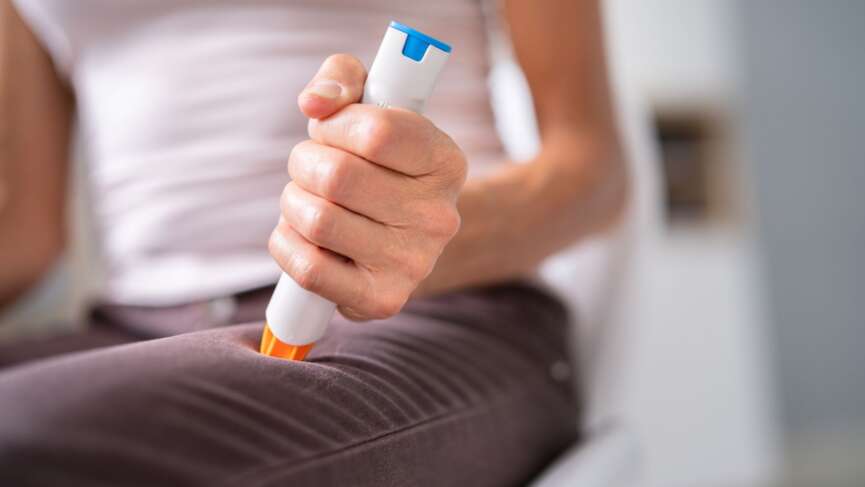
    1. First thing first. Use the Epi-pen if you have one. The instructions for use are on the injector.
    2. Call 911 immediately. Then, tell them that you suspect an anaphylactic reaction, and follow their instructions. 
    3. While help is arriving, make the person lie down and, if possible, raise their legs. If the person is pregnant, they should be turned on their left side.
    4. If it’s an insect sting, try to remove the stinger from the skin.
    5. If symptoms persist after five minutes, use the Epi-pen again.

    Remember, being informed and prepared can save lives. 

  • What is Attention-Deficit/Hyperactivity Disorder (ADHD)?

    What is Attention-Deficit/Hyperactivity Disorder (ADHD)?

    What is ADHD?

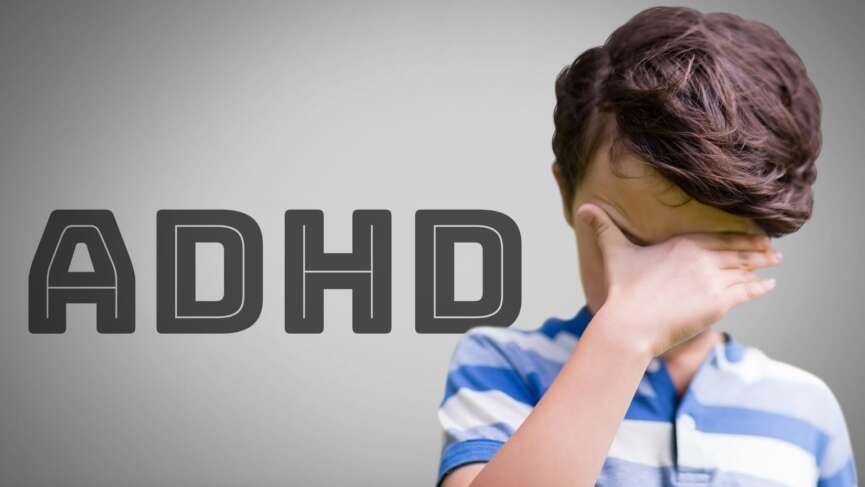
    Did you know about 6 million children in the US have ever been diagnosed with ADHD? Here is what you need to know about ADHD. According to the national survey of parents from 2016-2019,  about 6 million children aged 3 to 17 years have ever been diagnosed with ADHD. ADHD or attention deficit hyperactivity disorder, is a neurodevelopmental condition where a person suffers from persistent inattention, hyperactivity, and impulsivity. While most cases of ADHD are diagnosed before the age of 12, some individuals may be diagnosed as adults if the condition went unrecognized during childhood. 

    ADHD Causes

    The exact cause of ADHD is unknown however, various factors like genetic, neurological, and environmental factors are involved in causing ADHD. There is no single cause. Genetics plays a significant role, with studies indicating that it often runs in families. Brain structure and functional differences, particularly in areas related to attention and impulse control, is sometimes responsible for ADHD.  Even, environmental factors such as prenatal exposure to tobacco or alcohol, premature birth, and low birth weight increase the risk of ADHD.

    ADHD Treatment

    While there’s no cure for ADHD, managing it is possible. In children, a combination of educational support, parental guidance, and medications can help. For adults, medication is often the primary treatment, complemented by psychological therapies like Cognitive Behavioral Therapy. 

    I hope this was helpful. Talk to your doctor to learn more about ADHD. Subscribe to our channel ehealthyinfo.

  • The 4 Stages Of Migraine Headaches

    The 4 Stages Of Migraine Headaches

    I am sure you have heard about migraine. This is what you need to know. Migraine is more than just headaches – It is a complex neurological condition that affects millions of people worldwide. Migraines are believed to involve abnormal brain activity, including changes in neurotransmitter levels, blood flow, and nerve signaling. While the exact cause of these terrible headaches is not fully understood, genetic and environmental factors definitely play a role. Migraine headaches typically last from a few hours to several days and have four phases.

    Phases Of Migraine Headaches

    1. The first phase is prodrome, which may precede the headache by hours or even days. It includes symptoms like mood changes, food cravings, fatigue, and sensory sensitivities. 
    2.  Some people also experience the second phase, called aura. Aura involves temporary neurological disturbances such as visual disturbances or sensory changes. 
    3.  The third phase is the headache itself, marked by a severe throbbing headache, usually on one side of the head, and can occur with nausea, vomiting, or sensitivity to light and sound. 
    4.  Following the headache, the postdrome phase sets in, leaving you feeling fatigued, mentally foggy, and sometimes experiencing mood changes. Some call it a migraine hangover. 

    I hope this video was helpful. Stay tuned for our video on triggers for migraines and their treatment

  • Migraine Headache Treatment

    Migraine Headache Treatment

    Migraine Treatment in a Minute

    Is migraine disrupting your life? We’ve got you covered with effective treatment options. 

     The treatment of migraine revolves around two approaches:

    1.  The first one is managing the acute condition. Acute treatments provide immediate relief during an attack and can be achieved with the help of over-the-counter pain relievers like acetaminophen and ibuprofen. If your headache is not relieved with over-the-counter medications, your doctor may prescribe triptans or ergotamine for acute relief. Triptans, like sumatriptan, help treat moderate to severe migraines, while ergotamine is most effective during the early stages of migraines.
    2. The next management approach is preventive, and it aims to reduce the frequency, severity, and duration of migraines. Preventive treatment includes blood pressure medications like beta blockers, anticonvulsants like topiramate or valproate, and tricyclic antidepressants like amitriptyline. These medications, originally meant for other conditions, showed efficacy in preventing severe migraine attacks, and thus, they have been accepted as the common standard of care for migraine.

    Other than medical management, lifestyle modifications like stress management, avoidance of triggers, and alternative therapies like biofeedback can help.

    Talk to your doctor to learn more about the best treatment options, and follow ehealthyinfo for similar videos. 

  • ADHD In Females Vs Males?

    ADHD In Females Vs Males?

    ADHD in Females

    1. According to CDC estimate in 2016, the prevalence of ADHD in women was 5.6%, and that in men was 12. 9%. It is believed that the prevalence of ADHD in females is often underestimated as it is underdiagnosed. 
    2. ADHD in females can be different than that of men and may not always fit the stereotypical behavioral pattern. Instead, females may exhibit more symptoms, such as difficulty concentrating, daydreaming, and feeling overwhelmed than men. 
    3. Girls with ADHD may have academic difficulties similar to boys with the disorder. However, because their symptoms may not be as outwardly disruptive, their struggles often get overlooked or attributed to other factors such as laziness or lack of intelligence. 
    4. The diagnosis of ADHD in females can be more challenging than in men due to the subtler presentation of symptoms and societal expectations. 
    5. With undiagnosed ADHD, women are more prone to develop co-morbidities like psychiatric disorders like anxiety, depression, or bipolar disorder.

    I hope this was helpful. Talk to your doctor to learn more, and follow ehealthyinfo for more information like this. 

  • How Does Influenza Cause Pneumonia?

    How Does Influenza Cause Pneumonia?

    How does influenza cause pneumonia?

    Have you ever wondered how influenza and pneumonia are related?

    Let me clarify that for you. 

    Flu is a highly contagious viral infection caused by influenza virus that can spread easily from person to person, usually when an infected person coughs or sneezes while Pneumonia is a serious infection or inflammation of the lungs. Microorganisms like bacteria, viruses, or fungi can cause it.

    Influenza is one of the causes of pneumonia, seen mostly in vulnerable groups such as in elderly folks, pregnant women, and those with chronic health conditions like diabetes or heart failure. This is due to the weak immune system of these groups of people. 

    While not all people who get the flu develop pneumonia, those who develop pneumonia tend to have more severe and deadly symptoms. 

    Vaccination for the flu is the best way to prevent an influenza infection. Talk to your doctor today about the flu and why vaccination can prevent you from catching the flu. 

  • The Main Causes of Dry Eyes

    The Main Causes of Dry Eyes

    6 Causes of Dry Eyes

    You likely have dry eyes if your eyes hurt and you feel uncomfortable. Let me tell you five causes of dry eyes.

    1. Extended Screen Time

    Prolonged hours in front of a computer can decrease natural blinking, leading to tear evaporation and faster eye drying.

    2. Contact Lens Use

    Contact lens wearers may experience dry eyes, especially in specific conditions, due to the impact on moisture levels.

    3. Environmental Factors

    Your surroundings matter. If you stay in a windy, cold, dusty, smoky environment, an air-conditioned or heated space, you may have dry eyes. 

    4. Medications

    Certain drugs, like antidepressants and blood pressure medications, can reduce tear production, causing dry eyes. If you are taking these drugs and have dry eyes that are affecting your daily life, you might need to talk to your doctor to know more.

    5. Autoimmune Conditions

    Some conditions, like Sjögren’s syndrome or lupus, can cause dry eyes. These conditions can also dry other parts of the body. 

    6. Age Factor

    Aging can contribute to reduced tear production and an increased likelihood of experiencing dry eyes.

  • What Are the Diagnostic Tests for Osteoarthritis?

    What Are the Diagnostic Tests for Osteoarthritis?

    How can your doctor say that you have osteoarthritis?

    Doctors look at your symptoms to diagnose osteoarthritis. The symptoms often include knee pain and stiffness, especially when you stand up after sitting for a long time. If you’ve had knee pain that comes and goes for a long time, or if your knees look bent or have extra bumps, it’s usually a sign of osteoarthritis.

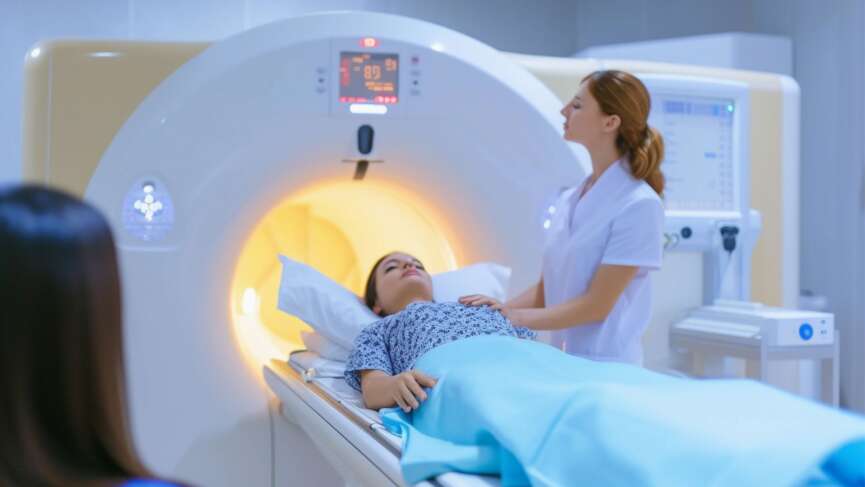
    To confirm, your doctor might take an X-ray of your knee. This X-ray helps them see if the space inside your joint is getting smaller, a common sign of osteoarthritis. You might sometimes need an MRI of the knee, especially if a torn ligament or meniscus is suspected.

    Sometimes, doctors perform blood tests to rule out other causes of symptoms. They might also take a fluid sample from your joint to check for other causes of joint pain, like infection or gout.

    If you’re having joint pain or think you might have osteoarthritis, Get it checked out.

  • Is Strep a Bacterial or Viral Infection?

    Is Strep a Bacterial or Viral Infection?

    Sore throat vs Strep Throat

    Do you want to know the difference between strep throat and a regular sore throat? You are in the right place. In this video, we will explain the four main differences between them. 

    1. Causes: Strep throat is caused by bacteria called streptococcus pyogenes, while most of the sore throats are caused by viral infections, such as the common cold or influenza virus.
    2. Presentation: Strep throat often presents with a sudden onset of severe sore throat, fever, swollen lymph nodes, and sometimes white patches on the tonsils or throat. However, viral sore throats typically have less severe symptoms and may be accompanied by cough, runny nose, or congestion. 
    3. Diagnosis: To diagnose strep throat, your doctor might order a rapid strep test or swab culture, while viral infection usually does not require specific tests. 
    4. Treatment:  Strep throat requires antibacterial medication, whereas a sore throat can be managed with simple remedies like salt water gargling, lozenges, or warm beverages. 

Sign Up to Our Newsletter

Be the first to know the latest updates