In this blog post, we will delve into everything you need to know about gout, including its causes, symptoms, and diagnosis. We will also provide a detailed overview of the most effective treatment options available, including medications, dietary and lifestyle changes, and natural remedies. Whether you are experiencing gout symptoms for the first time or have been living with the condition for years, our guide is designed to give you the tools and information you need to take control of your health and start feeling better.
What is Gout?
Gout is one of the most common causes of intense joint pain. This intense pain is caused by a build-up of more uric acid crystals in the joint and surrounding tissues. These crystals cause inflammation in one or more joints, which leads to intense pain.
A gout flare can occur over several hours, where a person may suffer from redness, swelling, pain, and warmth over any of their affected joints. Uric acid crystals can also form hard lumpy deposits in the skin called tophi.
Untreated gout can affect any joint. However, the small joints of the feet and hands are affected more often. Gouty form of arthritis can present with painful form swelling in the joints, most often in the feet, and most commonly affects the big toe.
What is Uric Acid? Why is it Measured in Gout?
Uric acid is a substance produced during the digestion of certain foods and drinks. People with gout might have high levels of uric acid. However, it is interesting to remember that many people with high uric acid levels do not develop gout. If you have gout, your body has increased uric acid levels in the blood and the uric acid may deposit as urate crystals in and around your joints over time. These crystals can cause inflammation of the joint leading to severe and painful gout attacks or chronic forms of arthritis.
Who is More Prone to Gout?
Anyone can get gout. However, the following are some of therisk factorsthat increase the chances of someone getting it.
A healthy diet with high quantities of red meat, seafood, shellfish, red meat, and organ meats such as liver is high in purines.
Consumption of sugary drinks and eating foods high in fructose increases uric acid levels in our bodies, making us prone to gout.
Excessive alcohol intake also has a very significant role in the risk of developing gout.
People with obesity and high blood pressure have a higher rate of gout than the average population.
Chronic kidney disease increases the risk of developing gout as the kidneys do not function properly and are not efficient in getting rid of enough uric acid from the body.
Certain medications like diuretics, especially thiazide diuretics, increase uric acid levels in our body, leading to gout.
Men are more likely to have gout than women.
How Does a Doctor Diagnose Gout?
Most gout gets diagnosed when people visit their doctor after suffering from joint pain. Thus, you must see your doctor immediately if you have joint pain. Your doctor will ask you about your history of joint pain, examine your joints, and ask if you have current medication plans.
Your doctor may withdraw fluid from an affected joint using a needle and syringe and study the joint fluid under a microscope, looking for urate crystals. Gout is diagnosed if the doctor detects uric acid-based crystals in the affected joint. Uric-based crystals also can be found in deposits (called tophi) that can appear under the skin. Tophi occur when you have advanced gout.
Your doctor can also order blood tests to ascertain your uric acid levels. High uric acid levels with joint pain could indicate gout. Interestingly, blood uric acid levels may be normal to low during gout attacks. It should be noted that some people who do not have gout can also have increased uric acid levels. X-rays and ultrasounds are imaging studies that help assess the severity of gout.
How is Gout Treated?
There is no cure for gout, but treatment for it does exist. Your doctor will tailor your treatment plan based on the number of joints involved, the nature and frequency of gout attack (flare) kidney functions, and/or other health conditions.
What Do You Do in Case of a Gout Flare?
If you have a gout flare, your doctor can prescribe anti-inflammatory medications, including colchicine and Nonsteroidal anti-inflammatory drugs (NSAIDs) like Ibuprofen or oral steroids depending on the number of joints and severity of the illness and coexisting medical history conditions and certain medications. These anti-inflammatory medications are effective if they are taken early during a gout attack and help to relieve pain and swelling. They are usually taken for several days to a few weeks until the gout flare has subsided.
Colchicine has been used to treat gout for many years and is very effective. However, some people can not tolerate it due to its side effects, such as nausea, vomiting, or diarrhea. Your doctor can decrease your colchicine dosage if you have side effects or have pre-existing kidney or liver disease.
For any joint inflammation, it is highly recommended to rest the affected joint and apply ice packs or cold compression to alleviate the pain.
What to Do After a Gout Flare?
After your gout flares have subsided, your doctor can prescribe you medications that can lower uric acid levels over time. This is particularly helpful in preventing or lessening gout attacks/flares. The target uric acid level in gout treatment is 6 mg/ dL or lower to dissolve or prevent crystals.
Your doctors may recommend taking medications to decrease uric acid levels in the body, especially those with repeated gout flares, high blood uric acid levels, or kidney stones. These medications, however, do not help the painful flares of acute gout, so gout patients should start taking them only after the acute attacks subside.
Allopurinol, followed by febuxostat (Uloric), is the most commonly used drug to reduce uric acid’s blood levels to normal. These drugs act by blocking the production of uric acid. Your doctor may choose an alternate medication regimen for you with a drug called Probenecid that utilizes the kidneys to remove uric acid from the body. It is usually prescribed for patients with good kidney functions. There are many other drugs on the market that your doctor can prescribe to treat gout. These drugs are to be taken for the long term (ranging from months to years).
When to See a Rheumatologist?
Gout treatment can be complex when someone has comorbidities like kidney or liver problems and is prescribed other medications. Your primary care physician can treat most instances of gout. However, your primary care physician may refer you to a rheumatologist if you have persistent gout or a medical condition like heart disease or kidney disease that limits you from taking certain gout medications. A rheumatologist can work with you, explore your medication choices, and help manage your gout flare to maintain normal uric acid levels, which will eventually help you prevent joint damage.
Medication and Lifestyle Changes to Prevent Further Gout Attacks
Since gout affects your quality of life, you will benefit from undertaking lifestyle changes to get your gout under control to prevent gout attacks and chronic joint pain. Here are some steps that can help you control your gout.
Take medication as prescribed and adhere to the treatment plan.
Work on losing weight if you are overweight or obese.
Limit or cut down on alcoholic drinks.
Remain hydrated. Make sure you are drinking an adequate amount of water.
Avoid or decrease intake of certain food such as red meat, seafood, and sugary drinks.
Questions For Your Doctor
How did I get gout?
How long will it take for the symptoms to subside?
Is it necessary to test the fluids from my joints?
How long should I take medicines? Is it a lifelong commitment?
What lifestyle changes should I undergo to control my gout?
Stroke is one of the leading causes of death and disability in the United States. It can happen at any time or place. A stroke can come on suddenly, and its effects can be devastating. If you suspect someone is suffering from a stroke, call 911 immediately. Time is of the essence in the treatment of stroke.
What is an Ischemic Stroke?
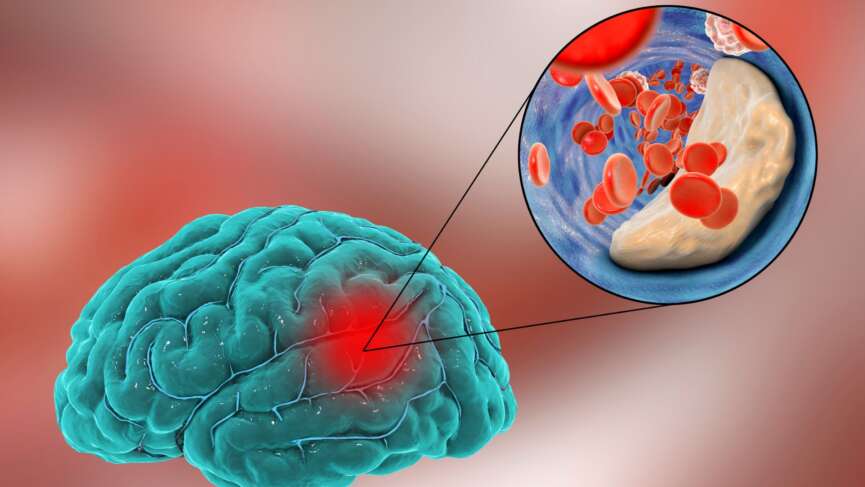
An ischemic stroke is caused by decreased blood flow to the brain, damaging brain cells. A stroke is usually caused by a blocked blood vessel. When a blood vessel is blocked, oxygen and nutrients cannot be delivered to brain cells. The brain cells then stop functioning and die.
You might have also heard of a transient ischemic attack (TIA) or a mini stroke. A mini stroke is a temporary episode of brain dysfunction due to decreased blood flow. This sometimes precedes a stroke.
Stroke is one of the leading causes of death and disability in the United States. It can happen at any time or place. A stroke can come on suddenly, and its effects can be devastating. If you suspect someone is suffering from a stroke, call 911 immediately. Time is of the essence in the treatment of stroke.
What Are The Symptoms of Ischemic Strokes?
You can have various symptoms when the brain lacks blood flow. Your symptoms depend on which part of the stroke affected the brain. Some common signs of ischemic strokes include:
Numbness or weakness of the face, arm, or leg, especially on only one side of the body
Confusion or trouble speaking
Trouble seeing with one or both eyes.
Difficulty walking, dizziness, or loss of balance or coordination
Severe headache with no known cause
If you think someone may be having ischemic strokes, you can use the FAST Mnemonic to check.
F: Face: Look in the mirror and smile or ask the person to smile. Check if one side of the face is drooping.
A: Arms: Raise both arms. Check if you can raise both arms fully and if one arm glides downwards when you lift both arms.
S: Speech: Repeat a simple phrase, like “Hello, I live in the US.” Note if the speech is slurred or if they have difficulty speaking.
T: Time: Act fast. Time is critical during a stroke.
Your symptoms might differ from your neighbor, friend, or family members. If you see any of these signs or are even concerned about a stroke, call 911 right away. Some treatments for stroke work are effective only in the first few hours after the symptoms appear.
Who is at Risk For Ischemic Strokes?
It is essential to understand the risk factors for stroke. Common risk factors for ischemic strokes include:
Age older than 50 years
High blood pressure
High cholesterol levels- specifically LDL cholesterol
Diabetes
Smoking
Sedentary lifestyle and lack of exercise
Abnormal heart rhythm is called atrial fibrillation
Personal history of heart and coronary artery diseases
Family history of heart or and coronary artery diseases
Previous history of stroke or a Transient Ischemic Attack (TIA)
Medical conditions that increase blood clotting or blood vessel inflammation
We understand that you can not change some risk factors like your family history of stroke, age, race, or ethnicity. However, you can work on modifiable risk factors such as high blood pressure, diabetes, and smoking, and adopt a healthy lifestyle to lower your chances of stroke.
How is an Acute Ischemic Stroke Diagnosed?
Your doctor will take a detailed history and examine for signs of stroke. An imaging study of the brain is needed to diagnose a stroke. Computed Tomography (CT) of the brain is the most common imaging study to detect a stroke. The CT scan is widely available in hospitals and can be performed quickly. A quick CT scan of the head helps ensure that there is no bleeding in the brain. The changes caused in your brain by an ischemic stroke might not be evident on a CT scan within a few hours. In this case, Magnetic Resonance Imaging (MRI) of the brain will help get a better picture of the brain tissue, areas affected by stroke, and blood vessels supplying the brain with oxygen. Your doctor will also have you take other imaging studies, such as an ultrasound of the carotid arteries which are large blood vessels around the neck, and an ultrasound of the heart commonly called an Echocardiogram.
You will be admitted to a hospital and monitored closely after a stroke. In addition to your treatment for stroke, your doctor will monitor your blood pressure closely along with the electrical activity of the heart with a heart monitor. Your doctor will also require blood tests to check for diabetes and cholesterol levels to gauge risk factors for stroke for a better treatment plan.
Treatment of Acute Ischemic Strokes
Prompt attention and treatment are crucial for stroke treatment. If you notice any warning signs of stroke, you need to call 911 immediately. Since strokes attack the brain, a person having a stroke may not be able to call 911 as they might not be able to reach a phone or even talk over the phone. Time is the most critical factor in stroke treatment. The faster you can get to a hospital and seek medical help, the better your chances of recovery. Do not wait to see if the symptoms get better on their own.
Immediate stroke treatment can save someone’s life and improve the chances of a successful recovery. For instance, if a patient with a stroke gets medical help in the first few hours after a stroke, doctors can inject thrombolytic medicines into their bloodstream to dissolve blood clots. Thrombolytics are most effective only within 4.5 hours of the onset of stroke symptoms. Depending on the blocked artery in the brain, TPA restores blood flow to the brain in an estimated 10% to 50% of cases. TPA decreases the risk of long-term disability after acute ischemic stroke but is associated with increased brain bleeding risk. Thus, if TPA is given more than 4.5 hours after stroke symptoms begin, it can cause more damage.
Your doctor will weigh the risks and benefits of this strong intravenous blood thinner and take your consent before giving it to you. Therefore, when possible, it is essential to record the exact time that you or someone around you first noticed stroke symptoms and the time that you have last seen well.
What is Mechanical Thrombectomy in Acute Ischemic Stroke?
Acute ischemic stroke is mainly caused by the blockage of large blood vessels in the brain. Specially trained neurologists or interventional radiologists may be able to treat the blockade by removing the blood clot in the vessel physically. This procedure is called mechanical thrombectomy. This procedure is usually beneficial if done within 24 hours after the first onset of stroke symptoms.
In this procedure, a catheter is guided to the affected blood vessel in the brain through an artery in the arm or leg. The process is monitored using continuous X-ray imaging to ensure there are no errors. Your neurologist can remove the blood clot using suction or a wire mesh trap. If you are a candidate for mechanical thrombectomy, your chances of recovery are better than with blood thinners alone.
However, these procedures require highly trained physicians and advanced equipment. Mechanical thrombectomy is also not available at every hospital. Smaller hospitals may transfer you to a larger facility where mechanical thrombectomy can be performed if you are a candidate for the procedure.
What Medications to Take After an Ischemic Stroke?
Patients after a stroke are generally asked to be on aspirin or clopidogrel (commonly known as Plavix) to reduce the risk of future strokes. Your neurologist may recommend being on a combination of aspirin and clopidogrel for a short term before transitioning you to an antiplatelet medication. Your doctor will also put you on a strict treatment plan for high blood pressure and cholesterol after a stroke.
Your doctor will advise you to quit t tobacco use if you smoke or chew tobacco products. Your doctor will either make you undergo screening for diabetes or intensify treatment for diabetes if you have uncontrolled diabetes to decrease your risk for a second stroke. Your doctor may discharge you home with a remote heart monitoring device to check for any irregular heart rhythm that could have led to a stroke. If cardiac arrhythmia as atrial fibrillation is found on home heart monitoring, you might be a candidate for stronger blood thinners (warfarin/Eliquis/Xarelto) to prevent further episodes of stroke.
What is Carotid Artery Stenting? What is its Role in Ischemic Strokes?
Carotid arteries are the blood vessels on each side of the neck and carry blood and oxygen to the brain. Over time, narrowing of these arteries can occur, which is called carotid artery stenosis.
Doctors usually diagnose carotid artery stenosis with an ultrasound of the carotid arteries but sometimes use a computed tomography (CT) or magnetic resonance imaging (MRI) angiography of the neck to evaluate the anatomy and blood flow in the blood vessels. Most patients with carotid artery stenosis never have symptoms but when the carotid vessels are narrow, you might be at an increased risk of stroke. If someone has 70% stenosis and had a recent stroke, your doctor may consider you for carotid stenting, carotid endarterectomy, or Trans carotid Artery Revascularization (TCAR). The risks and benefits of this procedure should be discussed with a clinician, as not every patient benefit from it.
A stent is a hollow tube designed to fit and cover a blood vessel’s walls and allow blood to flow through it. Carotid artery stenting is a procedure where a small metal tube or stent is placed through the site of the stenosis to keep the artery open and restore blood flow through the vessels again.
Role of Rehabilitation After a Stroke
People are often left with significant impairments after a stroke depending on the brain vessels involved. Some people are often left with weakness or numbness in their hands and legs. Some are left with vision problems, slurred speech, and issues with swallowing. Others face difficulties with language, balance, and coordination.
Rehabilitation after a stroke can be carried out in hospitals, nursing facilities, outpatient offices, clinics, or at home. Formal rehabilitation programs commonly last for up to 3 or 4 months, but if improvements are substantial, patients may continue their recovery in the program.
The main goals for a patient after a stroke are to regain function and independence and optimize recovery, possibly to their baseline health. The stroke rehabilitation process involves a multidisciplinary team, as noted below:
Physical therapists: Help with improving balance and walking.
Occupational therapists: Help with improving function in daily activities such as bathing, dressing, and putting on, among others.
Speech and language therapists: Treat issues with speech and language, swallowing, and thinking.
Physiatristsand rehabilitation neurologists: Medical doctors specializing in rehabilitation and coordinating care.
Tips for Preventing Ischemic Stroke
You can reduce your risk of stroke by adopting a healthy lifestyle. Learn your risk factors for stroke and make sustainable goals to make lifestyle changes.
Eat a healthy diet. Choose a diet low in sodium with plenty of fruits and vegetables.
If you are obese, work on weight loss. Maintain a healthy weight
Be physically active
Do not smoke and avoid secondhand smoke
Limit alcohol usage
Prevent or manage other health conditions, including high blood pressure, high cholesterol, diabetes, and obesity.
Questions For Your Doctor?
. What are my chances of having a second stroke?
What lifestyle changes would help me prevent a second stroke?
What is the role of rehabilitation after a stroke? Do I need to be admitted to a rehabilitation center for a recovery program?
How long should I be on a blood thinner?
Do I need to take a blood thinner if I bleed easily?
Our elderly population can be diverse, ranging from healthy, active, and healthy octogenarians to extremely frail, totally dependent people with chronic disease and severe disabilities. As people age, their body composition changes, which has an impact on their nutritional status. Malnutrition is a common problem among elderly individuals, which is defined as the state of being poorly nourished.
What Do You Mean by Malnutrition?
Malnutrition or poor nutrition leads to serious health problems such as anemia, osteoporosis, impaired immune function, non-healing wounds, and prolonged time to recover from illnesses. It may be caused by the lack of one or more nutrients (undernutrition) or an excess (overnutrition). Weight loss and malnourishment come in the elderly population in different forms.
Wasting: An involuntary weight loss primarily caused by inadequate dietary intake. It may be attributable to disease and psychosocial factors and occurs with a background of cachexia, sarcopenia, or both.
Sarcopenia: An involuntary loss of muscle mass, a natural element of aging rather than a disease affecting older people.
Cachexia: An involuntary loss of fat-free mass caused by catabolism and changes in body composition. It is characterized by a raised metabolic rate and increased protein degradation. Cachexia is often accompanied by anorexia, fatigue, and muscle weakness. It can be caused by chronic conditions such as cancer, HIV/AIDS, rheumatoid arthritis, heart failure, and COPD.
What Are the Causes of Malnutrition?
One can be at high risk for malnourishment due to multiple factors ranging from a poor appetite/ inadequate energy intake and nutrients, difficulty chewing or swallowing, and certain medications/ polypharmacy. It is easier to simplify the causes of malnutrition based on medical, lifestyle, and psychological factors.
1. Medical factors
Poor appetite.
Loss of taste and smell.
Respiratory, gastrointestinal, endocrine, neurological disorders, and other disease conditions.
Drug interactions (digoxin, metformin, antibiotics)/polypharmacy interactions leading to Nausea, Vomiting, and loss of appetite.
With old age- anemia, asthenia, and anorexia may be associated with underlying cancers (Gastric, colon).
2. Lifestyle and social factors
Lack of knowledge about fresh food, cooking, and nutrition
Isolation/loneliness
Poverty
Inability to shop or prepare fresh food
Ongoing smoking and substance abuse
Lack of transportation
Limited income
Poverty
Social isolation/ Physical limitations
3. Psychological factors
Confusion
Anxiety
Dementia
Depression
Bereavement
How is Malnutrition Diagnosed?
There are no generally accepted criteria for diagnosing malnourishment in the elderly. Your doctor may do a quick Mini Nutritional Assessment (MNA) and Nutritional Risk Screening (NRS) to identify malnutrition in the clinic quickly. Your doctor will focus on the following points to evaluate the nutrition degree.
Record your history Low body weight or changes in appetite/ Significant weight loss. e.g., 10 lbs in the last month. Reasons for a diminished nutritional intake.
Physical examination Anthropometric values: Body Mass Index (BMI) of less than 20 kg/m2 and calf circumference of less than 31 cm. You can use this user family BMI calculator from National Heart, Lung, and Blood Institute(Calculate Your BMI – Standard BMI Calculator (nih.gov). Evaluate if you have problems with swallowing. General muscular atrophy, loss of subcutaneous fat, muscle wasting.
Documentation of oral intake.
How Will Your Doctor Treat Malnutrition?
Malnutrition treatment is a step-by-step process. Your doctor will ask why you have a poor intake or what is the reason behind losing muscles despite good intake. The treatment involves:
Dietary counseling with or without oral nutritional supplements. You might benefit from protein-rich supplements- and it comes in different flavors.
Supportive intervention: A pleasant eating environment in institutions, sharing mealtimes with others, nutritional information and education, and food security.
Nutritional counseling: Usually with a nutritionist or a registered dietitian
Food modification: Food fortification, texture-modification of food.
What Are the Signs to Look for Malnutrition in the Elderly?
Involuntary weight loss
Fatigue
Muscle weakness
Decreased ability to fight off infections.
Low body mass index
Muscle wasting
How Can We Prevent Malnutrition in the Elderly Population?
Elderly people with poor nutrition are at a higher risk for malnutrition and physical health problems, which can further contribute to their decline in mental health. Adequate nutrition is essential for brain health systems and function and a diet lacking in essential nutrients such as vitamins B12, folate, and omega-3 fatty acids can contribute to depression, anxiety, and other symptoms including mental health problems. Some strategies that can help prevent malnourishment in this population include:
Encourage a healthy diet: Consume a well-balanced diet that consists of a range of nutrient-rich foods, such as fruits, vegetables, lean meats, and whole grains.
Make meals more appealing: Make meals more appealing by attractively serving them, using colorful plates and garnishes. Offer a variety of fresh food to make mealtime more enjoyable.
Keep meals simple: Avoid overly complicated recipes or dishes that may be difficult to chew or swallow.
Small, frequent meals: Instead of three large meals, distribute smaller, more frequent meals throughout the day. This may be simpler for the person to handle and prevent hunger.
Make sure the individual has access to healthy fresh food: Ensure that the individual has easy access to healthy, nutrient-dense foods, and consider delivering meals if necessary.
Address any physical or cognitive challenges: If the individual has physical or cognitive challenges that make eating difficult, work with a healthcare professional or occupational therapist to find ways to overcome these challenges.
Monitor the individual’s weight: Regularly monitoring the individual’s weight can help to identify any potential malnourishment early on so that it can be addressed promptly.
Myths on Malnutrition
All older adults need the same type of diet.
Older adults should avoid all dairy products.
Supplements can replace a healthy diet.
Older Adults need to eat less as they get older.
Malnutrition is a normal part of the aging process.
Weight loss is healthy.
5 Facts You Need to Know About Malnutrition
Body fat mass increases at about 75 years of age and then decreases or remains stable.
The pattern of fat distribution has been linked with an increased risk of stroke, diabetes, hyperlipidemia, heart disease, and hypertension, all of which are common conditions that affect the elderly.
The central accumulation of fat increases with aging while appendicular fat mass decreases.
The impact of malnourishment appears to be more severe than in younger adults.
5 Tips for Nutritional Support at Home
Add dried fruit, chopped nuts, bacon pieces, cheese, mayonnaise, and avocado as a topping, and use butter or olive oil when cooking which will increase calorie intake without increasing volume.
Spread meals into several small ones throughout the day rather than just three large ones.
Those who experience the taste and odor alterations can also benefit from eating more often throughout the day.
Drinking liquid is frequently much simpler than eating, especially if you have a limited appetite.
Higher-calorie beverages such as whole milk, shakes, smoothies, and oral nutritional supplements can be taken between meals instead of alongside meals.
Things to Note if You Have an Elderly at Home
Appetite pattern: Age-related physiological changes and the individual’s environment, temperament, current health, and pharmaceutical regimen can affect hunger.
Dehydration: Dehydration can lead to seizures, low blood volume, low blood pressure, increased thirst, decreased urination, dark urine color, dizziness, weariness, and confusion.
Dentition: Chewing becomes more challenging as people age; hence, older people may become hungry earlier and eat less.
Taste and smell changes: Favorite foods can sometimes taste “too salty,” “too sweet,” or “too bland,” which makes people less interested in eating them.
Difficulty in swallowing: Some older adults may cough more frequently while eating, which can indicate swallowing issues and cause them to eat less.
Questions For Your Doctor
What is causing my malnutrition?
What treatment options are available?
How can I improve my nutritional intake?
Are there any supplements or medications that can help to improve my nutritional status?
How can I make meals more appealing and easier to eat?
Are there any resources available to help me access healthy, nutrient-dense fresh food?
How often should I follow up with you to monitor my progress?
Are there any potential complications that I should be aware of?
How can I prevent malnutrition in the future?
References
Hickson, M. (2006). Malnutrition and aging. The postgraduate medical journal, 82(963), 2-8.
Norman, K., Haß, U., & Pirlich, M. (2021). Malnutrition in older adults—recent advances and remaining challenges. Nutrients, 13(8), 2764.
Ervin RB. Healthy Eating Index scores among adults, 60 years of age and over, by sociodemographic and health characteristics: United States, 1999–2002. Advance data from vital and health statistics; no 395. Hyattsville, MD: National Center for Health Statistics. 2008
Bauer, J. M., Volkert, D., Wirth, R., Vellas, B., Thomas, D., Kondrup, J., … & Sieber, C. C. (2006). Diagnosing malnutrition in the elderly. Deutsche Medizinische Wochenschrift (1946), 131(5), 223-227.
Hypertension is often called the “silent killer” because it has no noticeable symptoms. Many people with hypertension do not know they have it because they do not feel sick. People with very high blood pressure may experience symptoms such as:
Headaches
Blurred vision
Dizziness or lightheadedness
Chest pain
Difficulty breathing/shortness of breath
Nausea
Bloody urine
Causes and Types of High Blood Pressure
There are many potential causes of hypertension; in some cases, the exact cause is unknown.
More than 90% of the time the cause is unknown. High blood pressure can be divided into two broad categories- Primary and Secondary high blood pressure.
1. What is Primary Hypertension?
Primary hypertension is high blood pressure most likely caused by environmental and genetic factors. It accounts for 90-95% of adult hypertension cases, It is strongly associated with risk factors like age (risk increases with advancing age), obesity, family history, race, diet (high salt diet), alcohol consumption (>8 drinks/week), physical inactivity.
2. What Do You Mean by Secondary Hypertension?
Secondary hypertension is high blood pressure that is caused by other medical conditions. In many cases, secondary hypertension may coexist with risk factors associated with primary hypertension.
The common cause of secondary hypertension include:
● Oral contraceptives (particularly those with higher levels of estrogen)
● NSAIDs (chronic use of nonsteroidal anti-inflammatory agents)
What Are The Risk Factors for Developing High Blood Pressure?
Age: Your risk increases as you get older.
Family history: If your parents or siblings have hypertension, you are more likely to develop it.
Race: Some racial and ethnic groups, such as African Americans, are more likely than other groups to develop hypertension.
Lifestyle factors: Habits such as smoking, excessive alcohol consumption, and a sedentary lifestyle can increase the risk of hypertension.
Diet: A diet high in salt, and saturated fat can contribute to hypertension.
Obesity: Obesity or being overweight increases a person’s risk of developing hypertension.
Chronic conditions: Certain medical conditions, such as diabetes and kidney disease, can increase the risk of hypertension.
Stress: Hypertension can develop as a result of prolonged stress.
How Is a Diagnosis of Hypertension Made?
Your doctor will diagnose you with high blood pressure when your blood pressure readings consistently range from a systolic blood pressure of 130 mm of Hg and above or diastolic blood pressure of 80 mm Hg and above. If your blood pressure is consistently high, your healthcare provider may recommend additional tests to determine the cause and the best treatment course.
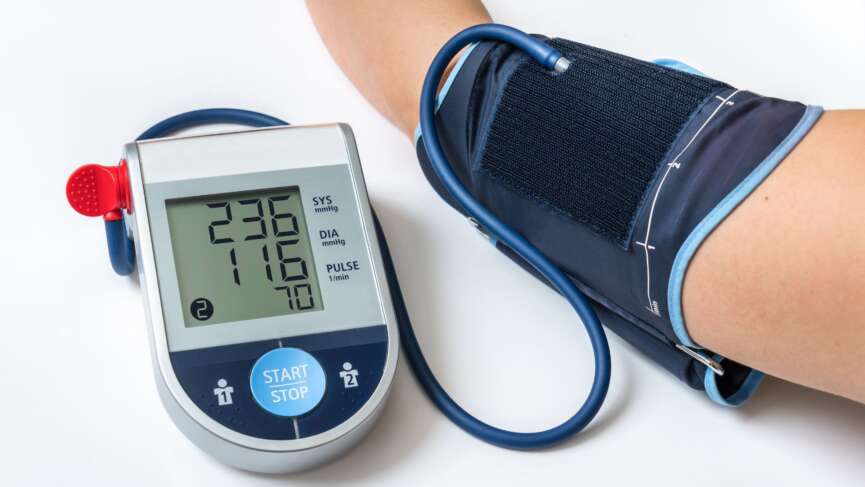
Some people with high blood pressure may have “white coat hypertension,” which means that their blood pressure is elevated when they are in a doctor’s office but normal when they are at home or at rest. In these cases, a healthcare provider may recommend monitoring blood pressure at home or using a portable blood pressure monitor to get a more accurate diagnosis.
Process of ambulatory measurement of blood pressure (measurement of blood pressure at home is more reliable than in hospital settings)
Things to Avoid While Checking Blood Pressure at Home
Buy an instrument with an appropriate cuff size by validating with a doctor beforehand
Check your blood pressure twice, first in the morning before taking medicine and then in the evening preferably at the same time each day.
Avoid food, caffeine, tobacco, and alcohol for 30 minutes before taking a measurement.
Sit quietly for 5 minutes on the chair before you take the reading.
Place the cuff on bare skin and not over clothing.
Arm should be positioned at the level of the heart, resting on the table or arm of the chair.
Do not repeat blood pressure measurement before 3 minutes on the same arm..
High Blood Pressure Treatment
Treatment for hypertension begins with lifestyle changes, such as following a healthy diet, exercising regularly, and limiting alcohol consumption. These changes can help to lower blood pressure and reduce the risk of related health problems. Your doctor will discuss this with you and can choose from numerous types of medications to manage high blood pressure:
Diuretics: By helping the body to remove excess water, these medications can lower blood pressure.
Beta-blockers: These medications lower blood pressure by reducing heart rate and relaxing blood arteries.
ACE inhibitors: These medications relax blood vessels and lower blood pressure by inhibiting the production of an angiotensin II hormone.
Calcium channel blockers: These medications relax blood vessels and lower blood pressure by blocking the movement of calcium into cells.
Ways to Lower Blood Pressure
Correct knowledge and management strategies about hypertension can prevent you from hypertension. You can do the following things to lower your chances of developing hypertension or high blood pressure.
Adopting a healthy lifestyle: Eating a balanced diet, being active, and avoiding tobacco and excessive alcohol consumption.
Maintaining a healthy weight: Maintaining the weight that is appropriate for your height and body type by determining Body Mass Index (BMI) should be taken for this measure.
Underweight: BMI less than 18.5
Normal weight: BMI of 18.5 to 24.915
Overweight: BMI of 25 to 29.9
Obese: BMI of 30 or higher
Reducing stress: Engaging yourself in relaxation techniques or counseling can be helpful.
Limiting salt intake: A diet high in salt can contribute to hypertension.
Getting enough sleep.
Monitoring blood pressure regularly: Checking your blood pressure regularly (twice a day) can help you identify any potential issues early on and take steps to address them.
Seeking medical attention if needed: If you are experiencing symptoms such as severe headache, chest pain, or difficulty breathing, you should seek medical attention immediately, as these could be signs of a more serious medical condition.
Supplements to Lower Blood Pressure
Several dietary changes can help to lower blood pressure and manage hypertension. These include:
Consuming a diet high in nutrients and fiber: fruits, vegetables, and whole grains
Limiting the intake of sodium in your diet(<1.5-2.3g/day)
Eating less processed and packaged foods
Eating more potassium-rich foods: bananas, sweet potatoes, avocados, and spinach.
Limit alcohol intake (Alcohol consumption is limited to one drink per day for women and two drinks per day for men, and can change the systolic BP by 5mm of Hg)
If you have had high blood pressure for a long time, you are at a higher risk for the following conditions.
Heart attack
Stroke
Heart failure
Vision loss
Sexual dysfunction
Kidney disease/ failure
When To See Your Doctor for Treatment of High Blood Pressure?
If you have sustained high blood pressure readings, it is necessary to see your doctor immediately. This is especially important if you have no previous diagnosis of hypertension and have not made any lifestyle changes that could be contributing to high blood pressure. Before visiting a doctor, a record of the BP chart (of at least a week) can be maintained and can be taken along with during the next appointment.
If you have been taking medications for hypertension, it is important to see your doctor regularly to monitor your blood pressure and make any necessary adjustments to your treatment plan.
It is important to consult a doctor right away if you have any symptoms of hypertension. Additionally, it’s crucial to visit a doctor if you have other hypertension risk factors or a family history of the condition.
Questions For Your Doctor?
What are the potential complications of high blood pressure if left untreated?
What lifestyle changes can I make to help manage my blood pressure?
Are there any medications that can help lower my blood pressure? What are the possible side effects?
How often will I need to check my blood pressure?
Will I need to see a specialist, such as a cardiologist?
Is there a specific diet or exercise plan that you recommend for people with hypertension?
Can you recommend any resources or support groups for people with hypertension?
Myths on High Blood Pressure- What isn’t Entirely True?
High blood pressure is only a problem for older people: While it is true that the risk of hypertension increases with age, anyone can develop high blood pressure, including young people and children.
High blood pressure has no symptoms: Although many people with hypertension are symptom-free, some may develop headaches, dizziness, and shortness of breath. Hence, it is essential to have regular blood pressure checks.
Only people who are overweight or obese develop high blood pressure: Excess weight is not the only factor for hypertension, other risk factors shouldn’t be overlooked.
You must continue taking blood pressure medicine for the rest of your life after you start: Although some hypertensive people may need to take medication for the rest of their lives, many people control their blood pressure by modifying their lifestyles.
High blood pressure is not a severe condition: Serious health issues might result from untreated high blood pressure, such as heart attack, stroke, kidney damage, and vision loss. Diagnosing and treating hypertension is vital to reduce the risk of these complications.
Mrs. Amelia, a 40-year-old schoolteacher, complains of her inability to sleep. She’s experiencing fatigue and cannot concentrate on work. She regularly goes to bed at 10 PM but cannot fall asleep until 1 AM. Her general health is good. How can we help her sleep?
What is Insomnia?
Anyone can have sleeping problems. You can have trouble falling asleep, staying asleep, or getting a night of good quality sleep. This is insomnia, a sleep disorder that disrupts your sleep pattern. Poor sleep can cause fatigue, moodiness, or trouble functioning during the day. Insomnia can come and go, but it can also last for a long time.
Sleep is a vital aspect of life, whether it is the quantity or quality of sleep. Sometimes, we are so busy with life that we barely have time to stop and rest. Getting a good night’s sleep can be a dream when we are so busy taking care of our careers and families and trying to make ends meet. We often think sleep is “downtime” in which our tired brains get to rest. However, we often overlook that sleep is vital, and without regular quality sleep, we are at risk of many diseases, including heart disease, stroke, or even dementia.
Acute Insomnia
Acute insomnia is short-term insomnia that lasts several days to a few weeks. These short episodes of poor sleep are often triggered by recent stressful events that can be physical, psychological, or related to family and friends. These short bursts of sleepiness usually improve as the stress goes away, but they can also be a chronic sleeping issue.
Chronic Insomnia
While we may sometimes have difficulty falling asleep, waking up in the early morning, or being unable to go back to sleep, chronic insomnia occurs if this sleeping pattern occurs for at least three nights per week over at least three months. You should talk to a healthcare provider if you have chronic insomnia.
What Are the Causes of Insomnia?
Insomnia can occur due to various factors and can happen to anyone. Here are some factors that may cause insomnia.
Age: Insomnia is more common in older adults.
Sex: Insomnia is more common in women than in men. This could be due to hormonal changes during pregnancy or menopause which can cause problems with sleep.
1. Medical Conditions and Medications
Certain medical conditions: If you have conditions such as pulmonary disease, heart failure, cancer, or chronic pain, you are at higher risk of sleep problems, depression, or anxiety disorder.
Use of certain medications: You are at higher risk if you are on blood pressure drugs, corticosteroids, and antidepressants.
2. Environment or Occupation
Your job can affect your sleep health: You may have insomnia if you shift or night work or travel often to different time zones. A loud noise or distracting sleep environment can cause insomnia: This happens when your sleep-wake cycle (a pattern that your body uses to figure out when to sleep and when to be awake) is disturbed. If you have to sleep in noisy places or very high or low temperatures, it can affect your sleep quality.
3. Lifestyle
Daytime napping reduces the need for sleep at night.
Your everyday routine often changes, including your sleep schedule.
Frequent interruptions during sleep, such as waking up frequently to care for a baby or to answer a phone call during nighttime.
Inactivity during the day.
Use of caffeine, nicotine, alcohol, or recreational drugs.
You might have a habit of watching bedtime movies or using cell phones for a long time in bed before you sleep.
Stress and Insomnia are common when you overthink work, school, or money.
How Will Your Doctor Diagnose Insomnia?
If you have trouble sleeping for more than a few weeks and your sleeping problem has affected your lifestyle, performance, and work life, do not hesitate to seek help from your doctor.
Your doctor will need to know about your sleep habits and could ask questions about your regular health as well. The doctor can question you about your sleep habits. Some potential questions are:
How often do you have trouble sleeping?
How long have you been dealing with sleep problems?
When do you go to bed? Do you get up at the same time every day?
How long does it take to fall asleep?
Do you wake up in the middle of the night? How often do you wake up at night?
How long does it take to fall asleep after waking up?
How do you feel when you wake up the following day after sleeping, tired or refreshed?
Do you use electronic devices like a mobile phone or watch TV before bed?
Your doctor may inquire regarding your regular health to look for any medical reason that could have caused your sleeping problems. The questions may include:
Do you have any new or chronic medical problems?
Have you started taking any new medicines?
Are you pregnant or going through menopause?
Do you use caffeine, nicotine, alcohol, or illegal drugs?
Your doctor may ask you to write a sleep diary to know more about your sleep pattern.
What is a Sleep Diary?
A sleep diary can help your doctor understand your sleep pattern and activities that have affected your sleep, but you might not have noticed them. A sleep diary is a daily log of when you go to sleep, wake up, and take naps. You will also need to write down how sleepy you feel throughout the day. You need to include when you drink caffeine or alcohol and exercise in the sleep diary. Maintaining a sleep diary will help your doctor determine the severity of your sleep problem. It is advised to keep a sleep diary for at least one to two weeks before seeing your doctor.
There is no specific blood test to diagnose insomnia. A sleep study is not generally recommended but may be considered if sleep apnea is suspected (such as for people with obesity or those who snore loudly during sleep).
How Can You Get Back Your Restful Nights?
The main goal while treating insomnia is to improve your sleep and quality of life as safely as possible. Your doctor will discuss healthy lifestyle habits such as maintaining a regular sleep schedule, cognitive behavioral therapy for insomnia, and medicines to help you manage your insomnia.
If you have had insomnia for a short period,your doctor will talk with you about relaxation strategies and ways to help with the stressor causing you to have difficulty sleeping. Sometimes, your doctor might advise the short-term usage of medications to help with sleep.
If you have chronic Insomnia, the first line of treatment is Cognitive Behavior Therapy Insomnia (CBTI). CBTI can teach you how to improve your sleep habits and help you cope with stress or anxiety, affecting sleep. You will need to learn bedtime relaxation strategies that best suit and help you.
CBTI also gives behavioral recommendations, including establishing a wake-up time, restricting time in bed, reserving the bed strictly for sleeping and intimacy, avoiding naps, and recommending against caffeine, alcohol, use of electronic screens, and exercise close to bedtime.
The CBTI lasts 4 to 8 weeks and can be combined with medications. Nondrug treatment is preferred because of its long-term effectiveness and safety.
There are various over-the-counter (OTC) medications available in your local pharmacies solely for insomnia, and your doctor has various options to prescribe , but these are not always effective.
Melatonin is an OTC drug used by older adults and residents of long-term care facilities. Although heavily used by many, it is not a panacea for insomnia experienced by elderly patients. However, melatonin can be helpful in specific clinical situations and replace other hypnotic agents, given its comparatively favorable side effect profile. Most medications used for sleep also have risks (especially in older people), including increased frequencies of falls, confusion, daytime sleepiness, and later dependence on the medicine. Please talk with your doctor about the medication that best suits you (if at all) and how to use them safely.
Tips For Healthy Sleep
Good sleep is always a top priority for best health practices. Sleep is a biological necessity we can not undermine. Following healthy sleep habits and a regular schedule is vital to maintaining a regular sleep-wake cycle. Simple lifestyle changes can improve your odds of having a restful night’s sleep.
Sleep schedule: Ensure a regular sleep schedule by going to bed at the same time and waking up around the same time every day. You will need to stick to this routine, even on the weekends.
Sleep-friendly bedroom: Ensure the bedroom is calm, quiet, and dark. It is essential to avoid looking at electronic devices or watching TV before sleep. The bright light from these sources can disrupt your sleep-wake cycle.
Avoid caffeine, nicotine,and alcohol close to your bedtime. These habits are unhealthy for your sleep as they can stimulate your body and make it more difficult for you to fall asleep. Although alcohol can sometimes make it easier to fall asleep, it tends to cause a lighter than usual sleep, and you are more likely to wake up during the night.
Get regular physical activityduring the daytime. Exercise at least 5 to 6 hours before bed. Exerting your body closer to bedtime can make it harder to fall asleep. Try to exercise for 30 minutes every day.
Avoid naps, especially in the afternoon, if you have problems sleeping during the night. Staying awake throughout the day may help you sleep longer at night.
Eat daily meals on a regular schedule. Avoid late-night dinners and snacks.
Limit water intake close to bedtime: This may help you sleep longer without waking up and in the bathroom during the night.
Stress management: Follow a routine that helps you wind down and relax before bed. You can start by picking up a habit of reading a book and listening to soothing music before bed. You might try massage therapy, meditation, or yoga to help you relax.
Avoid certain over-the-counter and prescription medicines as much as possible. Talk with your healthcare provider about which treatments will not disrupt your sleep and which could help you sleep well.
Questions For Your Doctor
What treatment is best for my insomnia?
Do I need to use sleeping pills?
How can I safely use medicines for sleep? Will melatonin or other over-the-counter medicine help?
Do you think I have an underlying medical condition or medication that worsens my insomnia?
How can I get started with CBTI? What are the resources in my local community?
What if CBTI does not work for me?
Should I see a sleep specialist? Do I need a sleep study?
References
Krystal, A. D., Ashbrook, L. H., & Prather, A. A. (2021). What Is Insomnia? Journal of the American Medical Association, 326(23), 2444. https://doi.org/10.1001/jama.2021.19283
Papillon-Ferland (Pro), L., & Mallet (Con), L. (2019). Should melatonin be used as a sleeping aid for elderly people? The Canadian Journal of Hospital Pharmacy, 72(4). https://doi.org/10.4212/cjhp.v72i4.2920
Mary is a 45-year-old woman recently diagnosed with hypothyroidism. She was prescribed Levothyroxine by her primary care provider. What advice do you have for her?
What is Hypothyroidism?
The thyroid gland is a small butterfly-shaped organ in the lower front of the neck. The thyroid gland produces thyroid hormones. Thyroid hormones aid the body’s energy usage and keep our brain and other vital organs warm. Individuals who have a lesser amount of thyroid hormones in their blood are hypothyroid. Hypothyroidism occurs when the thyroid organ cannot produce enough thyroid hormones to maintain the body’s functioning.
What Are the Causes of Hypothyroidism?
Your thyroid can be underactive and not make enough thyroid hormones for multiple reasons.
The most common reasons include:
Check TSH in 6 to 10 weeks after a thyroxine dose change.
TSH should be checked if you take any medicine that interferes with your body’s ability to use thyroxine. Talk to your doctor if you are pregnant or are planning a pregnancy.
The main goal of your treatment is to get and maintain TSH in the normal range.
Once you have been prescribed a thyroxine dose, you can return for TSH tests about once a year.
What Are The Symptoms of Hypothyroidism?
When thyroid hormone levels are low, the body’s cells cannot get enough fuel, and different processes in the body start slowing down. As a result, you may experience fatigue, cold intolerance, constipation, or weight gain. Some people may also have dry hair and skin, muscle cramps, and depression. Others might not have any symptoms at all. However, if your thyroid gland is underactive, your doctor may be able to find out about it during a routine screening that your thyroid gland is underactive.
How Will Your Doctor Diagnose Hypothyroidism?
Your doctor will take a detailed history of your health and look for changes in your body, such as dry skin, swelling of the body, slower reflexes, and a slower heart rate during your physical examination.
Thyroid-stimulating hormone (TSH) test is the first and most important test to check for hypothyroidism. Other blood tests include measuring the amount of thyroid hormone thyroxine (T4) made by the thyroid gland. Your doctor might also test for antibodies in the blood that attack the thyroid gland (antithyroid antibodies) to help diagnose the cause of hypothyroidism.
Your doctor will do periodic TSH screening tests if you have risk factors for hypothyroidism that commonly include your biological sex being female, if you are getting older if you are white or have type 1 diabetes, Down syndrome, a family history of thyroid disease, goiter, previous hyperthyroidism, and a history of radiation in the head and neck area.
How is Hypothyroidism Treated?
Treating hypothyroidism involves taking a pill daily to replace the thyroid hormone in your body. Levothyroxine, commonly known as Synthroid, is the most commonly prescribed thyroid hormone replacement drug.
Your doctor may start with a small dose based on your need and comorbidities. It is essential to take this medicine with a lot of water and space it between meals (1 hour before or 4 hours after a meal). It is best to avoid taking Synthroid with vitamin supplements that have iron, calcium, or soy as they decrease the drug’s optimal absorption in your body. Your doctor will also order blood tests, which might require several doctor visits to determine your correct dosage. Do note that the benefits of the treatment may not be visible for a month or longer, but this does not mean the treatment is not working.
Hypothyroidism cannot be cured completely. Most people supplement their thyroid hormone with pills for the remainder of their lives; however, hypothyroidism can be controlled in almost every patient. It is best to talk to your doctor to ascertain which options work best for you. Some patients do not feel better after taking Levothyroxine. In this case, your doctor could add T3 (Cytomel) along with Levothyroxine which may be more beneficial.
Diet and Your Thyroid Gland
Diet plays an essential role in managing thyroid disease. Goitrogens are substances that interfere with thyroid hormone production. Goitrogens are present in everyday food items we eat. They are found in broccoli, cabbage, cauliflower, spinach, kale, and Brussel sprouts. Other fruits and vegetables like sweet potatoes, cassava, peaches, and strawberries also have goitrogens. Since these foods are also very nutritious, the benefits of eating them outweigh the risks. Instead of avoiding them, we recommend incorporating high-fiber foods, fruits and vegetables, coconut oil, and probiotics into your dietary plan. Moderation is key in eating food items with goitrogens to maintain your diet and thyroid health.
Things to Consider After Treatment for Thyroid Disease?
Most thyroid problems are lifelong, so supplementary hormones are essential to managing your thyroid health. You will feel well when your thyroid hormone is at the right level. However, this does not mean you stop taking the extra hormones since your gland cannot make enough. You may be able to stop after recovering from thyroid inflammation after pregnancy or thyroiditis after a viral infection, however, you will need to consult your doctor to ensure the underlying condition has been resolved. It is also imperative to follow up with your doctor and monitor your TSH levels regularly.
Check TSH in 6 to 10 weeks after a thyroxine dose change.
TSH should be checked if you take any medicine that interferes with your body’s ability to use thyroxine. Talk to your doctor if you are pregnant or are planning a pregnancy.
The main goal of your treatment is to get and maintain TSH in the normal range.
Once you have been prescribed a thyroxine dose, you can return for TSH tests about once a year.
When To See Your Doctor?
If your symptoms get worse or return.
You want to change the dosage for your Levothyroxine or brand.
You have gained or lost a lot of weight (at least a 10 pounds difference should raise concern).
You have started or stopped taking a drug that can interfere with absorbing thyroxine (such as certain antacids, calcium supplements, medications containing estrogen, and iron tablets), or you have changed your dose of such drugs.
You have not been taking all your thyroxine pills regularly.
You want to stop your thyroxine treatment and medication. Please note that rather than discontinuing taking your pills, you might want to ask your doctor to lower your dose rather than stop taking your pills completely. If your TSH increases with a smaller dose, you will have to continue treatment and medication.
Questions For Your Doctor
How often do I have to take a thyroid function test?
Do I have to take thyroid replacement therapy throughout my life?
How often should I take the medication, and at what times?
What if I forget to take my medicine and remember later? Can I still have them?
What side effects could I have from the medicine?
What if I have side effects from the thyroid medication? How do I manage them?
Will my thyroid medicine interfere with any of my other drugs?
If I don’t take thyroid hormone replacement medicine, what will happen?
What are the differences between generic and brand-name hormone replacement options?
If I am pregnant or planning to become pregnant, do I need to change my thyroid dosage?
Will I need a referral for an endocrinologist to get treatment for hypothyroidism?
Bajaj, J. K. (2016). Various possible toxicants involved in thyroid dysfunction: A review. Journal of Clinical and Diagnostic Research, 10(1). https://doi.org/10.7860/jcdr/2016/15195.7092
If you have a low red blood cell count, you may experience the following:
Tiredness
Shortness of breath
Difficulty exercising or climbing stairs
Dizziness
Pale skin
Headaches
Chest pain
Irregular heartbeat
Low White Blood Cell Count
If you have a low white blood cell count, you may experience the following:
Mouth sores
Repeated fevers and infections. Note: A fever in a patient with aplastic anemia could be serious. Notify your doctor if a fever occurs.
Low Platelet Count
If you have a low platelet count, you may experience the following:
Bruise or bleed easily, even from minor scrapes and bumps
Heavier menstrual periods
Nose bleeds
Tiny, flat red spots under your skin
Bleeding of gums, especially after dental work or from brushing your teeth.
How is Aplastic Anemia Diagnosed?
In the case of aplastic anemia, your doctor will ask you about your symptoms. You might be asked if you have had a fever recently or have undergone chemotherapy or radiation treatments. Your doctor will also inquire about any medications or herbal supplements you have been taking or if you have been exposed to harmful chemicals.
Your doctor can order tests to find out whether you have a low cell count in your blood or bone marrow. They may start with a complete blood count (CBC) test or examine the blood under the microscope (blood smear). The bone marrow test involves a biopsy of your bone marrow to check if you have this disorder. If you have aplastic anemia, the tests will show a few new blood cells being formed. Examining the bone marrow also helps distinguish aplastic anemia from other bone marrow disorders, such as myelodysplastic disorder or leukemia.
If you are diagnosed with aplastic anemia, you might need to get a CBC count regularly. Your doctor will monitor your blood cell count over time and compare them with your previous results to see the drop in your blood count.
Your doctor may order further tests that include: A reticulocyte count (the number of young red blood cells in your blood), erythropoietin (protein made by your kidneys which boosts the bone marrow to make more red blood cells) levels, Iron levels, levels of vitamin B12, and folate (folic acid). A shortage of these vitamins can create abnormal blood cells.
What is a Bone Marrow Biopsy?
A bone marrow test is used to confirm a diagnosis of aplastic anemia. Bone marrow biopsy starts with removing your bone marrow with a hollow needle, typically from the pelvic or breastbone. Your doctor will look at your liquid bone marrow under a microscope and send a sample of your bone marrow to a lab to test for chromosomal (DNA) abnormalities. These tests will help your doctor understand how well or poorly your bone marrow has been making blood cells.
How Will Your Doctor Treat Your Aplastic Anemia?
If you have mild or moderate anemia, you may monitor your blood cell count by getting regular blood work and might not need treatment as long as the condition does not get worse.
If you have severe aplastic anemia, you will need medical treatment and a follow-up to prevent complications resulting in emergency medical care in a hospital. Remember, severe aplastic anemia can be fatal if not treated immediately. Removing the toxin from your surroundings may cure your condition if you have aplastic anemia from exposure to a toxin.
Your doctor will assess your risk factors, ensure you have adequate nutrition, and comply with your prescribed treatment regimen. You will be provided a care plan based on your age, overall health, medical history, and severity of the condition. Your treatment plan will depend on how well you can handle specific medicines and therapies, depending on your preferred options.
Treatment for Aplastic Anemia
Removing toxins from your environment.
Regular blood transfusions (both red blood cells and platelets)
Taking medicines to stop your immune system from destroying stem cells in your bone marrow.
Your doctor can prescribe medicines to help your body make new blood cells. These medicines are called ‘growth factors,’ which are naturally occurring hormones in your body that signal your bone marrow to make more blood cells.
Taking antibiotics, since you will have fewer white blood cells, puts you at a higher risk for infections.
Preventing infections by practicing good hygiene to avoid infection, eating nutritious and well-prepared food, and taking routine vaccinations.
Bone marrow transplants are also an option that has cured aplastic anemia in some people
What is a Bone Marrow Transplant?
A bone marrow transplant is a procedure that replaces unhealthy blood-forming cells in the bone marrow with healthy ones. This test can offer some patients the possibility of a cure, especially those with severe aplastic anemia.
During a bone marrow transplant, your doctor will use healthy blood-forming cells donated by someone else (donor) to place it inside your bones. These healthy blood-forming cells can be donated by a family member, an unrelated donor, or even from the blood in an umbilical cord. Your doctor will destroy your unhealthy bone cells with chemotherapy or radiation. The healthy cells will then be injected into you through an intravenous catheter. The new cells will travel inside your bones and begin making healthy blood cells. Your transplant team will follow up with you closely to prevent and treat any side effects or complications of the marrow transplant.
Living With Aplastic Anemia
Managing your aplastic anemia involves working closely with your healthcare provider and strictly following your treatment plan. Be sure to tell your healthcare provider about any symptoms you show. Since you have a higher risk of infections, you should:
Avoid coming into close contact with sick people.
Avoid large crowds.
Wash your hands regularly.
Avoid foods that are not well cooked.
Brush your teeth regularly.
Get your annual flu shot.
Develop a physical fitness plan.
Take-Home Message
Do not take a diagnosis of aplastic anemia lightly. Regularly following up with your doctor and a treatment plan tailored to your needs and preferences is vital. Seek medical attention if you develop anemia symptoms or fever. Prompt treatment can help lower the symptoms of aplastic anemia and make you feel well again.
Questions For Your Doctor?
Should I take my vaccines? Which vaccines should I avoid?
Do I need a bone marrow transplant?
What are the chances of a cure with or without a transplant?
What are the risks of waiting for a transplant or trying other treatments before a transplant?
What are the side effects of bone marrow transplants? How can the side effects be reduced?
Viral infections such as Epstein-Barr virus, HIV, or hepatitis,
Certain genes that you inherit from families
Toxic substances such as arsenic, benzene, or pesticides
Certain medicines used to treat seizures
Radiation therapy and chemotherapy for cancer
What Are the Symptoms of Aplastic Anemia?
The symptoms of aplastic anemia depend on which blood cells are low in your body. Each of the three blood cell types has a different role:
Red blood cells carry oxygen throughout the body.
White blood cells fight infections.
Platelets prevent bleeding.
Low Red Blood Cell Count
If you have a low red blood cell count, you may experience the following:
Tiredness
Shortness of breath
Difficulty exercising or climbing stairs
Dizziness
Pale skin
Headaches
Chest pain
Irregular heartbeat
Low White Blood Cell Count
If you have a low white blood cell count, you may experience the following:
Mouth sores
Repeated fevers and infections. Note: A fever in a patient with aplastic anemia could be serious. Notify your doctor if a fever occurs.
Low Platelet Count
If you have a low platelet count, you may experience the following:
Bruise or bleed easily, even from minor scrapes and bumps
Heavier menstrual periods
Nose bleeds
Tiny, flat red spots under your skin
Bleeding of gums, especially after dental work or from brushing your teeth.
How is Aplastic Anemia Diagnosed?
In the case of aplastic anemia, your doctor will ask you about your symptoms. You might be asked if you have had a fever recently or have undergone chemotherapy or radiation treatments. Your doctor will also inquire about any medications or herbal supplements you have been taking or if you have been exposed to harmful chemicals.
Your doctor can order tests to find out whether you have a low cell count in your blood or bone marrow. They may start with a complete blood count (CBC) test or examine the blood under the microscope (blood smear). The bone marrow test involves a biopsy of your bone marrow to check if you have this disorder. If you have aplastic anemia, the tests will show a few new blood cells being formed. Examining the bone marrow also helps distinguish aplastic anemia from other bone marrow disorders, such as myelodysplastic disorder or leukemia.
If you are diagnosed with aplastic anemia, you might need to get a CBC count regularly. Your doctor will monitor your blood cell count over time and compare them with your previous results to see the drop in your blood count.
Your doctor may order further tests that include: A reticulocyte count (the number of young red blood cells in your blood), erythropoietin (protein made by your kidneys which boosts the bone marrow to make more red blood cells) levels, Iron levels, levels of vitamin B12, and folate (folic acid). A shortage of these vitamins can create abnormal blood cells.
What is a Bone Marrow Biopsy?
A bone marrow test is used to confirm a diagnosis of aplastic anemia. Bone marrow biopsy starts with removing your bone marrow with a hollow needle, typically from the pelvic or breastbone. Your doctor will look at your liquid bone marrow under a microscope and send a sample of your bone marrow to a lab to test for chromosomal (DNA) abnormalities. These tests will help your doctor understand how well or poorly your bone marrow has been making blood cells.
How Will Your Doctor Treat Your Aplastic Anemia?
If you have mild or moderate anemia, you may monitor your blood cell count by getting regular blood work and might not need treatment as long as the condition does not get worse.
If you have severe aplastic anemia, you will need medical treatment and a follow-up to prevent complications resulting in emergency medical care in a hospital. Remember, severe aplastic anemia can be fatal if not treated immediately. Removing the toxin from your surroundings may cure your condition if you have aplastic anemia from exposure to a toxin.
Your doctor will assess your risk factors, ensure you have adequate nutrition, and comply with your prescribed treatment regimen. You will be provided a care plan based on your age, overall health, medical history, and severity of the condition. Your treatment plan will depend on how well you can handle specific medicines and therapies, depending on your preferred options.
Treatment for Aplastic Anemia
Removing toxins from your environment.
Regular blood transfusions (both red blood cells and platelets)
Taking medicines to stop your immune system from destroying stem cells in your bone marrow.
Your doctor can prescribe medicines to help your body make new blood cells. These medicines are called ‘growth factors,’ which are naturally occurring hormones in your body that signal your bone marrow to make more blood cells.
Taking antibiotics, since you will have fewer white blood cells, puts you at a higher risk for infections.
Preventing infections by practicing good hygiene to avoid infection, eating nutritious and well-prepared food, and taking routine vaccinations.
Bone marrow transplants are also an option that has cured aplastic anemia in some people
What is a Bone Marrow Transplant?
A bone marrow transplant is a procedure that replaces unhealthy blood-forming cells in the bone marrow with healthy ones. This test can offer some patients the possibility of a cure, especially those with severe aplastic anemia.
During a bone marrow transplant, your doctor will use healthy blood-forming cells donated by someone else (donor) to place it inside your bones. These healthy blood-forming cells can be donated by a family member, an unrelated donor, or even from the blood in an umbilical cord. Your doctor will destroy your unhealthy bone cells with chemotherapy or radiation. The healthy cells will then be injected into you through an intravenous catheter. The new cells will travel inside your bones and begin making healthy blood cells. Your transplant team will follow up with you closely to prevent and treat any side effects or complications of the marrow transplant.
Living With Aplastic Anemia
Managing your aplastic anemia involves working closely with your healthcare provider and strictly following your treatment plan. Be sure to tell your healthcare provider about any symptoms you show. Since you have a higher risk of infections, you should:
Avoid coming into close contact with sick people.
Avoid large crowds.
Wash your hands regularly.
Avoid foods that are not well cooked.
Brush your teeth regularly.
Get your annual flu shot.
Develop a physical fitness plan.
Take-Home Message
Do not take a diagnosis of aplastic anemia lightly. Regularly following up with your doctor and a treatment plan tailored to your needs and preferences is vital. Seek medical attention if you develop anemia symptoms or fever. Prompt treatment can help lower the symptoms of aplastic anemia and make you feel well again.
Questions For Your Doctor?
Should I take my vaccines? Which vaccines should I avoid?
Do I need a bone marrow transplant?
What are the chances of a cure with or without a transplant?
What are the risks of waiting for a transplant or trying other treatments before a transplant?
What are the side effects of bone marrow transplants? How can the side effects be reduced?
Bill is a 28-year-old man with no past medical history. He goes to college and enjoys playing football. Recently, he has been getting tired quickly and having frequent nose bleeds. His primary care physician referred him to a blood specialist after he had a low platelet count in routine blood tests. His brother has aplastic anemia and has similar symptoms. What information does he need if he gets diagnosed with aplastic anemia?
What is Aplastic Anemia?
Aplastic anemia is a problem with your blood factory. It occurs when your bone marrow (the spongy stuff inside your bones) cannot make enough new blood cells. Sometimes, it is just one type of blood cell that’s affected. However, you often become low on all three types: red blood cells, white blood cells, and platelets. It can develop slowly over time or rapidly, and it can be mild or severe. If your blood count gets very low, it can be life-threatening.
What Causes Aplastic Anemia?
Aplastic anemia is caused by damage to the stem cells inside your bone marrow. It can occur at any time but is more common among teenagers and adults.
Aplastic anemia has many causes. Sometimes, it can occur for no known reason. The most common cause of marrow failure is your immune system attacking and destroying the stem cells in your bone marrow. Typically, your immune system attacks only foreign substances, but it can sometimes attack your body cells. This happens if you have an autoimmune disease; aplastic anemia is one example. You might get aplastic anemia from these causes:
Viral infections such as Epstein-Barr virus, HIV, or hepatitis,
Certain genes that you inherit from families
Toxic substances such as arsenic, benzene, or pesticides
Certain medicines used to treat seizures
Radiation therapy and chemotherapy for cancer
What Are the Symptoms of Aplastic Anemia?
The symptoms of aplastic anemia depend on which blood cells are low in your body. Each of the three blood cell types has a different role:
Red blood cells carry oxygen throughout the body.
White blood cells fight infections.
Platelets prevent bleeding.
Low Red Blood Cell Count
If you have a low red blood cell count, you may experience the following:
Tiredness
Shortness of breath
Difficulty exercising or climbing stairs
Dizziness
Pale skin
Headaches
Chest pain
Irregular heartbeat
Low White Blood Cell Count
If you have a low white blood cell count, you may experience the following:
Mouth sores
Repeated fevers and infections. Note: A fever in a patient with aplastic anemia could be serious. Notify your doctor if a fever occurs.
Low Platelet Count
If you have a low platelet count, you may experience the following:
Bruise or bleed easily, even from minor scrapes and bumps
Heavier menstrual periods
Nose bleeds
Tiny, flat red spots under your skin
Bleeding of gums, especially after dental work or from brushing your teeth.
How is Aplastic Anemia Diagnosed?
In the case of aplastic anemia, your doctor will ask you about your symptoms. You might be asked if you have had a fever recently or have undergone chemotherapy or radiation treatments. Your doctor will also inquire about any medications or herbal supplements you have been taking or if you have been exposed to harmful chemicals.
Your doctor can order tests to find out whether you have a low cell count in your blood or bone marrow. They may start with a complete blood count (CBC) test or examine the blood under the microscope (blood smear). The bone marrow test involves a biopsy of your bone marrow to check if you have this disorder. If you have aplastic anemia, the tests will show a few new blood cells being formed. Examining the bone marrow also helps distinguish aplastic anemia from other bone marrow disorders, such as myelodysplastic disorder or leukemia.
If you are diagnosed with aplastic anemia, you might need to get a CBC count regularly. Your doctor will monitor your blood cell count over time and compare them with your previous results to see the drop in your blood count.
Your doctor may order further tests that include: A reticulocyte count (the number of young red blood cells in your blood), erythropoietin (protein made by your kidneys which boosts the bone marrow to make more red blood cells) levels, Iron levels, levels of vitamin B12, and folate (folic acid). A shortage of these vitamins can create abnormal blood cells.
What is a Bone Marrow Biopsy?
A bone marrow test is used to confirm a diagnosis of aplastic anemia. Bone marrow biopsy starts with removing your bone marrow with a hollow needle, typically from the pelvic or breastbone. Your doctor will look at your liquid bone marrow under a microscope and send a sample of your bone marrow to a lab to test for chromosomal (DNA) abnormalities. These tests will help your doctor understand how well or poorly your bone marrow has been making blood cells.
How Will Your Doctor Treat Your Aplastic Anemia?
If you have mild or moderate anemia, you may monitor your blood cell count by getting regular blood work and might not need treatment as long as the condition does not get worse.
If you have severe aplastic anemia, you will need medical treatment and a follow-up to prevent complications resulting in emergency medical care in a hospital. Remember, severe aplastic anemia can be fatal if not treated immediately. Removing the toxin from your surroundings may cure your condition if you have aplastic anemia from exposure to a toxin.
Your doctor will assess your risk factors, ensure you have adequate nutrition, and comply with your prescribed treatment regimen. You will be provided a care plan based on your age, overall health, medical history, and severity of the condition. Your treatment plan will depend on how well you can handle specific medicines and therapies, depending on your preferred options.
Treatment for Aplastic Anemia
Removing toxins from your environment.
Regular blood transfusions (both red blood cells and platelets)
Taking medicines to stop your immune system from destroying stem cells in your bone marrow.
Your doctor can prescribe medicines to help your body make new blood cells. These medicines are called ‘growth factors,’ which are naturally occurring hormones in your body that signal your bone marrow to make more blood cells.
Taking antibiotics, since you will have fewer white blood cells, puts you at a higher risk for infections.
Preventing infections by practicing good hygiene to avoid infection, eating nutritious and well-prepared food, and taking routine vaccinations.
Bone marrow transplants are also an option that has cured aplastic anemia in some people
What is a Bone Marrow Transplant?
A bone marrow transplant is a procedure that replaces unhealthy blood-forming cells in the bone marrow with healthy ones. This test can offer some patients the possibility of a cure, especially those with severe aplastic anemia.
During a bone marrow transplant, your doctor will use healthy blood-forming cells donated by someone else (donor) to place it inside your bones. These healthy blood-forming cells can be donated by a family member, an unrelated donor, or even from the blood in an umbilical cord. Your doctor will destroy your unhealthy bone cells with chemotherapy or radiation. The healthy cells will then be injected into you through an intravenous catheter. The new cells will travel inside your bones and begin making healthy blood cells. Your transplant team will follow up with you closely to prevent and treat any side effects or complications of the marrow transplant.
Living With Aplastic Anemia
Managing your aplastic anemia involves working closely with your healthcare provider and strictly following your treatment plan. Be sure to tell your healthcare provider about any symptoms you show. Since you have a higher risk of infections, you should:
Avoid coming into close contact with sick people.
Avoid large crowds.
Wash your hands regularly.
Avoid foods that are not well cooked.
Brush your teeth regularly.
Get your annual flu shot.
Develop a physical fitness plan.
Take-Home Message
Do not take a diagnosis of aplastic anemia lightly. Regularly following up with your doctor and a treatment plan tailored to your needs and preferences is vital. Seek medical attention if you develop anemia symptoms or fever. Prompt treatment can help lower the symptoms of aplastic anemia and make you feel well again.
Questions For Your Doctor?
Should I take my vaccines? Which vaccines should I avoid?
Do I need a bone marrow transplant?
What are the chances of a cure with or without a transplant?
What are the risks of waiting for a transplant or trying other treatments before a transplant?
What are the side effects of bone marrow transplants? How can the side effects be reduced?
Chloe is a 24-year-old college student. She was diagnosed with migraine headaches. This headache affects only one side of her face and is more common after a sleepless night. She complains of headaches almost every day. She wants to learn about home remedies to help prevent these headaches.
Headaches in General
Most of us have experienced headaches at least once in a lifetime. However, not all headaches are the same where; they range from irritating to incapacitating. Headaches differ in how severe the pain is and how often you get them. While most do not indicate a severe illness, your healthcare provider must evaluate every new or recurrent headache.
Headaches are treated differently depending on the type they are. Keep track of a logbook of your headaches; this can help your provider figure out what causes them and decide on a treatment plan. Your doctor will discuss your headaches and review the headache logbook. They will review your medical history to help determine the type of headaches you are dealing with. They can also run lab tests and imaging studies for other medical conditions that may cause headaches.
Tension Headache
Tension headaches are the most common type of headache. The pain in tension headaches is a constant and dull pain often described as a band squeezing around the head. They can rise from tension in the head, neck, and shoulder muscles. Tension headaches can build up gradually and can last from hours to days.
Your doctor can treat tension headaches with over-the-counter pain medicines such as aspirin, ibuprofen, or acetaminophen. Stress management and relaxation exercises may help prevent tension headaches. Talk to your doctor so they can recommend lifestyle changes to relax and reduce stress, such as regular yoga, stretching, massages, and other tension relievers.
Migraine Headache
Migraine headaches are the second most common headaches. They are seen more often in women than in men. It differs from other headaches since it causes severe pain and other symptoms. Migraines can present as mild to severe headaches with nausea, light or sound sensitivity, or neurological symptoms. Migraines can be complex and disabling as well. A migraine headache can last from a few hours to several days and affect your day-to-day activities.
Some people can sense the onset of a migraine headache. They usually see spots or stripes or have blurred vision called an aura before a migraine attack. During a migraine, you may experience nausea and be highly sensitive to light, noise, or smell.
Your doctor can treat migraine headaches with over-the-counter pain medicines such as aspirin, ibuprofen, or acetaminophen with caffeine supplements. Your doctor may also suggest migraine-specific medications, such as Imitrex (sumatriptan), or Nurtec (rimegepant) if you have a more severe migraine or may prescribe medications to prevent migraine headaches if you frequently have them.
Cluster Headache
Cluster headaches present suddenly with severe pain on one side of the head and often around one eye. It comes in ‘clusters’ (hence the name) at the same time of day or night for a few weeks. These headaches are more common in smokers and men.
Your doctor can write prescriptions to treat and prevent cluster headaches. They may recommend avoiding alcohol as it can trigger cluster headaches in individuals with it.
Trigeminal Neuralgia
Trigeminal neuralgia presents headaches and painful sensations like an electric shock on one side of the face. Even mild stimulation of your face, such as brushing your teeth, putting on makeup, or even a cold breeze, might trigger a jolt of excruciating pain. The pain comes from the trigeminal nerve, which carries sensation from your face to your brain, and can be started with mild stimulation.
The treatment plan involves using certain anticonvulsant pills, muscle relaxants, injections, or neurosurgery. Talk to your provider to support you in choosing and deciding what treatment best suits you.
Do you Need a Computed Tomography (CT) Scan or Magnetic Resonance Imaging (MRI) of the Head?
Most headaches are diagnosed after carefully considering your history and tracking your headache logbook. While many people with headaches don’t need an imaging study, your doctor might recommend it if you have any of the following symptoms:
You take pain medications for headaches at least three or more times a week.
You experience side effects from your medication.
Your regular medication is not effective in preventing or managing migraines.
The headache is much worse than any previous episodes and is the worst headache of your life.
The headache causes difficulty talking and coordinating movements and triggers visual disturbances.
The headache gets worse when you are leaning over or lying down.
You lose your balance.
The headache sets on rapidly.
You have recurrent headaches and a history of cancer or the human immunodeficiency (HIV) virus.
The headaches are triggered by coughing, straining, lifting heavy objects, bending over, or during sexual activity.
Your migraine aura lasts for more than 1 hour.
You notice weakness on one side of the body or difficulty with walking, speaking, seeing, or understanding which is cause for concern for stroke.
Home Remedies to Prevent Migraines
Most headaches are diagnosed after carefully considering your history and tracking your headache logbook. While many people with headaches don’t need an imaging study, your doctor might recommend it if you have any of the following symptoms:
You take pain medications for headaches at least three or more times a week.
You experience side effects from your medication.
Your regular medication is not effective in preventing or managing migraines.
The headache is much worse than any previous episodes and is the worst headache of your life.
The headache causes difficulty talking and coordinating movements and triggers visual disturbances.
The headache gets worse when you are leaning over or lying down.
You lose your balance.
The headache sets on rapidly.
You have recurrent headaches and a history of cancer or the human immunodeficiency (HIV) virus.
The headaches are triggered by coughing, straining, lifting heavy objects, bending over, or during sexual activity.
Your migraine aura lasts for more than 1 hour.
You notice weakness on one side of the body or difficulty with walking, speaking, seeing, or understanding which is cause for concern for stroke.
Strategies for Headache Prevention in the Summer Months
Don’t let yourself get dehydrated. Drink plenty of water.
Shield yourself adequately from the sun.
Be aware of fragrances in summer products that could trigger potential headaches.
Magnesium-rich foods (Leafy greens, avocado, cashews, almonds, peanuts, and tuna)
Omega-3 foods (fish like mackerel, salmon, cod-liver oil, and herring)
A ketogenic diet (high-fat, low carbohydrate, and adequate protein intake)
Additional Tips for Your Headache
Every headache is different; thus, treatment varies. Finding a quick fix to your headache may not always be possible, and it can take time for your doctor to determine the best treatment plan. Headache treatment requires a partnership between you and your doctor, so communication is essential. Here are some additional tips to help you prevent and manage your headaches:
Always be careful not to overuse headache medications. Overusing pain medications can cause ’rebound’ headaches, which can get frequent and painful.
This may happen if you regularly use the same pain or headache-relieving medication for more than two days a week. Your doctor can prescribe pills to prevent such headaches or closely evaluate your headache to provide appropriate treatment.
Talk to your doctor if you need certain pain-relief medicines for headaches more than three times a week.
Get enough quality sleep.
Try yoga, stretching, massage, and other tension relievers.
Regular aerobic exercises help with headaches.
Do not forget to maintain a headache logbook; it can prove helpful for you and your doctor.
Contact your doctor immediately if you have new, persistent, worsening, or severe headaches.
Questions For Your Doctor
How can I learn more about my migraine?
How can I change my lifestyle to help prevent my headaches?
What foods should I avoid?
What should I do when I feel a migraine is beginning?
John is a 65-year-old man. He has recently noticed swelling in his legs and gets tired more often than he used to. He gets shortness of breath more often when he goes for a short walk. His doctor thinks he could have heart failure.
What is Heart failure?
Our heart acts as a pump. It fills blood while resting and empties when squeezing. The pump doesn’t work properly when it’s too weak or stiff. This failure of the heart’s pumping mechanism is called heart failure. It doesn’t mean the heart has completely “failed” or stopped working.
Heart failure can affect one or both sides of the heart. Our heart has two working parts- the left and the right. In left heart failure, the left side of the heart must work harder to pump the same amount of blood. Similarly, in right heart failure, the right side of the heart has to work harder and is under stress from pumping blood in your body. You will hear your doctor talk about two types of heart failure: systolic heart failure and diastolic heart failure.
Systolic heart failure or Heart failure with reduced ejection fraction (HFrEF): Here, the left ventricle loses its ability to contract normally. The heart can’t pump with force to push enough blood into the bloodstream.
Diastolic heart failure or Heart failure with preserved ejection fraction (HFpEF): Here, The left ventricle loses its ability to relax, and as a result, the heart can’t appropriately fill with blood during the resting period between each heartbeat.
What Are The Signs of Heart Failure?
The symptoms of heart failure depend on how much your heart fails to pump blood in the body. The more your heart grows weaker, the more you may become short of breath, sometimes even when lying down. You may experience fatigue and generalized weakness when you have heart failure. For instance, you will feel short of breath after routine activities like climbing stairs or working in an office or kitchen.
Some people struggle with weight gain due to water retention and abdominal and leg swelling. The symptoms of heart failure can be very slow to show. However, you will know your heart is weakened if you have a heart attack.
How Will Your Doctor diagnose Heart Failure?
Your doctor might suspect you have heart failure based on the symptoms such as swelling of the body or shortness of breath during activities that require low stamina. Most people who develop heart failure might have other underlying heart conditions too. Your doctor will ask you if you have coronary artery disease, high blood pressure, irregular heart rhythm, or a previous heart attack to ascertain if you have heart failure or are at risk.
Your doctor can order a chest x-ray, electrocardiogram (electrical tracing of the heart), and echocardiogram (ultrasound of the heart) to evaluate your heart failure. Blood tests are also available to check if there is an increased strain on the heart.
How Does an Echocardiogram Help?
An echocardiogram is simply an ultrasound of your heart. It uses sound waves to take detailed pictures of your heart which help your doctor evaluate how much your heart is pumping blood and if it is functioning correctly.
What is Ejection Fraction?
An ejection fraction compares the amount of blood in the heart to the amount of blood pumped out. Your doctor might tell you that you have an ejection fraction (EF) in percentage. This percentage helps describe how well the heart pumps blood to the body.
What’s a Normal Ejection Fraction?
A normal heart’s ejection fraction can be between 50 and 70 percent.
You can have a normal ejection fraction measurement and still have heart failure. This is known as heart failure with preserved ejection fraction (HFpEF).
You usually feel fine during regular activities if you have a normal ejection fraction.
How Will Your Doctor Treat Heart Failure?
Your primary care provider or cardiologist will need to tailor your treatment plan for heart failure depending on its cause, symptoms, and ejection fraction. Your symptoms canimprove quickly after starting a treatment plan, but you must not leave your medication plan or stop seeing your doctor if this happens. You will benefit from following up with your doctor every 3 to 6 months, even if you show no symptoms. Many hospital systems and cardiologists have special heart failure clinics that will follow up with you for a long time to ensure your heart is functioning properly.
Many patients with heart failure take diuretics, also called water pills, to remove excess fluid, which helps alleviate symptoms. Many other medications have proven beneficial for patients and allow them to live longer and avoid hospitalization. The doctor must gradually introduce these medications to you so you can tolerate them. Your doctor will slowly add these medications to your treatment plan. Your doctor must ensure your blood pressure, kidney functions, and electrolytes are well maintained while heart failure medications are introduced.
Depending on your ejection fraction, your cardiologist may recommend pacemakers and implantable cardioverter-defibrillators. These devices can help strengthen your heart and prevent life-threatening abnormal heart rhythms. In very advanced heart failure, you might need an artificial heart pump (also known as a left ventricular assist device) or a heart transplant.
When you have a new diagnosis of heart failure, your doctor will evaluate you for coronary artery disease. This disease causes the narrowing of the arteries that supply blood to the heart. Evaluating the coronary arteries might involve taking more images of the heart, called a ‘stress test’ or a percutaneous coronary angiogram. In a coronary angiogram, an interventional cardiologist will introduce a catheter and use dyes to assess flow efficiency in arteries supplying blood to the heart. If the heart’s arteries are blocked or narrowed, the cardiologist can inflate the narrowed arteries with a balloon or put in a permanent stent. This specialized procedure is called Percutaneous Coronary Intervention (PCI). A stent can permanently hold your artery open, resulting in adequate blood flow to the arteries and helping prevent further narrowing of the artery. This specialized procedure is called Percutaneous Coronary Intervention (PCI).
Don’t forget to talk to your doctor regarding lifestyle changes you can make to limit the progression of your heart failure. Diet and exercise are critical to managing heart failure.
Your doctor can prescribe:
Specific medicines to control your blood pressure.
Treat your diabetes to lower blood glucose with diet, exercise, and certain anti-diabetic medications.
Prescribe drugs such as statins (cholesterol-lowering medicines) and aspirin.
What is Cardiac Rehabilitation?
Cardiac Rehabilitation is a program for the heart that involves various activities to stop the progression of cardiovascular disease. This multidisciplinary program helps change the lifestyle of afflicted individuals and, ultimately, decreases hospital readmission and death. It is usually located in or affiliated with your hospital and can consist of 2 to 3 hours sessions per week and lasts 12 to 18 weeks. Talk to your doctor regarding Cardiac Rehabilitation.
Cardiac Rehabilitation activities can include:
Aerobic exercise training
Nutrition counseling
Psychological support
Stress management
Tobacco cessation
Cardiac Health education (especially to manage blood pressure, diabetes mellitus, and high cholesterol)
When do I Join Cardiac Rehabilitation?
Your doctor will recommend you join a Cardiac Rehabilitation Program if you have one or more of the following conditions:
Any heart attack or acute coronary syndrome has occurred within the past year.
Heart failure prevention involves living a healthy lifestyle and proper medical treatment for conditions predisposing one to heart failure.
Some ways to prevent heart failure are:
Regular physical activity (exercise ≥ five days/wk)
Not smoking cigars or cigarettes
Eating fruits and vegetables (4 servings/day)
Having a moderate alcohol intake (a maximum of 1 drink a day). Heavy alcohol usage and binge drinking can weaken your heart muscles.
Avoiding cocaine, amphetamines, or any form of drugs
Other ways to manage conditions that make one more likely to have heart failure are:
Talk to and work with your doctor to manage high blood pressure if you have it.
Managing your diabetes mellitus (high blood glucose) with diet, exercise, and certain anti-diabetic medications with supervision from your physician.
Lowering your blood cholesterol which helps prevent coronary artery disease. Blood cholesterol can build up in the arteries that supply blood to the heart and can result in heart attacks that damage and weaken heart muscles.
A history of heart failure in the family. Your doctor can suggest screening for heart failure and further genetic studies if heart failure runs in your family.
Your heart can be at risk if you have certain cancers and undergo chemotherapy or immunotherapy.
Talk to your doctor about whether your heart function needs to be monitored if you have any of the above underlying conditions.
Salt Restriction in Patients with Heart Failure
Traditionally, patients with heart failure are suggested to restrict their salt intake. Some studies have revealed no reduction of significant adverse effects and hospitalization reduction in patients who restricted their salt intake. However, there was a significant improvement in their quality of life, and progression of the heart disease was slowed down in patients who restricted salt intake. While we suggest people limit their salt intake, it is unnecessary to completely omit salt in their diets.
How Can I Manage Heart Failure at Home?
Heart failure treatment plans need regular monitoring at home. You can make a log book of your weight at least a few times weekly to ensure you have not gained excess water. The logbook can help your doctor decide on what dose of diuretics (water pills) to prescribe to you to help improve your symptoms and alert you about when to call your doctor.
It would be best if you tracked the following in your logbook.
Is my shortness of breath worsening?
Is my normal level of physical activity manageable for me?
Is there any swelling in my body? Do my feet, ankles, and legs look normal or swollen?
Is my weight stable?
Do I have any chest pain? If so, when do they occur?
Call Your Primary Care Provider or Cardiologist’s Office if You Have The Following Symptoms
Frequent, dry cough.
Shortness of breath during normal physical activity.
Increased discomfort or swelling in the lower body.
Sudden weight gain of 2 to 3 lbs within the last 24 hrs
Dizziness or confusion
Trouble sleeping or cannot lie flat due to trouble breathing.
Take Home Message
Heart failure treatment involves a multidisciplinary team, and so, your participation and home monitoring are vital for you to recover. When heart failure is left untreated, your heart can weaken severely and cause life-threatening complications. You will need regular follow-ups with your doctor to control heart failure.
Heart failure can happen to anyone. Do not hesitate to contact your doctor if you suddenly have any new or unexplained symptoms that may indicate a heart problem. It is always better to be safe than sorry, after all.
Questions For your Doctor?
How severe is my heart failure?
What did you learn from my tests and imaging studies? What is my ejection fraction?
What treatment options should I consider for managing my HF?
Are there medications that can help? Do they have any side effects?
How often do I need to see a healthcare professional to monitor my condition?
What symptoms or problems would you want me to notify you of?
Am I a candidate for a heart transplant?
Am I a candidate for a cardiac rehabilitation program? If yes, where can I go for one?
What lifestyle changes will make the most significant difference to my health?
What foods should I avoid?
Do I need to restrict my activities or increase them?
How much water can I take daily, and how do I measure this?
” Mr. Watkins is a 55-year-old war veteran. He recently lost his job and is divorced from his wife. He has been drinking more lately and has recently started using cocaine occasionally too. He told his friend that he no longer saw reason to live, and thoughts of shooting himself have been cropping up in his mind. What can his friend do to help? “
Why Talk About Suicide?
Suicide is the act of killing oneself or harming oneself to the point of death. In the United States alone, CDC reports one death by suicide every 11 minutes. Common methods of suicide are firearms, suffocation, and overdose or poisoning.
In our usual state of mind, it does not make sense why anyone would choose death over life, leaving their family, friends, and loved ones alone and devastated. When someone is under extreme distress from mental health issues or other stressors, it might feel like taking one’s own life is the only way to end the misery. For others, suicidal thoughts might look sudden and come out of nowhere. Usually, thoughts of suicidal thoughts grow gradually over time, and people express those thoughts to others before they act on them. They tend to be ambivalent about it and anything we can do to delay or limit immediate access to tools people use for suicide can save a life.
We are not comfortable talking about suicidal thoughts. It is tough to talk with people close to us as they fear how it might affect others or how they will react. We can detect suicidal thoughts by talking to them, especially by listening to them. Asking others about suicidal thoughts does not increase the chances of having suicidal ideation, contrary to what many people still believe.
The stigma associated with mental health warrants more initiative and activities to increase awareness in the community. On the one hand, there are not enough trained mental health professionals; on the other hand, people hesitate to use available resources. Hence, recognizing those at risk for suicide, providing support, and assisting them in getting resources are crucial to lowering someone’s risk of suicide and improving their mental health.
What are The Risk Factors for Suicide?
People with suicidal thoughts or someone who has attempted suicide may not always look sad or any different than usual. As suicidal ideations get stronger, they might feel like all other doors are closing around them and start believing dying is the only option left. There is no definite way to predict who will or will not attempt to take their own’s life. However, some factors that increase the risk of future suicide are as follows;
Previous suicide attempts
Chronic and severe mental health issues, including schizophrenia, bipolar disorder, and depression
Alcohol and drug abuse
Family history of suicide
History of trauma and child abuse
Social isolation that usually occurs after the death of a spouse or close friend
Access to firearms
What are The Warning Signs of Suicide?
Many people who take their own’s life may not show any signs, but they may leave some clues based on their behavior. The more warning signs a person exhibits, the greater the risk of suicide. The following behaviors are some of the warning signs of suicidality.
Talking or writing about suicide or death.
Withdrawing from friends or family or having a sudden change in friends.
Hurting oneself, such as cutting one’s
Any suicidal behavior, even if not lethal, such as ingesting a small number of pills.
Talking about feeling hopeless or being a burden to others
Abuse of alcohol or drugs
Acting anxious, agitated, or reckless
Eating or sleeping more or less than usual.
Having extreme mood swings
Giving away belongings, including treasured objects
What to Do if a Friend or Loved One Expresses Suicidality?
We must listen to the individual without judgment. Someone talking to you about killing themselves is an emergency and needs immediate attention. Someone responsible and trusted has to accompany the person at all times.
Getting rid of objects that cause harm, fatal or otherwise, does make a difference. If someone has access to firearms, it is essential to take them away. While this is not always easy, ask if they have any plans to carry out a suicide attempt.
Those at immediate risk of hurting or killing themselves should be taken to the hospital immediately. It is best to call 911 for EMS support if they are in immediate danger to themselves and it is unsafe to transport them to ED by other means.
The suicide prevention telephone line or crisis center can be contacted if your friends, family, or anyone else shows signs of suicidal behavior. The program is a federally funded service and is free, available to anyone, and is open 24 hours a day, every day of the week. You can always dial National Suicide Prevention Lifeline (1-800-273-TALK (8255)) or the Crisis Text Line’s number (741741) from your phone. All calls are confidential. Staying in contact and supporting the person after the suicide crisis is very important and shows you care about the person.
It is essential people with suicidal thoughts get help from a licensed mental health professional. You can assist patients in finding or helping them start service with a trained mental health professional.
How Can a Mental Health Professional Help Someone Who Has Suicidal Thoughts or Attempts to Suicide?
A suicide crisis is when someone is attempting to kill themselves or seriously thinking of doing so. Mental health professionals are trained to do a thorough risk assessment of anyone seeking their help and treatment of underlying mental health disorders. Mental health experts work with patients to find the best treatment option, including a medication regimen, to help overcome their crisis and treat any other mental health problems the patient may have. Different treatment modalities, including but not limited to psychotherapy, medications, and safety planning, help overcome the suicide crisis and prevent future suicide attempts. One of the most important parts of safety planning is limiting access to lethal means to harm oneself, such as firearms, pills, or poison. Talk therapy can help people learn about illness and new ways of dealing with stressful situations. Talk therapy helps people who have attempted to take their own’s life recognize their thought patterns and consider alternative actions when they have suicidal thoughts to prevent them from carrying out suicide in the future.
Most mental health problems are chronic and need follow-up services and continued support in the community.
Questions For your Doctor?
Who should I talk to if I am feeling suicidal?
Will I ever get better and stop feeling this way if I talk to a mental health professional?
Is my family member or loved one ready to leave the hospital?
Does my loved one need further treatment and care at home? How can I provide care for them?
Who should my loved one follow up with after discharge? Who will prescribe their medications?
Do I need to bring them for scheduled follow-up appointments?
What should I do to keep my loved one safe and non-suicidal?
What safety plans do you suggest?
What are some warning signs to check if my loved one will commit suicide?
What should we look for after discharge, and when should we seek more help?
Resources for Immediate Help in Suicidal Crisis
Call 911 if you or someone you know is in immediate danger, or go to the nearest emergency room.