Blog

  • Acne – Causes, Symptoms and Prevention

    Acne – Causes, Symptoms and Prevention

    • Whiteheads
    • Blackheads
    • Pimples
    • Nodules, cysts, or both (deep and painful)
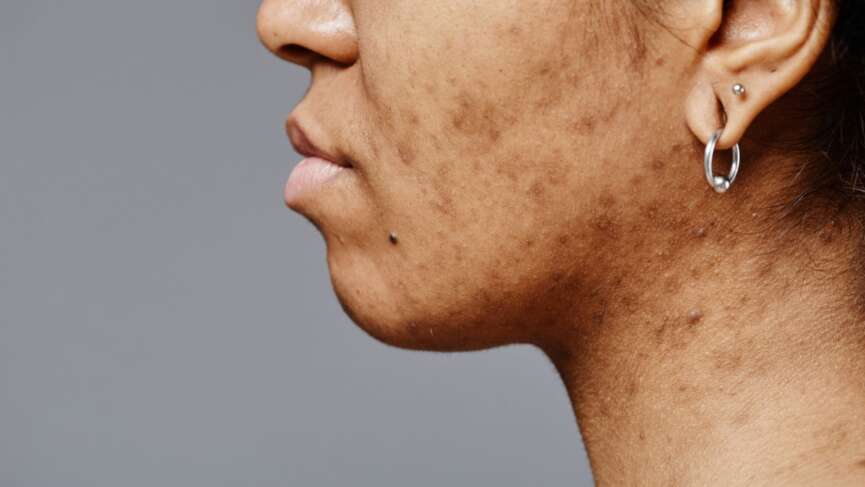
    • Dark spots on the skin

    Avoid These Common Mistakes:

    • Washing your face several times can dry your skin and cause more breakouts.
    • Scratching and squeezing the breakout may irritate your skin and make acne worse.

    How Your Workout Could Be Contributing to Your Acne Woes?

    Excessive sweating during workouts can build up oil, dirt, and bacteria on the skin, contributing to acne. Considering a few precautions before, during, and after an exercise helps to prevent acne.

    Here’s what you need to do before the workout:

    • Remove your makeup.
    • Wear your best workout attire (wash clothes since you last wore them).
    • Apply oil-free sunscreen before you head outside.

    Here’s what you need to do during the workout:

    • Wipe off sweat using a fresh towel.
    • Refrain from sharing safety gear like shoulder pads and helmets.

    Here’s what you need to do after your workout:

    • Consider taking a shower right away after your workout.
    • Use a mild cleanser when washing your face.

    Ways to Prevent Acne

    • Be gentle with your skin. Use gentle products, such as alcohol-free ones, that should possess a ph. between 5.5 to 7.
    • Avoid the temptation to scrub your skin. It makes your acne worse.
    • Wash your face with lukewarm water twice a day.
    • Avoid popping, picking, or squeezing your skin.
    • Avoid stress and maintain your sleep cycle.
    • Let your skin heal naturally.

    When to Seek Dermatologist Help for Your Acne?

    • If your acne makes you unhappy or uncomfortable
    • If your acne is producing scars
    • If your acne is causing dark patches to appear (hyperpigmentation)

    Acne Treatment: How Is It Treated?

    It depends on the type of lesions present and how much skin is affected.

    • If your acne is mild, it can often be treated with topical(applied to the skin) over-the-counter medications.
    • A doctor may prescribe more potent topical medicines and oral antibiotics for moderately severe acne.
    • For severe nodulocystic acne refractory to the above medications, a drug known as isotretinoin is prescribed orally for around 4 to 6 months. The patient should be on proper contraception throughout treatment with oral isotretinoin. A urine pregnancy test is advised before prescribing oral isotretinoin.

    Treatment for acne scars: Acne Scar Treatment

    There are safe and efficient treatments available for acne scars. The treatment may consist of :

    • Laser treatments
    • Minor skin surgeries
    • Chemical peels
    • Fillers

    ⇒A dermatologist or a dermatologic surgeon can perform these treatments in outpatient settings.

    Can Your Diet Worsen Your Acne?

    The role of dietary changes remains uncertain in the treatment of acne. Several studies have linked acne to dairy products and high-glycemic-index foods, but no research has been published to establish the relationship.

    Do You Need Tests to Uncover Underlying Health Conditions Related to Acne?

    If you think you may have any disorder associated with acne, getting a physical examination from a healthcare provider may help them diagnose your symptoms and find the right treatment.

    Your doctor may order some tests to help rule out these medical problems after noting down your medical history and performing a physical examination.

    Questions To Ask Your Dermatologist

    • Do I need any tests to find out what could be causing acne?
    • May I have any disease or disorder associated with acne?
    • Is there a role of diet predisposing to acne?
    • Is an altered sleep cycle predisposed to acne?
    • What type of medications could help to lessen my acne?
    • How long do I have to take medications?

    References 


    What is Acne?

    Acne is a disorder of the skin’s hair follicles and oil glands. It secretes oils to keep the skin moist. However, when the glands become clogged, pimples and cysts can form. 

    Causes of Acne

    Some common causes of acne are:

    • Hormonal changes
    • Smoking 
    • Stress
    • Altered sleep cycle
    • Oily Food
    • Oily makeup, skin/hair-care products
    • Genetics

    Acne – Where Can You Find More?

    Acne most often appears in areas where there are sebaceous glands, including:

    • Face
    • Chest
    • Upper back
    • Shoulders
    • Neck

    Symptoms of Acne

    Acne can cause any (or a combination of) the following breakouts on your skin:

    • Whiteheads
    • Blackheads
    • Pimples
    • Nodules, cysts, or both (deep and painful)
    • Dark spots on the skin

    Avoid These Common Mistakes:

    • Washing your face several times can dry your skin and cause more breakouts.
    • Scratching and squeezing the breakout may irritate your skin and make acne worse.

    How Your Workout Could Be Contributing to Your Acne Woes?

    Excessive sweating during workouts can build up oil, dirt, and bacteria on the skin, contributing to acne. Considering a few precautions before, during, and after an exercise helps to prevent acne.

    Here’s what you need to do before the workout:

    • Remove your makeup.
    • Wear your best workout attire (wash clothes since you last wore them).
    • Apply oil-free sunscreen before you head outside.

    Here’s what you need to do during the workout:

    • Wipe off sweat using a fresh towel.
    • Refrain from sharing safety gear like shoulder pads and helmets.

    Here’s what you need to do after your workout:

    • Consider taking a shower right away after your workout.
    • Use a mild cleanser when washing your face.

    Ways to Prevent Acne

    • Be gentle with your skin. Use gentle products, such as alcohol-free ones, that should possess a ph. between 5.5 to 7.
    • Avoid the temptation to scrub your skin. It makes your acne worse.
    • Wash your face with lukewarm water twice a day.
    • Avoid popping, picking, or squeezing your skin.
    • Avoid stress and maintain your sleep cycle.
    • Let your skin heal naturally.

    When to Seek Dermatologist Help for Your Acne?

    • If your acne makes you unhappy or uncomfortable
    • If your acne is producing scars
    • If your acne is causing dark patches to appear (hyperpigmentation)

    Acne Treatment: How Is It Treated?

    It depends on the type of lesions present and how much skin is affected.

    • If your acne is mild, it can often be treated with topical(applied to the skin) over-the-counter medications.
    • A doctor may prescribe more potent topical medicines and oral antibiotics for moderately severe acne.
    • For severe nodulocystic acne refractory to the above medications, a drug known as isotretinoin is prescribed orally for around 4 to 6 months. The patient should be on proper contraception throughout treatment with oral isotretinoin. A urine pregnancy test is advised before prescribing oral isotretinoin.

    Treatment for acne scars: Acne Scar Treatment

    There are safe and efficient treatments available for acne scars. The treatment may consist of :

    • Laser treatments
    • Minor skin surgeries
    • Chemical peels
    • Fillers

    ⇒A dermatologist or a dermatologic surgeon can perform these treatments in outpatient settings.

    Can Your Diet Worsen Your Acne?

    The role of dietary changes remains uncertain in the treatment of acne. Several studies have linked acne to dairy products and high-glycemic-index foods, but no research has been published to establish the relationship.

    Do You Need Tests to Uncover Underlying Health Conditions Related to Acne?

    If you think you may have any disorder associated with acne, getting a physical examination from a healthcare provider may help them diagnose your symptoms and find the right treatment.

    Your doctor may order some tests to help rule out these medical problems after noting down your medical history and performing a physical examination.

    Questions To Ask Your Dermatologist

    • Do I need any tests to find out what could be causing acne?
    • May I have any disease or disorder associated with acne?
    • Is there a role of diet predisposing to acne?
    • Is an altered sleep cycle predisposed to acne?
    • What type of medications could help to lessen my acne?
    • How long do I have to take medications?

    References 


  • Understanding the Causes of Constipation and exploring the Best Laxatives and Stool Softeners

    Understanding the Causes of Constipation and exploring the Best Laxatives and Stool Softeners

    A 30-year-old fast-food service male complains of back pain and has recently been experiencing nausea for the last three days. On exploring further, he has had difficulty with having bowel movement, which occurs once a week and hasn’t had a bowel movement for the previous four days.

    What is Constipation?

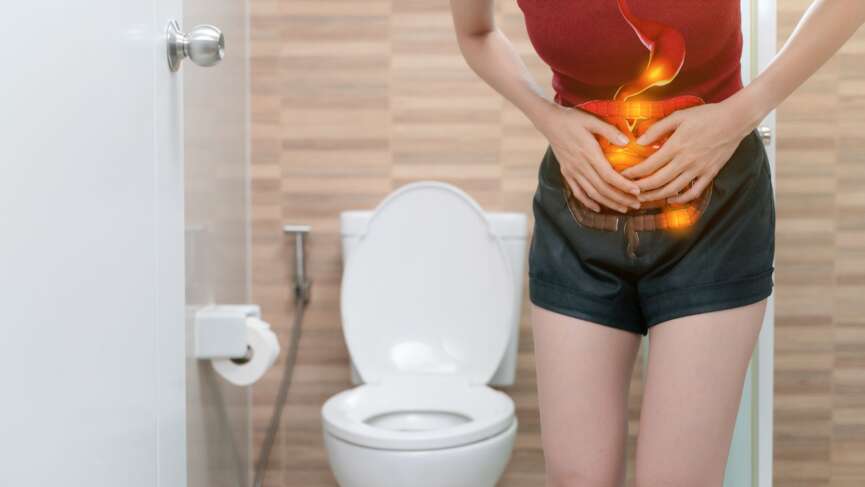
    Constipation is when a person has uncomfortable or infrequent bowel movements. Generally, a person is considered to be constipated when bowel movements result in the passage of a small amount of dry hard stool, usually fewer than three times a week. Constipation is a symptom, not a disease. About 4 million people in the United States have frequent constipation. Constipation is the most common gastrointestinal complaint, resulting in 2.5 million doctor visits annually.

    Causes of Constipation

    Constipation is not always related to an underlying condition. It may be caused by one of the following reasons:

    • Insufficient quantities of fiber in meals
    • Inadequate intake of fluid resulting in dehydration
    • Physical inactivity
    • Changes in diet or normal activities
    • Resisting the urge to have a bowel movement.
    • Drugs such as narcotics, antidepressants, and anti-acids (incredibly those rich in Calcium and Aluminum)

    Medical Causes of Constipation

    Sometimes constipation may signify an underlying health condition. Your doctor will ask you questions and might run tests to make sure you don’t have any other organic cause of constipation.

    • Irritable bowel syndrome: It is a chronic gastrointestinal disorder that affects the large intestine causing diarrhea, abdominal pain, bloating, and flatulence. Symptoms may include abdominal discomfort or pain and diarrhea alternating with constipation.
    • Hypothyroidism: A condition resulting from decreased production of thyroid hormones. Symptoms may include weight gain, increased sensitivity to colds, and constipation.
    • Bowel Obstruction: An obstruction in the small or large intestine causes difficulty in passing digested materials, usually through the bowel. Symptoms may include abdominal pain, constipation, and bloating.
    • Neurological Disorders: This might include spinal cord injury, multiple sclerosis, Parkinson’s disease, and stroke.
    • Anal Fissure: A small tear in the lining of the anus may cause pain and bleed with bowel movements. Usually, causes because by constipation or passing large and hard stools. Symptoms may include constipation, pain during bowel movements, itching, or irritation around the anus.
    • Colon Cancer: Colon cancer begins in the last part of the digestive tract-colon (Large intestine). Symptoms may include a change in bowel habits, diarrhea/constipation, and blood in the stool.

    What Are The Clinical Features of Constipation?

    • Fewer than three bowel movements a week
    • Stools are dry, hard, and lumpy
    • Stools are difficult or painful to pass
    • You have a stomachache or cramps
    • Feel bloated and nauseous
    • Feel that you haven’t completely emptied your bowels after a movement

    How Will Your Doctor Evaluate Constipation?

    Constipation is a clinical diagnosis- your doctor can make based on your symptoms. Your doctor will ask you about the duration of the symptoms. You might be asked if you have any other symptoms associated with constipation. Your doctor will also inquire about any medications you have been taking recently.

    Diagnosis of constipation relies on symptomatic criteria, which include at least three months of:

    1. Straining with defecation at least one-fourth of the time.
    2.  Lumpy or hard stools (or both) at least one-fourth of the time.
    3.  A sensation of incomplete evacuation at least one-fourth of the time or,
    4.  Two or fewer bowel movements in a week.

    ⇒ Constipation may be considered chronic if you’ve experienced two or more of these symptoms for over three months.

    What Kind of Tests May Be Required to Evaluate Constipation?

    In addition to a general physical exam and a digital rectal exam, doctors use the following tests based on your characteristics such as age, duration of symptoms, and other associated symptoms, which include:

    Blood tests: Your doctor will look for systemic conditions such as low thyroid  (hypothyroidism) or calcium levels.

    • X-ray of the abdomen:  An X-ray can help your doctor determine whether your intestines are blocked and whether stool is present throughout the colon.
    • Imaging tests: Computed tomography (CT) or lower gastrointestinal tract series may be ordered to identify other problems that could be causing your constipation or to make sure you don’t have a bowel obstruction.
    • Colonoscopy: A colonoscopy is done with a long flexible tube with a camera at one end to view and take pictures of your intestines. During this procedure, a small tissue sample (biopsy) may be taken to test for cancer or other problems, and any found polyps will be removed.
    • Colorectal transit studies: These tests involve consuming a small dose of a radioactive substance, either in pill form or in a meal, and then tracking the amount of time and how the substance moves through your intestines.

    Natural Remedies for Constipation

    You can use some home-based methods to treat constipation and prevent it from becoming a chronic problem.

    • Include plenty of high-fiber foods, including beans, vegetables, fruits, whole grain cereals, and bran.
    • Drink plenty of fluids.
    • Stay as active as possible and try to get regular exercise.
    • Try to manage stress.
    • Don’t ignore the urge to pass the stool.
    • Try to create a regular schedule for bowel movements, especially after a meal.

    Constipation Treatment

    There are many over-the-counter (OTC) medications available to treat constipation. However, it is important to use these medications only as directed and to consult with a healthcare provider if you have any questions or concernsIt is also important to address the underlying causes of constipation, such as poor diet or lack of exercise, to prevent the condition from recurring. Additionally, it is always a good idea to consult with a healthcare provider before starting any new medication or treatment. Your doctor might recommend a combination.

    1. Bulk-forming agents: These medications work by absorbing water in the intestines, which helps to soften and bulk up the stool, making it easier to pass. Examples of bulk-forming agents include psyllium husk (Metamucil), methylcellulose (Citrucel), and polycarbophil (FiberCon).
    2. Stool softeners: These medications work by drawing water into the stool, making it softer and easier to pass. Examples of stool softeners include docusate sodium (Colace) and docusate calcium (Surfak).
    3. Osmotic laxatives: These medications work by drawing water into the intestines, which helps to soften and bulk up the stool, making it easier to pass. Examples of osmotic laxatives include magnesium hydroxide (Milk of Magnesia), polyethylene glycol (Miralax), and lactulose (Constulose).
    4. Stimulant laxatives: These medications work by stimulating the muscles in the intestines to contract, which helps to move stool through the intestines. Examples of stimulant laxatives include bisacodyl (Dulcolax) and senna (Senokot).
    5. Lubricants: These medications work by coating the stool, making it easier to pass. Examples of lubricants include mineral oil.

    → You can also use fiber products such as psyllium, methylcellulose, calcium polycarbophil, and wheat dextrin.

    Additionally, some medicines help make bowel movements easier to get out, which include:

    • Osmotic agents: Miralax, milk of magnesia.
    • Lubricants: Mineral oil enemas.
    • Stimulants: Bisacodyl, Sennosides
    • Stool softeners: Docusate sodium and Docusate calcium

    When To Consult a Doctor?

    • Your constipation has lasted more than three weeks.
    • You see blood in your stool.
    • You are losing weight unintentionally.
    • You have severe pain with bowel movements.
    • You have symptoms of outlet dysfunction constipation.
    • If you have new constipation without a change in your medicines or diet and have never had constipation in the past.
    • Other people in your family have had colorectal cancer or inflammatory bowel disease.

    Questions To Your Doctor

    • What’s the most likely cause of my symptoms?
    • What kinds of tests do I need, and how do I prepare for them?
    • What treatment do you recommend?
    • Am I at risk of complications related to this condition?
    • If Initial treatment doesn’t work, what will you recommend next?
    • Are there any dietary restrictions that I need to follow?
    • I have other medical problems. How can I manage these along with constipation?

    References

  • Hyperthyroidism – Overactive Thyroid Gland

    Hyperthyroidism – Overactive Thyroid Gland

    Jane is a 46-year-old female who works as a fashion designer. She has been very anxious lately, with noticeable weight loss and irregular bowels. She was recently diagnosed with hyperthyroidism by her primary care physician. In the meantime, she is waiting to see an endocrinologist. What advice do you have for her?

    What is Hyperthyroidism?

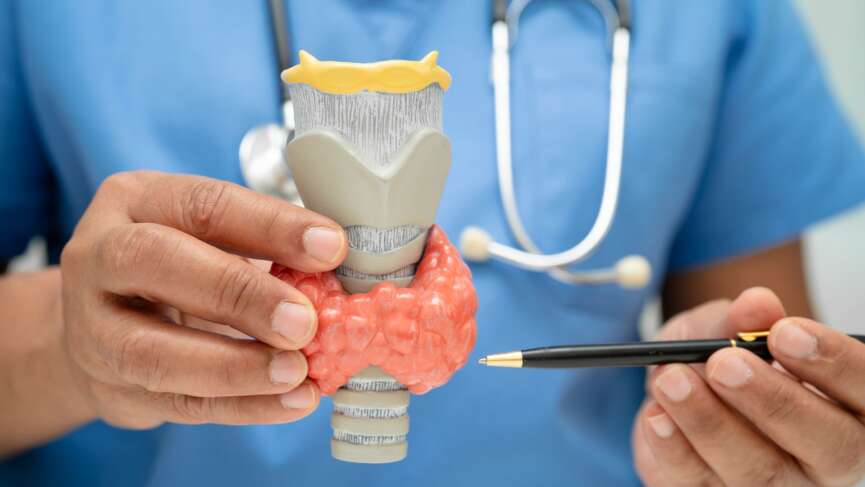
    The thyroid gland is a small butterfly-shaped gland located at the base of the neck in front of your trachea (windpipe) and esophagus (the tube that connects your mouth to your stomach). The enlarged thyroid gland produces thyroid hormone. Hyperthyroidism occurs when the thyroid gland is overactive and produces too much iodine and many hormones. Women are more likely than men to have hyperthyroidism, affecting younger people more than older ones.

    What Causes Hyperthyroidism?

    • Graves disease is an autoimmune disorder in which the body produces antibodies that cause the thyroid to produce too much thyroid hormone. Over 70% of Graves disease people also have an overactive thyroid gland.
    • Toxic nodular goiter is where areas of the thyroid enlarge and make too much thyroid hormone.
    • Subacute thyroiditis is a problem with the immune system or a viral infection that causes the thyroid gland to leak stored thyroid hormone.
    • Exposure to iodine in medications (like amiodarone and some cancer immunotherapies), exposure to x-ray dyes
    • Postpartum thyroiditis, where the thyroid gland can be inflamed after a pregnancy.

    Hyperthyroidism Symptoms

    The thyroid hormone plays a significant role in our body’s metabolism. If too much thyroid hormone is circulating in the body, every body function tends to speed up. The symptoms of an overactive thyroid gland can include nervousness, irritability, increased sweating, or heart palpitations. Sometimes you might have more frequent bowel movements or even lose weight.

    In Graves’ thyroid disease alone, which is the most common form of hyperthyroidism, the eyes may look enlarged, or they may even bulge. Some patients may have swollen goiter glands in the front of the neck from an enlarged thyroid gland. The symptoms of hyperthyroidism can include the following:

    • Unintentional weight loss
    • Frequent bowel movements
    • Palpitations (rapid heart rate) or abnormal heart rhythms
    • Heat intolerance
    • Excessive sweating
    • Nervousness
    • Tremors (shakiness of the hands)
    • Eyes that appear to protrude
    • Infrequent menstrual periods
    • Loss of menstrual cycles
    • Infertility issues
    • Osteoporosis (bone weakening due to rapid turnover, making a person more prone to breaking bones with even minor bumps or falls)

    Diagnosis of Hyperthyroidism

    If your doctor suspects you have hyperthyroidism based on your symptoms, you will do a physical examination. A physical exam can detect an enlarged thyroid gland in the neck, rapid pulse, hand tremors, and increased reflexes. Your doctor can look for a protruding or swollen eye if you have Graves disease. Your doctor will also order simple blood tests to measure your thyroid activity. They are collectively known as thyroid function tests (TFTs): Thyroid-stimulating hormone (TSH), free T4, and total T3.

    Here are the blood tests that measure thyroid hormone levels and your enlarged thyroid gland activity:

    • Thyroid-stimulating Hormone (TSH): TSH levels will be low if there is too much thyroid hormone in the body.
    • Free T4 and total T3: The levels of T3 and T4 are thyroid hormones that will be high in hyperthyroidism.
    • Thyrotropin Receptor Antibody (TRAb) and Thyroid stimulating immunoglobulin(TSI): This blood test is for antibodies in the blood that causes Graves Disease. After thyroid function tests, your doctor will order this test if they confirm that you have hyperthyroidism.
    • Thyroid ultrasound: An ultrasound of the thyroid gland that can show the thyroid gland’s size, texture, and blood flow.
    • Thyroid scan: This test uses an injection or pill containing a small amount of radioactive material. The thyroid scan looks for areas of abnormal function within the thyroid gland and can measure its ability to collect iodine (thyroid uptake).

    Hyperthyroidism Treatment

    Treatment plans for hyperthyroidism will depend on the type of hyperthyroidism, how severe of a condition your thyroid is in, age, and other comorbidities. No single treatment is best for all patients with hyperthyroidism. Depending on your situation, your doctor will discuss your treatment options with you and may also refer you to an endocrinologist.

    Hyperthyroidism Medication


    1. Antithyroid Drugs: Antithyroid drugs (Methimazole & Propylthiouracil) work by blocking the gland’s ability to make new thyroid hormones for hyperthyroidism. Both drugs control the thyroid gland but will not cure hyperthyroidism. Methimazole is preferred among the two due to having lesser severe side effects than Propylthiouracil. These medications have substantial side effects, but your doctor will discuss them with you before prescribing them.
    2. Beta-blockers: These drugs (e.g., atenolol, metoprolol) control the adrenergic symptoms of hyperthyroidism, such as palpitations, anxiety, and tremors. They also prevent the peripheral conversion of T4 to T3 ( T3 is the active form of thyroid hormone). They can start working within hours or days and make you feel better. Do not stop these drugs before talking to your doctor.
    3. Radioactive Iodine (RAI) Treatment: The RAI iodine treatment can cure your thyroid condition by permanently destroying your thyroid gland. However, you must take thyroid hormone medicine pills for the rest of your life to maintain normal thyroid hormone medicine levels in your body.

    Radioactive Iodine – How does the RAI treatment work?

    Thyroid glands use iodine as the raw material to make thyroid hormones. The thyroid gland gets the iodine to produce thyroid hormone from the food we eat. When radioactive iodine (RAI) pills are swallowed, the thyroid gland absorbs the RAI. Then radiation from the RAI pills damages the thyroid hormone in cells, and the thyroid gland produces less thyroid hormone over time. Do note that  RAI pills do not affect any other body part because no other organ in the body uses iodine.

    When To Avoid RAI Treatment?

    • If you are pregnant and breastfeeding
    • If you are planning a pregnancy in the next six months
    • Children who have not tried other treatment options first
    • People with active thyroid eye disease (Graves Ophthalmopathy)

    Surgical Removal of the Thyroid Gland

    Surgical treatment of hyperthyroidism involves removing some or all of your thyroid gland, so it no longer produces thyroid hormones. Surgical removal of the thyroid gland is a permanent solution. However, it is not usually the preferred choice for treatment due to the risk of damage to the nearby parathyroid glands (which control calcium levels in the body) and the nerves to your larynx (voice box). Your doctor may recommend a surgical option when either antithyroid medication or radioactive iodine therapy does not suit you or if surgical removal is necessary for your treatment.

    Is Hyperthyroidism Curable?

    While radioactive iodine and surgery can permanently cure hyperthyroidism caused by Graves disease, a person will still need to take a replacement for hormones for the rest of their lives. Thyroid glands might function normally again after a hyperthyroid phase which usually occurs in postpartum thyroiditis (after pregnancy) or subacute thyroiditis (after an infection). However, in the case of postpartum thyroiditis, the thyroid gland may still overreact in future pregnancies.

    Hyperthyroidism Risk – Is Anyone In Your Family at Risk?

    Since hyperthyroidism, especially Graves’ thyroid disease itself, may run in families, it is important for your family members to get physical examinations of their thyroid glands to see if they suffer from thyroid problems too.

    Questions For Your Doctor 

    • What is the cause of my hyperthyroidism?
    • Can I stop my thyroid glands from being overactive?
    • What are treatment options for hyperthyroidism?
    • What are the risks versus benefits of my treatment options?
    • What are the pros and cons of radioactive iodine compared to other treatments?
    • How often do I need to monitor my thyroid function?
    • What should I do about my hyperthyroidism if I want to get pregnant?
    • What changes can I make in my diet?
    • Should I see an endocrinologist?

    References

  • Bipolar Disorder for Young Adults – Symptoms, Causes, and Treatment Options

    Bipolar Disorder for Young Adults – Symptoms, Causes, and Treatment Options

    Mike is a 28-year young student who works part-time as a microbiology researcher. He has been working overtime recently and has not slept in a few days. He has also not been able to focus on his research.  Mike was depressed last year and had been taking antidepressants for a while. He is suspected of having bipolar disorder.

    What is Bipolar Disorder?

    Bipolar disorder is a mood disorder with two phases to the illness. One is the manic/hypomanic or the ‘up’ phase, and the other is the depressive or ‘down’ phase. Bipolar disorder is different from unipolar depression, where there are recurrent episodes of depression without any elevated or irritable mood episodes, indicating bipolar disorder.

    However, it can be treated like any other chronic illness (such as diabetes or hypertension). People with bipolar disorder must receive proper diagnosis and treatment from a psychiatrist as soon as it is suspected.

    What is a Manic Episode?

    In a manic phase, people have more than their usual level of energy and can present as one or more of the following:

    • Extremely elevated mood, irritability, or anger
    • Increased energy level
    • Decreased need for sleep
    • Fast speech
    • Flight of ideas (racing or distracted thoughts, rapidly switching from one subject to another)
    • Risky behavior (including but not limited to gambling, sexual promiscuity, and substance abuse)
    • Increased goal-directed activity
    • Hypomania (a less severe episode of elevated mood)

    What is a Depressive Phase?

    A depressive phase is where a person has low levels of energy and can present with one or any of the following symptoms:

    • Extreme sadness
    • A feeling of hopelessness or overwhelming guilt
    • Inactivity and disinterest in usual activities
    • Crying, anxiety, or irritability
    • Unintentional weight loss or gain
    • Substance abuse
    • Suicidal thoughts

    Types of Bipolar Disorder

    There are three types of bipolar disorder;

    • Bipolar I Disorder: This type involves manic episodes that last at least seven days and can present with severe manic symptoms to the extent that one would need inpatient psychiatric care. The maniac episodes are interspersed with depressive episodes as well, which typically last for at least two weeks.
    • Bipolar II Disorder: This involves both depressive and hypomanic episodes but does not involve the severe manic episodes associated with Bipolar I Disorder.
    • Cyclothymic Disorder: This involves periods of hypomania and periods of depression and typically lasts for at least two years.

    How Will Your Doctor Diagnose Bipolar Disorder? 

    Bipolar disorder is usually first diagnosed in the late teen years or early adulthood. Your doctor will take a detailed medical history and a physical examination to look for other causes of symptoms and to see if other psychiatric diagnoses apply to you. Your primary care doctor will conduct a mental health evaluation or provide a referral to a trained mental health care provider (such as a psychiatrist, psychologist, or clinical social worker) if they think you may have bipolar disorder.

    As the symptoms of bipolar disorder are variable, it may be difficult to diagnose bipolar disorder right away. Your psychiatrist might talk to family members and friends to see if there are any behavioral changes or symptoms they may have noticed.

    A diagnosis of bipolar disorder starts with you. You must talk to your doctor or licensed mental health care provider. This is the first step for your mental health issues treatment.

    Treatment for Bipolar Disorder

    Like any other chronic illness, such as diabetes or high blood pressure, bipolar disorder usually requires lifelong treatment. The treatment plan usually includes a combination of medication and psychotherapy called ‘talk therapy.’ Do not stop medications on your own if your symptoms subside and you start feeling better. Poor adherence to your medication plan might aggravate symptoms or increase the frequency of both manic and depressive episodes. Continuous treatment is necessary to prevent relapse of manic or depressive symptoms, improve overall health, and maximize the quality of life. Since there is a high risk of suicide in people diagnosed with bipolar disorders, your doctor will assess you for suicidal risk and manage the disorder accordingly. This is why regular follow-ups with your psychiatrist are very important to manage your symptoms and continue your treatment.

    Role of Medications in Bipolar Disorder

    Medications like mood stabilizers and second-generation (‘atypical’) antipsychotics are generally used to treat bipolar disorder. Your mental health provider will use several drugs, alone or in combination with each other, to treat bipolar disorder.

    1. Lithium

    Lithium is a commonly prescribed and effective medication that works as a mood stabilizer. Your doctor will check your blood levels for lithium regularly. You might have harmful side effects if lithium rises to more than expected levels. Your doctor may order blood tests like thyroid function, urea, creatinine, and blood calcium levels, and an Electrocardiogram (to measure the heart’s electrical activity).

    The side effects of lithium may vary from nausea and vomiting to severe symptoms like tremors, confusion, or slurred speech. Your doctor may ask you if you are taking medications like pain meds (NSAIDs) and medicines for hypertension (Thiazides and ACE inhibitors), as their concurrent use with lithium will cause its toxicity. If you are planning a baby, women are asked to stop lithium or start on other medication as the use of lithium may cause congenital heart defects in the baby, commonly known as the Ebstein anomaly.

    2. Antidepressant Medication

    Your doctor may prescribe an antidepressant medication to treat depressive episodes in bipolar disorder. Treatment plans may include medications that help with sleep or anxiety.
    Since all medication used in treating bipolar disorder might give you some adverse effects, your doctor will discuss your medications’ safety profile before prescribing them.
    Your doctor will need to tailor your treatment regimen based on your needs, risk factors, and other comorbid illnesses.

    Please note that your psychiatrist may need to try several different medications before finding the best fit for you. 

    Role of Psychotherapy in Bipolar Disorder 

    Psychotherapy (also known as ‘Talking Therapy’) can play an imperative role in the treatment plan for people with bipolar disorder. This therapy supports, educates, and guides people with bipolar disorder and their families on how to live with it and manage its symptoms. Psychotherapy involves techniques to better equip people to identify and change troubling emotions, thoughts, and behaviors.

    Tips for Coping with Bipolar Disorder

    While it can be challenging to live with bipolar disorder, you can certainly live a regular life with it if it is treated properly. The following tips can better equip you to handle the symptoms of bipolar disorder:

    • Get help from a professional. Do not be afraid to open up and talk to your doctor.
    • Get started on a treatment plan and stick with it even if the treatment appears slow for you to see changes.
    • Take all medicines as directed by your doctor.
    • Be open to discussions with your doctor about the risks and benefits of your medication plan.
    • Realize that recovery takes time, and managing symptoms might not always be easy.
    • Report any side effects you have with your medications. Your doctor may need to change the dose or try a different medication for your treatment plan to best suit you. Do not change or stop your medication without discussing it with your psychiatrist.
    • Do not miss your doctor’s and therapist’s appointments.
    • Remember to take your medications consistently, even when feeling well.
    • Make sure you get enough sleep.
    • Exercise daily.
    • Learn to recognize your mood swings and warning signs like poor sleep.
    • Ask for help from your friends, family, or trusted ones to ensure your treatment is consistent and you are on the path to a healthier state of mind.
    • Avoid misuse of alcohol and illicit drugs.

    Questions For Your Doctor

    1. Do I need to be on medications all my life after I start them?
    2. How long should I continue psychotherapy? When will I know to stop?
    3. How will my medications for bipolar disorder interact or interfere with my other medications, if any?
    4. What should I do if I have trouble with my sleeping pattern?
    5. Can I lead a normal life with bipolar disorder?
    6. Can I stop my medications if I feel fine? Should I tell my doctor about stopping them?
    7. What are the warning signs of manic episodes?

    References

    1. Torpy, J. M., Lynm, C., & Glass, R. M. (2009). Bipolar disorder. JAMA301(5), 564-564
    2. Gitlin, M. (2016). Lithium side effects and toxicity: prevalence and management strategies. International journal of bipolar disorders4(1), 1-10.
    3. Bipolar Disorder. (n.d.). National Institute of Mental Health (NIMH).
    4. https://www.nimh.nih.gov/health/topics/

  • Understanding Osteoporosis – Symptoms, Diagnosis and Treatment

    Understanding Osteoporosis – Symptoms, Diagnosis and Treatment

    What is Osteoporosis?

    Osteoporosis is a disease that causes your bones to become weak. The bones get weak when the bone mass and mineral density reduce or when the composition and strength of bone change. In osteoporosis, the spongy bone’s pores enlarge, and the outside walls of compact bone grow thinner. The bone density decrease and the bones become more brittle, increasing the risk of fractures (broken bones). 

    Osteoporosis- A disease with Weak Bones

    Osteoporosis is the main factor for fractures in older adults and postmenopausal women. Osteoporosis is a “silent” illness that frequently goes unnoticed until a bone is broken. Women are more likely than men to develop osteoporosis, and some suffer fractures that could have been avoided if their osteoporosis had been detected and treated earlier.

    What Are The Symptoms of Osteoporosis?

    Osteoporosis may not have any symptoms. You might only experience osteoporosis symptoms once you break (fracture) a bone. Any bone in the body can become fractured. However, the hip, wrist, and spine(vertebrae) are the bones that are often fractured. When you have osteoporosis, a fracture can occur during simple daily activities such as climbing stairs, lifting objects, or bending forward.

    Risk factors for osteoporosis 

    1. Sex: Women have a higher risk of osteoporosis. Many women have weak bones and fractures a year or two before menopause as the ovaries shrink and make fewer estrogen hormones. Women’s bones are smaller than men’s and have lower peak bone mass, putting them at a higher risk of fractures. Men are still at risk, though, particularly after 70.
    2. Age: Bone loss occurs more quickly, and new bone development is slower as you age. Although osteoporosis can strike at any age, the likelihood of getting it rises with advancing age. Your risk of osteoporosis might increase as your bones weaken over time.
    3. Body weight:  Thin, slender women and men are more likely to develop osteoporosis since they have less bone to lose than people with thicker bones.
    4. Changes to hormones: Low estrogen levels may increase the risk of osteoporosis. The estrogen hormone is essential for the health of the bones. It protects against bone loss in addition to its other roles. Menopause is the most common cause of low estrogen levels. Your ovaries produce very little estrogen after menopause.
    5. Low testosterone levels in males: Osteoporosis is a concern for men with diseases that lower testosterone. However, the progressive testosterone decline with age is probably not the main factor in bone loss.
    6. Diet: A diet lacking calcium and vitamin D can raise your risk for osteoporosis and fractures starting in childhood.
    7. Lifestyle: Bone strength may be maintained by leading a healthy lifestyle. Low levels of physical activity and extended periods of inactivity can also speed up bone loss, among other factors. Excessive alcohol consumption and smoking increase the risk of osteoporosis and fractures. Additionally, they put you in poor physical shape and increase your chance of fracturing a bone due to mechanical falls.

    What Are The Causes of Osteoporosis? 

    Bone loss is the leading cause of osteoporosis. Estrogen levels significantly influence your bones’ growth and maintenance in your body. Low levels of estrogen are most frequently responsible for bone loss. Menopause is the most typical reason for decreased estrogen levels. Your ovaries produce relatively little estrogen after menopause. In addition, if you did not grow strong bones when you were young, your chance of osteoporosis will increase. If you have an eating disorder, poor eating habits, inactivity, or chronic health issues, it might cause you to have poor bone mass and risk osteoporosis.

    Diagnosis 

    Doctors often diagnose osteoporosis during routine screening for the disease. Your doctor may recommend a test to determine your bone mineral density (BMD) to see your bones’ strength or weakness. A standard test is a central dual-energy x-ray absorptiometry (DEXA) of the hip or spine. A DEXA scan is a type of x-ray of your bones. This test emits very little radiation. DEXA scans are completely safe and pose no health risks.

    Your doctor will compare the results of your BMD test to the average bone density of young, healthy people and those of other people your age, gender, and race. Assume your BMD is below a certain threshold. If you are diagnosed with osteoporosis, your doctor may recommend lifestyle changes to promote bone health and medications to reduce your risk of breaking a bone.

    Who Should Be Screened for Osteoporosis?

    Adults should have their first DEXA scan at age 65 unless they are at high risk of fracture due to unusual factors such as long-term steroids, according to the United States Preventative Service Task Force(USPSTF).

    Treatment of Osteoporosis 

    Osteoporosis treatment aims to reduce or stop bone loss and avoid fractures. There are certain medications to treat or prevent osteoporosis. Every medicine has side effects. Menopausal hormone therapy, for example, may increase your chances of developing a blood clot, heart attack, stroke, breast cancer, or gallbladder disease. Discuss the advantages and disadvantages of all medications with your doctor.

    1. Bisphosphonates: Bone loss can be treated using bisphosphonates. They could also promote bone mass growth.
    2. Selective modulators of the estrogen receptor (SERMs): During menopause, bone loss may be slowed down with SERMs.
    3. Denosumab: If you are past menopause and have osteoporosis, this injectable medication may help minimize bone loss and increase bone strength.
    4. Calcitonin: The thyroid gland produces the hormone calcitonin, which aids in controlling your body’s calcium levels and promoting bone density. The rate of bone loss is slowed down by taking calcitonin.
    5. Hormone treatment: Menopausal hormone treatment, frequently used to treat menopausal symptoms, may also help stop bone loss.
    6. Parathyroid hormone or teriparatide: Human parathyroid hormone is available in the injectable form of teriparatide. It helps the body create new bone more quickly than the old bone is destroyed.

    Calcium and Osteoporosis- What Do You Need to Know? 

    Your bones and teeth contain calcium. It aids in the formation and maintenance of bones. Calcium is found naturally in daily food items like milk, cheese, yogurt, and leafy green vegetables such as broccoli, kale, and mustard greens. Calcium is also an additive nutrient in breakfast cereals or bread. If you don’t get enough calcium from your daily diet, your body will take it from your bones, weakening them.

    How Much Calcium Do You Need? 

    We recommend taking a calcium supplement if your daily intake of calcium from food items is less than what you need. The amount of calcium recommended depends on the age. If you are between 9–18 years: 1300 mg per day; 19–50 years: 1000 mg per day; 51 and older: 1200 mg per day.

    It is preferable to get the calcium your body requires from food. However, if you don’t get enough calcium from your diet, you should take a calcium supplement. Calcium supplements are available without a prescription at any grocery or drug store. Before taking calcium supplements, consult your doctor to determine which type is best for you and how much you should take.

    Prevention of Osteoporosis

    1. Exercising regularly-particularly weight-bearing activities like walking
    2. Quit smoking or not start smoking if you don’t smoke
    3. Drink alcohol in moderation only
    4. Take your prescription drugs as directed, which can help prevent fractures if you have osteoporosis.
    5. Eat a balanced diet with calcium and vitamin D to support optimal bone health.

    Questions For Your Doctor

    1. What is causing my osteoporosis, and what are my risk factors for developing the condition?
    2. How will my osteoporosis be diagnosed and monitored?
    3. What are my osteoporosis treatment options, and which do you recommend?
    4. What can I do to help manage my osteoporosis and prevent fractures?
    5. How can I make lifestyle changes to improve my bone health?
    6. Are there any medications or supplements I should take to help strengthen my bones?
    7. What can I expect regarding the side effects of the medicines you recommend?
    8. Are there any new treatments or therapies for osteoporosis that I should know about?

    References

    1. Osteoporosis overview National Institutes of Health. U.S. Department of Health and Human Services. Available at: https://www.bones.nih.gov/health-info/bone/osteoporosis/overview (Accessed: February 6, 2023).
    2. Centers for Disease Control and Prevention. Does osteoporosis run in your family? (2022) Centers for Disease Control and Prevention. Available at: https://www.cdc.gov/genomics/ (Accessed: February 7, 2023).
    3. Osteoporosis | Office on Women’s Health. Available at: https://www.womenshealth.gov/a-z-topics/osteoporosis (Accessed: February 14, 2023).

  • High Cholesterol – Risk Factors, Symptoms and Treatment

    High Cholesterol – Risk Factors, Symptoms and Treatment

    What is Cholesterol?

    Cholesterol is a waxy material found in the human body. The blood carries cholesterol around in it. Cholesterol isn’t necessarily always bad. It is required for the body to create new cells, but having too much cholesterol might be harmful. The risk to your health grows as your blood’s cholesterol level climbs. It is crucial to have your cholesterol checked to determine your levels. Your heart’s health can be significantly improved by maintaining healthy cholesterol levels. It may reduce your risk of developing heart disease or suffering a stroke.

    Risk Factors for High Cholesterol

    Do you want to know about your risk factors for high cholesterol disease? Certain medical disorders, your way of life, e.g., a sedentary lifestyle, and your family history might increase your risk for high cholesterol. They are referred to as “risk factors.” Some risk factors, like age or family history, are beyond your control. But by changing the things you can control; you can reduce your risk for high cholesterol.

    High cholesterol and associated illnesses, such as heart disease, may be brought on by eating a diet rich in saturated and trans fats. Lack of physical exercise can cause weight gain, resulting in elevated cholesterol. Find out more about ways to include more exercise in your day. Your blood vessels are harmed by smoking, which increases the likelihood of fatty deposits forming there. High-density lipoprotein (HDL) cholesterol levels may be decreased by smoking. Non-modifiable factors such as having a family history of high cholesterol put you at risk of developing high cholesterol. With age, everyone’s chance of having high cholesterol increases. Our systems can less easily remove cholesterol from the blood as we age. Higher cholesterol levels result from this, increasing heart disease and stroke risk.  People with type 2 diabetes, people who are obese, and who follow a sedentary lifestyle are at more risk of high blood cholesterol.

    What Are The Symptoms of High Blood Cholesterol?

    Typically, high cholesterol has no symptoms. This is why it’s essential to have your doctor do a quick blood test to monitor your cholesterol levels. A blood test called a “lipid profile” or “lipid panel” will reveal your HDL cholesterol, LDL cholesterol, triglycerides, and total cholesterol levels.

    What Do You See in Your Cholesterol Results?

    Your doctor may use a variety of variables to forecast your 10-year or lifetime risk for a heart attack or stroke, including your total cholesterol and HDL cholesterol(https://tools.acc.org/ascvd-risk-estimator-plus/#!/calculate/estimate/). Your doctor will consider the findings of your cholesterol test together with your age, sex, and family history to estimate your cardiovascular risk. The test results will indicate your cholesterol levels in milligrams per deciliter of blood (mg/dL). Your outcomes may be impacted by being ill or under stress and using particular medications.

    1. High-Density Lipoproteins

    HDL helps your body eliminate cholesterol, so people do not clog arteries. High levels of HDL lower your risk of heart attack, stroke, and other heart problems. Your doctor will estimate your heart attack or stroke risk by looking at your HDL cholesterol levels, total cholesterol levels, and other variables. Smoking, Type 2 diabetes, being overweight, physical inactivity, and genetic factors can all affect HDL cholesterol. HDL cholesterol levels in women are typically greater than in males. However, this might alter after menopause. It would help to have an HDL cholesterol level of at least 40 mg/dL. The lesser your risk, the higher the number. You are thought to be protected against heart disease at 60 mg/dL or above.

    2. Low-Density Lipoprotein

    LDL deposits bad cholesterol into the blood vessels carrying blood to your heart and other body parts. Over time, this may cause arteries to narrow or get blocked, which can cause heart attack, stroke, or any heart problem. A Low LDL is seen as beneficial for your heart health because LDL is undesirable cholesterol.

    • Optimal: Less than 100 mg/dL
    • Near-optimal: 100 to 129 mg/dL
    • Borderline high: 130 to 159 mg/dL
    • High: 160 to 189 mg/dL
    • Very high: 190 mg/dL and higher

    3. Triglycerides

    The most common form of fat in your body is triglycerides. They are obtained through food and are also produced by your body. High LDL and low HDL levels are typical in people with high triglycerides. High triglyceride levels are common in those who have metabolic syndrome or diabetes. Age and sex affect normal triglyceride levels differently. Triglyceride levels may be raised by factors such as obesity or excess body weight, diabetes mellitus or metabolic syndrome, drinking alcohol, consumption of too much sugar, particularly from processed meals, high consumption of saturated fat, hypothyroidism, long-term kidney disease, physical inactivity, pregnancy (particularly in the third trimester), inflammatory conditions (such systemic lupus erythematosus and rheumatoid arthritis) and as a result of several drugs.

    • Normal: Less than 150 mg/dL
    • Borderline high: 150 to 199 mg/dL
    • High: 200 to 499 mg/dL
    • Very high: Above 500 mg/dL

    4. Total Blood Cholesterol

    The sum of your HDL and LDL cholesterol levels plus 20% of your triglyceride level yields your total blood cholesterol.

    • Normal: Less than 200 mg/dL
    • Borderline high: 200 to 239 mg/dL
    • High: At or above 240 mg/dL

    Treatment and Prevention of High Cholesterol

    Treating high cholesterol typically involves a combination of lifestyle changes and medication. Prevention involves:

    • Quitting smoking.
    • Losing weight.
    • Knowing cholesterol levels and how to deal with them.
    • Having a healthy heart diet.
    • Increasing physical exercise. 

    1. Healthy- Heart Diet

      A heart-healthy diet with seafood rich in omega-3 fatty acids can help lower the risk of heart failurecoronary artery disease, cardiac arrest, and stroke.

      • Choose to Eat more fish: Fish is low in saturated fat, whether fatty or lean.
      • Choose to Eat less meat: Consider preparing vegetarian dishes with beans or vegetables.
      • Cook fresh vegetables the heart-healthy way: Use liquid vegetable oils instead of solid fats: canola, sunflower, soybean, and olive oil.
      • Lower dairy fats: Low-fat or fat-free (skim) milk can be used for whole milk or half-and-half.
      • Increase fiber and whole grains in your diet
      • Reduce saturated fat in meat and poultry: Pick meat with little to no apparent fat.

      2. Increasing Your Physical Activity

      Anything that gets your body moving and burns calories is considered physical exercise. This includes stretching, stair climbing, and walking-your heart rate increases during aerobic (or “cardio”) exercise.

      • Aerobic exercises of moderate intensity are brisk walking (at least 2.5 mph), swimming and dancing, gardening, tennis (doubles), and cycling at less than 10 mph.
      • Vigorous-intensity aerobic exercises, such as jogging or swimming laps while carrying a large backpack, severe yard work, such as constant digging while dancing tennis (singles), jumping rope, and riding at 10 mph or more.

      Medications for High Cholesterol

      Your doctor may prescribe one of these medicines to help lower high blood cholesterol.

      1. Statins 

      Statins are the most common medicine used to treat high blood cholesterol. Studies have shown that statins lower the risk of heart attack and stroke in people with high LDL cholesterol. Statins usually don’t cause side effects but do not come without risks. Some patients complain of extreme weakness and myalgia after starting statins. Statins may also cause abnormal results on liver enzyme tests, but actual liver damage is extremely rare. Other rare side effects include muscle damage.

      Talk to your doctor if you experience any side effects while on statins. Your doctor can stop the statins entirely or change the type of statins prescribed to see if you tolerate the other kind of statin. Statins may raise the risk of diabetes. However, this mainly happens in people already at high risk of diabetes, such as those with prediabetes who are overweight, obese, or have metabolic syndrome.

      2. Ezetimibe

      Ezetimibe may also be used if statins cause side effects or if statin treatment and lifestyle changes do not sufficiently lower your “bad” LDL level. In rare cases, these medicines can cause liver injury.

      3. Bile Acid Sequestrants

      If you cannot take statins or need to lower your cholesterol even more than a statin alone, your doctor may prescribe bile acid sequestrants. Bile acid sequestrants help bile acids, which aid in fat and oil digestion, stay in the intestines rather than being reabsorbed. This medication may cause diarrhea, reduce the effectiveness of other medicines, or raise your blood triglyceride level.

      4. PCSK9 Inhibitors

      PCSK9 inhibitors are injected under your skin every 2 to 4 weeks. If you are at high risk of complications such as heart attack or stroke, or familial hypercholesterolemia, your doctor may prescribe a PCSK9 inhibitor and a statin. The most common side effects are itching, pain, or swelling at the injection site.

      What Happens If You Don’t Treat High Cholesterol? 

      • If you don’t treat high cholesterol, you can be at risk of the following diseases/ conditions:
      • Heart disease: High cholesterol can cause coronary artery plaque to accumulate, increasing the risk of heart attack and stroke.
      • Atherosclerosis: The arteries stiffen and constrict due to plaque accumulation. This may result in impaired circulation, raising the risk of peripheral artery disease, heart attack, and stroke.
      • Kidney disease: High cholesterol levels can cause plaque to accumulate in the renal arteries, reducing blood flow to the kidneys and increasing the risk of kidney disease.
      • Diabetes: Due to damage to the pancreas’s tiny blood arteries, which can interfere with insulin synthesis, high cholesterol can raise one’s risk of developing diabetes.
      • Gallbladder disease: Gallstones can develop due to high cholesterol levels, which can, in turn, induce gallbladder discomfort, inflammation, and infection.
      • Cognitive decline: An increased risk of cognitive decline, including dementia and Alzheimer’s disease, has been associated with high cholesterol levels.

      Routine Lipid Profile Testing- Does The Cholesterol Test Need to Be Done After an Overnight Fast?

      Historically, it has been recommended that blood samples for lipid testing should be obtained after an 8- to 12-hour fast. Fasting means that people can have nothing to eat or drink except water for at least eight hours before the test. Triglyceride levels were modestly higher in the non-fasting samples. But, we have enough evidence that the differences in their total, LDL, and HDL cholesterol values are negligible, and it doesn’t matter whether the profile test was done after a fasting state or not. Fasting may be risky in some older people and those with diabetes, whose blood sugar levels may dip too low. Fasting is not a requirement to get blood cholesterol levels checked. Skipping the fasting requirement makes cholesterol tests simpler.

      How Often Should You Get Your Cholesterol Levels Checked? 

      The American Heart Association recommends that all adults check their blood cholesterol levels every 5 years. People over 45 years of age shoot take cholesterol tests every year. However, if one has a family history of high cholesterol, heart disease, diabeteshigh blood pressure, or thyroid problems, one needs to get tested more frequently. If you are starting a medication affecting cholesterol levels, your doctors may require a lipid profile to monitor cholesterol levels while on treatment.

      Myths on High Cholesterol

      Q. High cholesterol only affect older adults?

      Ans: This is false, as high cholesterol can affect people of all ages.

      Q. High cholesterol is only caused by eating too much-saturated fat?

      Ans: While saturated fat can contribute to high cholesterol, other factors such as genetics, age, and lifestyle can also play a role.

      Q. High cholesterol is always bad?

      Ans: While high levels of LDL cholesterol, also known as “bad” cholesterol, can increase the risk of heart disease, high levels of HDL cholesterol, also known as “good” cholesterol, can have protective effects.

      Q. High cholesterol can be cured?

      Ans: High cholesterol is a chronic condition that can be managed through lifestyle changes, such as a healthy diet, regular exercise, and medication.

      Q. Eating cholesterol-rich foods can increase cholesterol in the blood?

      Ans: Cholesterol found in foods has a negligible effect on blood cholesterol levels. It is mainly influenced by the amount of saturated and trans fats in the diet.

      Questions For Your Doctor

      1. Are there any lifestyle changes I can make to lower my cholesterol levels?
      2. What are my target cholesterol levels, and how long will it take to reach them?
      3. Are there any foods I should avoid or include in my diet to manage my cholesterol levels?
      4. Can I take any supplements or vitamins to help lower my cholesterol?
      5. I cannot tolerate my statins – due to muscle aches- should I stop it?

      References

    • Hepatitis C – Symptoms, Types and Treatment

      Hepatitis C – Symptoms, Types and Treatment

      Mr. Bowers is a 35-year-old man who was recently diagnosed with hepatitis C. He has a history of intravenous drug abuse and was found to be infected with the hepatitis C virus on a routine annual visit. He is entirely asymptomatic and healthy otherwise. He wants to talk to his doctor regarding the advertisement he heard on the new medications for Hepatitis C.

      What is Hepatitis C (HCV)?

      Hepatitis C is a liver disease caused by the Hepatitis C virus (HCV). Hepatitis C is contagious and is usually transmitted through blood and less commonly via sexual intercourse. In the United States, around 17000 new infections occur each year. Acute hepatitis C is asymptomatic and may be a slowly progressive liver disease. It may cause chronic hepatitis C when left untreated, causing severe liver damage. Most persons with chronic HCV infection do not experience symptoms, although they can develop cirrhosis and liver cancer.

      Can Hepatitis C be cured?

      Hepatitis C can be cured; testing is the first step. With the introduction of newer drugs, cure rates have increased by 95%. Doctors will check you, and if viral loads are not detected in the blood after medications, you are considered to have complete treatment and be cured. Read out the article below for full information.

      What Are The Symptoms of Hepatitis C? 

      Hepatitis C is a silent disease and is usually asymptomatic. Acute hepatitis C is typically mild and nonspecific. The symptoms may include;

      • flu-like symptoms
      • fatigue
      • poor appetite
      • nausea
      • mild right upper abdominal pain
      • muscle and joint pain
      • or, mild discomfort in the area of the liver.

      Remember: You may not have any symptoms if you have a chronic HCV infection.

      What Are Other Types of Hepatitis? 

      • Hepatitis A (usually from food or feces contaminated by infected individuals)
      • Hepatitis B (from infected blood, sexual contact, or mother-to-baby transmission)
      • Hepatitis D, E(usually from infected blood or blood products)

      Who Should Be Screened for Hepatitis C?

      Every patient 18 years or older needs to get a hepatitis C screening at least once. Regardless of age or environmental prevalence, patients with known exposures (such as injectable medications) should be screened for hepatitis C, and frequent testing should continue as long as possible. We recommend screening for hepatitis C in:

      • Persons born from 1945 through 1965 are at risk.
      • Current or former injection drug users
      • Individuals who received clotting components produced before 1987
      • People who had organ transplants or blood transfusions before July 1992
      • People with HIV infection, on hemodialysis, or someone with unknown liver disease
      • Have a needle stick with HCV-positive blood?
      • Are 12 to 18 months of age and born to a mother who is HCV-positive
      • Health workers who are exposed to an accidental needle prick

      How to Screen Hepatitis C?

      About 40% of people with chronic hepatitis C are unaware of their infection. Your doctor will request a blood test to check for hepatitis C. If it is discovered that you have a chronic HCV infection, your doctor may order additional tests to evaluate the severity of liver damage. Additional tests could include

      • Viral testing to detect HCV RNA (NAT-nucleic acid tests)
      • Liver function tests (blood tests)
      • Imaging studies (CT scan, MRI, or ultrasound)
      • Liver biopsy (that involves taking a small sample of cells from the liver using a special needle) to help make decisions about treatment.
      • Fibroscan: a noninvasive test to assess the degree of liver scarring and helps to guide treatment

      What is The Treatment for Hepatitis C? 

      Recent new medications are approved in the market, causing fewer side effects, including Harvoni, Sovaldi, or Viekira Pak. Your doctor may recommend one or more of these more recent, direct-acting antiviral medications to treat hepatitis C. The hepatitis C treatment plan has reduced fatal and liver cirrhosis-related complications.

      Talk to your doctor regarding getting ready for treatment. These treatments are better than previously available treatments as they don’t need to be injected and come in the form of a pill. Most treatment regimens last for 8- 12 weeks. Treatment may be extended to 24 weeks in the presence of advanced liver disease (cirrhosis).

      How Does Hepatitis C Spread? 

      Hepatitis C can spread when a person comes in contact with blood from an infected person. Injecting drugs is the most common way HCV is transmitted in the United States. The best way to prevent HCV for people who inject drugs is to stop injecting. Community-based prevention programs, such as medication-assisted treatment and syringe services programs, can also reduce the transmission of HCV.

      Q. Does sexual contact transmit Hepatitis C? 

      Although the risk of sexual transmission of HCV is considered low, avoiding unprotected sexual exposure by using condoms has been shown to reduce the chance of sexually transmitted infections. Less often, HCV transmission occurs through sexual contact with an HCV-infected partner, especially among people with multiple sex partners and men who have sex with men. So, they also need to undergo screening tests.

      Q. Is there any vaccine available for Hepatitis C?

      There is no vaccine to prevent hepatitis C. The best way to prevent HCV infection is to avoid contact with contaminated blood.

      Q. Do sneezing, hugging, and kissing transmit the disease? 

      No, it does not transmit the disease.

      Q. Does the patient with Hepatitis C need to stay away from other healthy people?

      No, you don’t have to stay away from healthy people.

      Advice for Patients with Hepatitis C

      • The efficiency and advantages of direct-acting antiviral medications
      • The significance of abstaining from alcohol because it has been shown to hasten cirrhosis and end-stage liver disease
      • The importance of maintaining an active lifestyle and eating a nutritious diet, particularly for patients who are overweight (defined as having a BMI of 25 kg/m2 or above) or obese (defined as having a BMI of 30 kg/m2)
      • The significance of consulting a doctor before taking any new prescription medications, over-the-counter medications (such as pain medicines without aspirin), or vitamins because they may harm the liver.
      • The requirement is to refrain from giving blood, tissue, or sperm.
      • When exchanging personal things that might have blood on them, such as toothbrushes, dental tools, razors, nail clippers, and glucose meters, there is a minimal but present risk of transmission to sex partners.
      • Hepatitis C cannot be shared by sneezing, hugging, holding hands, coughing, or sharing utensils, glasses, or food or water.
      • Injuries and lesions on the skin must be covered to prevent the transmission of infectious blood or fluids.

      Questions For Your Doctor?

      1. Can Hepatitis C be cured?
      2. Which treatment regimen is best for me?
      3. Do I have liver failure from Hepatitis C?
      4. What is the risk of sexual transmission of Hepatitis C?
      5. Can I drink alcohol?

    • Heart block- Do you need a pacemaker?

      Heart block- Do you need a pacemaker?

      Mr. Anderson, a 58-year-old schoolteacher, complains of dizziness. He has been experiencing fatigue and chest pain since. He has a history of hypertension and has been taking his medication regularly. His general health is otherwise good. He is worried that he has a heart block and needs a pacemaker.

       What is Heart Block?

      It is a problem in the electrical system of the heart. The heart has four chambers and four heart valves, which regulate the blood supply in the body normally. Typically, the electrical signal starts from the sinoatrial node (SA node) at the right atrium to the atrioventricular node (AV node). From the AV node, it goes to the Bundle of His, and ultimately, it extends into the right and left ventricles. Heart blocks occur when these electrical signals, which move from top to bottom, are disrupted or delayed.

      There are three types of heart block, from first-degree heart block, which is the mildest, to third-degree, which is the most severe type.

      What Are The Symptoms of Heart Block?

      • Tiredness and fatigue
      • Dizziness or lightheaded, feeling of fainting
      • Unsteady gait, shortness of breath, tiredness, and fatigue.
      • You may need help in doing day-to-day activities.
      • You may have shortness of breath.
      • Chest discomfort

      What Are The Causes of heart Block?

      • Age: Heart block is more common in older adults (>65 years).
      • Sex: Heart block is more common in males.

      Medical Conditions and Medicines

      • Certain medical conditions: If you have ischemic heart disease, hypertrophic obstructive cardiomyopathy, amyloidosis and sarcoidosis, congenital heart disease, family history of heart block, hypothyroidism, hyperkalemia, Lyme disease.
      • Use of certain medications: You are at higher risk if you are on beta blockers, digoxin, adenosine, and antiarrhythmic drug, most commonly amiodarone.

      What Are the Types of Heart Block?

      There are mainly three types of heart block, first-degree, the mildest type, and third-degree, the most severe type.

      1. First-Degree Heart Block

      It usually doesn’t have any symptoms. All electrical impulses reach the ventricles despite being slowed through the conduction system. Well-trained athletes may have first-degree heart block. Some drugs can also bring on this syndrome. First-degree heart block typically does not require any treatment.

      2. Second-Degree Heart Block

      • In this type, the electrical impulse doesn’t reach the heart’s lower chamber, and the heart may escape beats and become irregular. You may feel dizzy, faint, or have other symptoms.
      • This may be serious in some cases.

      3. Third-Degree Heart Block

      • In this type, the upper and lower chamber of the heart doesn’t beat in a synchronized manner.
      • The upper and lower chambers do not beat sequentially (one after the other) as they ordinarily do, and the lower chambers beat at a significantly slower rate.
      • The heart is unable to supply the body with enough blood. Breathlessness and dizziness may result from this.
      • This is an emergency that needs medical help right away.

      How Will Your Doctor Diagnose Heart Block? 

      • Your doctor will talk to you about the symptoms that a heart block could cause.
      • Your doctor will do ECG to look for any irregularities in the heart.
      • It’s crucial to record your activities and symptoms accurately while using a Holter monitor; therefore, keep a journal. Write down the time of day they started and what you did in your diary if you experience symptoms like chest discomfort, shortness of breath, irregular heartbeats, or dizziness. The variations in your ECG captured by the Holter monitor will be compared to the entries in your diary. Sometimes your doctor also may ask you to wear a Holter machine for 24-48 hours to monitor any irregularities.

      How Will Your Doctor Treat Heart Block?

      Treatment depends upon the type of heart block. Firstly, your doctor finds out about the kind of heart block.

      • If you don’t have any severe symptoms, you need regular follow-ups with your doctor.
      • Your doctor may prescribe a wearable device to monitor your heart’s electrical activity, even at home.
      • If you have second or third-degree heart block, you may need a pacemaker. It is a small battery-operated device that senses when your heart is beating too slowly or irregularly. It sends a signal to your heart which will correct the heart’s pace.

      Questions For Your Doctor

      1. What is the cause of my heart block?
      2. What is the type of heart block?
      3. What therapy or medication will help me?
      4. Do I need to stop any medications?
      5. Do I need to use a wearable device to monitor my heart at home?
      6. When should I visit the emergency room or call 911?

      References

      1. Heart block: MedlinePlus Medical Encyclopedia
      2. Arrhythmia | American Heart Association
      3. Heart Block | UpBeat.org – powered by the Heart Rhythm Society

    • Early Signs Of Dementia – Symptoms, Causes Types and Treatment

      Early Signs Of Dementia – Symptoms, Causes Types and Treatment

      Mrs. Smith is a 65-year-old woman. She is currently retired and lives by herself. She has started noticing that she sometimes forgets things lately.  She went grocery the other day and missed paying her bills. Her mother has Alzheimer’s dementia, and she is concerned about whether she’s developing dementia. 

      What is Dementia? 

      Dementia is a progressive degenerative brain disorder that slowly destroys memory and affects one or many domains of cognitive skills. Along with memory issues, the patient starts having difficulties with language (word-finding difficulties), attention span, orientation, decision-making, and plans.

      Symptoms of Dementia

      Dementia presents in different forms and is commonly seen in older people. It may start with you needing to remember previous conversations or having difficulty with routine activities like preparing a meal or making a phone call.

      You may have increased forgetfulness that may cause you to lose objects frequently. Some people experience a feeling of being disoriented while out walking or driving. Your family might notice personality changes, such as;

      The symptoms of dementia are commonly noticed first by family or close friends or the affected person. One symptom that becomes apparent is short-term memory loss. Your family might notice you forget where you have placed things around the house or recent conversations.

      Forgetfulness, confusion, or trouble remembering a name can be seen as normal behavior. However, when memory loss or unusual behavior starts to interfere with everyday activities such as working, preparing meals, or handling finances, you know it is time to see your doctor. These could be signs of dementia. Dementia is a progressive disease, although it often seems sudden to the person with the illness and the people in their lives.

      Causes of Dementia

      Dementia is caused mainly by brain degeneration or injury. It can also result from arteriosclerosis (hardening of the arteries) in the brain or stroke that blocks blood flow to the brain, affecting a person’s thinking.

      The two most common causes of dementia in older people are Alzheimer’s disease and vascular dementia. Many conditions, such as depression, anxiety, mild cognitive impairment, age-related memory loss, and hearing or eyesight problems, mimic dementia.

      Your doctor might evaluate you with verbal and written tests to assess your cognitive function. The complete evaluation might involve laboratory tests and imaging of the brain. A doctor can refer you to evaluate your hearing and vision and get a neuropsychiatric test or a psychological assessment before diagnosing you with dementia.

      Types of Dementia

      • Alzheimer’s disease (most common)
      • Vascular dementia
      • Lewy body dementia
      • Frontotemporal dementia
      • Mixed dementia
      • Alzheimer’s Dementia

        It is the most common cause of dementia in older adults. Alzheimer’s dementia involves the build-up of abnormal proteins in the brain. These proteins stop the function of previously healthy nerve cells, causing neurons to lose connections with each other and eventually kill off nerve cells. As more brain cells die, additional brain parts are affected, and the brain tissue shrinks significantly.
        Alzheimer’s dementia usually can be found in the mid-60s or later. Less than 10% of people can have early-onset Alzheimer’s, affecting people between their 30s to mid-’60s. Many cases of Alzheimer’s are caused by gene mutations or a genetic variant of the apolipoprotein E (APOE) gene. There are still multiple ongoing studies to identify additional genetic risk variants.

        Please note: A family history of Alzheimer’s does not necessarily mean you will have it for sure, but it may mean you are more likely to develop it.

        • Vascular dementia

        Suppose you have had previous strokes or hardened small blood vessels. In that case, your brain might slowly have an issue connecting ‘wires’ that are critical for relaying messages between different brain regions. Vascular dementia refers to changes to memory and behavior resulting from conditions that affect the blood vessels in the brain. Your doctor might order a CT scan or MRI of the brain to look for evidence of a prior stroke, which is often small and sometimes without previous symptoms. Vascular dementia refers to changes to memory and behavior resulting from conditions that affect the blood vessels in the brain.

        Research studies involving dementia show a strong link between diseases affecting the heart, blood vessels, and brain. Your doctor will treat modifiable risk factors like abnormal heart rhythm, high blood pressure, diabetes, obesity, and high cholesterol to prevent additional strokes.

        Ways To Prevent Dementia

        Lifestyle Habits

        • Increase physical activity – regular exercise.
        • Eat healthy food fish, olive oil, non-starchy vegetables, and nuts have been related to lower risk of dementia.
        • Good sleep hygiene –Adequate and uninterrupted sleep helps the brain repair itself.
        • Avoid/ Quit smoking Smoking damages brain cells and vessels.

        Medical Conditions

        • Treat heart diseases as soon as you spot them.
        • Control blood pressure and blood sugar levels.
        • Avoid head injury- e.g., Wear helmets when necessary

        Mental and Social Well-being

        • Be active- solve puzzles or word games. Remain curious, interested, and willing to learn new things.
        • Stay socially engaged- Be involved in social activities, including sports, cultural programs, and support groups.

        Dementia Treatment – How Will Your Doctor Treat Dementia?

        Treatment of dementia varies for people. A treatment plan for dementia depends on the type of dementia you have. We suggest opting for a patient and family-centered care plan. Talk to your doctor regarding dementia and a long-term care plan.

        The most common causes of dementia are Alzheimer’s and vascular dementia, which are incurable. Some reversible causes of dementia are more common than you think and can affect your memory and thinking abilities. Your doctor can treat you with depression with antidepressants or supplement you with vitamin B12 or thyroid hormone, depending on if you have any deficiencies. Discuss with your doctor if you need these supplements. Depending on your need, you may also need proper eyeglasses or hearing aids. Since dementia is progressive, your treatment will focus on controlling your symptoms and avoiding harm.

        Regular medical checkups will optimize your well-being and body function. Your doctor may suggest a home safety assessment or a driving assessment to help you evaluate whether you can still cook, drive, keep track of medications, and do other daily activities independently.

        Medicines are available to treat dementia symptoms. However, they are only mildly effective and have side effects. Talk to your provider about what is best for you.

        Facts On The Treatment Of Dementia

        • The best cure is prevention. Treat any risk factors that increase your chances of strokes, such as high blood pressurediabetes, and high cholesterol.
        • Work on being mentally, physically, and socially active.
        • Work on safety measures – like preventing falls and a name tag with your name, address, and nearest family member’s name and contact information.
        • Eat nutritionally balanced meals.
        • Work on sleep hygiene.
        • Medications may help improve thinking abilities or changes in mood or behaviors, but the benefits are moderate.
        • Drugs named Aricept and Namenda are two common types of drugs doctors prescribe to treat dementia. These two classes of drugs can help with memory problems, but these do not prevent disease advancement.

        How To Help a Family Member Who Has Dementia?

        Spend meaningful time with your family member who has dementia. Participate together in activities your loved one enjoys, which can help improve their quality of life. Your help can be crucial in managing behavior changes that may come with the disease, such as sleep problems, aggression, and agitation. Please encourage your family members to work on advance directives that list how you want your medical and financial decisions to be made just in case you lose decision-making abilities. Here are some things to do if you have been diagnosed with dementia

        Activities to do around the house

        • Cook with a loved one.
        • Plant vegetables together in a garden.

        Activities to stay socially engaged

        • Invite friends over for tea or snacks.
        • Plan a video call with a group of friends.
        • Join a book club.

        Activities that promote healthy eating

        • Cook with a loved one.
        • Plant vegetables together in a garden

        Activities to engage the mind

        • Play board games, card games, or puzzles
        • Work on a puzzle together with a loved one.

        Activities to keep moving

        • Go for a walk in a park or any other safe environment.
        • All people with dementia experience the same symptoms. Most people have difficulty with memory, communication, and cognitive abilities. Talk to your healthcare provider if you or your loved ones are experiencing memory problems.

        Questions For Your Doctor

        1. How do I know whether my memory loss is dementia?
        2. Do you think I have reversible causes of dementia?
        3. How can I manage my symptoms?
        4. Will medicine help me? Does it have side effects?
        5. How can I document my wishes to ensure they are followed?  Can you help me prepare an advance directive (a living will or an instruction directive for medical professionals and family regarding the treatment you want to refuse or receive)
        6. Will I need to visit an assisted living facility or a nursing home?

        References

        Arvanitakis, Z., & Bennett, D. A. (2019). What is dementia? Jama322(17), 1728-1728.

        Health Topics A-Z. (n.d.). National Institute on Aging. https://www.nia.nih.gov/health/topics

        What Is Dementia? Symptoms, Types, and Diagnosis. (n.d.). National Institute on Aging. https://www.nia.nih.gov/health/what-is-dementia

      • What are Varicose Vein and Venous Leg Ulcers?

        What are Varicose Vein and Venous Leg Ulcers?

        What is Varicose Veins?

        Varicose veins are swollen and enlarged veins visible just below the skin’s surface. They are dark blue to purple and may appear lumpy or bulging out from the skin, making patients physically conscious of them.

         Healthy leg veins carry blood from the legs to the heart. Leg veins have a small one-way valve that helps move the blood in the right direction (towards the heart). However, if these valves become faulty or if the vein walls weaken or become twisted, the leg veins become swollen as blood pools in them. This is how varicose veins are formed and are quite painful. Essentially, varicose veins are caused when the veins in our legs do not work correctly. 

        When more blood pools in the legs due to faulty or weak veins, there is an increase in venous pressure. Venous pressure causes blood proteins and fluid to leak outside of the vein. This eventually causes inflammation and tissue breakdown, including the blood vessels in your skin which then cause venous ulcers. 

        What is Venous Leg Ulcers?

        Venous leg ulcers are unhealed sores or wounds on the leg’s skin, especially around the ankle. It usually starts with a slight sore that gradually increases in size.

        You may develop stasis dermatitis or stasis eczema in the lower legs because of tissue fluid pooling within the legs. The skin in the lower legs may become swollen, itchy, and discolored.

        What Are The Signs and Symptoms of Varicose Veins and Venous Ulcers?

        In the beginning, you may have swollen, heavy, tired, and aching legs. Over time, however, you may develop blue to purple bulky and twisted veins in your legs which can be painful. You may have wounds on your mid-calf area to the ankles which are hard to heal. People who develop stasis dermatitis experience dry and itchy skin with a scaly and dry rash.

        Risk Factors for Varicose Veins & Venous Ulcers

        • Prolonged sitting or standing
        • If your biological sex is female
        • Multiple pregnancies
        • Obesity
        • Previous blood clots in legs
        • Previous traumatic damage to valves has weakened their ability to move blood back to the heart.

        How Will Your Doctor Diagnose Varicose Veins and Venous Leg Ulcers?

        If you have blue or prominent veins in your legs or minor wounds in your leg, start by making an appointment with your primary care physician.  Your doctor will then conduct a thorough physical exam of the skin and veins of the legs.  You will need to talk about your symptoms, family history, activity levels, and lifestyle to determine your risk factors for developing varicose veins.

        An ultrasound machine can be used to take pictures of your veins to determine whether your veins are functioning properly or not. Sometimes your doctor may order another test like a Computed Tomography Scan (CT) of the legs to further assess detailed pictures of your veins. If you have a non-healing wound, your doctor can take a small skin sample from your wound (called a skin biopsy) if they suspect an infection.

        Depending on your veins’ condition, your primary care physician may also refer you to a vascular surgeon, a dermatologist, or a radiologist.

        Treatment of Varicose Veins and Venous Leg Ulcers

        Treating varicose veins and venous ulcers involves identifying the cause of the venous disease and taking active steps to reduce high pressure in these leg veins. Here are some steps that help reduce swelling and discomfort in your legs as much as possible;

        • Elevate your leg often. One way to do this is to lie down with your feet propped up on pillows.
        • Raise and rest your legs 3 to 4 times daily for 30 minutes.
        • Point and flex your feet 10 to 15 times.
        • Take a walk or exercise every day. Being active helps improve blood flow to and from the heart. Walk around and try not to sit or stand in one place for an extended period of time.
        • Wear compression stockings or bandages as instructed. They help prevent blood from pooling, reduce swelling, help with healing, and reduce pain.

        Many patients prefer surgical procedures for varicose treatment for cosmetic reasons. If you develop venous ulcers that do not heal well, your provider may recommend specific surgical procedures to improve blood flow through your veins. The surgical procedures might involve;

        • Heat or laser application to close off a varicose vein
        • Surgical removal
        • Stripping of  prominent varicose veins

        How to Take Care of a Venous Ulcer or Wound Care?

        • Always keep the wound clean.
        • You will need to bandage the wound to prevent infection.
        • Work with your doctor to determine how often you need to change your dressing.
        • Keep the dressing and the surrounding skin dry. Try not to get healthy tissue around the wound too wet. This can soften the healthy tissue, causing the wound to get bigger.
        • Wear compression stockings or a bandage over the dressing. This helps to drain blood away from the legs, reduce swelling, and heal the ulcer.
        • Protect the skin around the wound by keeping it clean and moisturized.
        • Use gentle, fragrance-free cleansers for the skin and moisturize with creams or ointments such as petrolatum.
        • Ask your doctor about suitable creams or ointments to apply to avoid a rash or irritation.
        • Your doctor may prescribe medicated steroid creams or ointments to help reduce skin inflammation or itchiness.
        • Avoid using topical antibiotics containing neomycin or bacitracin, as you may develop a skin allergy that may worsen your rash. Avoid using topical ointments and creams without consulting your doctor first.
        • You might need a wound care nurse to take care of your wound if your wounds are large and non-healing.
        • Seek immediate medical care if it is too painful, your legs have reddened, and you have symptoms like fever and chills. This could be a sign of an infection of the skin’s deeper layers caused by bacteria, which could require treatment with antibiotics.
        • Your doctor may also prescribe painkillers for your pain, blood thinning medications for those with a blood clot disorder, and some oral pills and ointment to heal your wound faster.

        How Do We Prevent Varicose Veins and Venous Leg Ulcers?

        • Minimize your standing or sitting time.
        • Elevate your legs while lying down.
        • Weight loss: If you are overweight, aiming for a healthy weight could improve blood flow and pressure in your veins.
        • Eat a healthy diet and exercise regularly. Physical activity helps to move blood through your veins. Strenuous or vigorous exercise might make varicose veins worse, however. Ask your doctor about what level of physical activity is right for you.
        • Keep control of health conditions such as heart disease, diabetes, and peripheral arterial disease.
        • Check the skin on your legs frequently. Moisturize any dry or scaly areas. Everyone with venous insufficiency will not develop stasis dermatitis, but poor blood flow will increase the risk of getting it.

        Questions For Your Doctor

        • What is the cause of my varicose veins and ulcers?
        • Why is it not healing on its own?
        • What lifestyle modifications do I need to make?
        • What should I do if my varicose ulcers keep coming back? Do I need surgery?
        • How do I care for my leg ulcer?
        • Do I need to wear compression stockings all day and night?
        • Which cream should I apply and which ones should I avoid?

        References

        1. Venous Ulcers | Dermatology | JAMA Dermatology | JAMA Network
        2. Venous Leg Ulcers – Annals In the Clinic Patient Information (acpjournals.org)
        3. Stasis Dermatitis | Dermatology | JAMA Dermatology | JAMA Networ
        4. Varicose Veins – Varicose Veins | NHLBI, NIH
        5. Venous ulcers – self-care: MedlinePlus Medical Encyclopedia
        6. Eczema types: Stasis dermatitis overview (aad.org)

      Sign Up to Our Newsletter

      Be the first to know the latest updates