Blog

  • Sex After 40: What Changes and How to Make It Better?

    Sex After 40: What Changes and How to Make It Better?

    ⏱ Quick Snapshot: 30-Second Read

    What’s Happening Sex changes after 40. That’s normal, not a failure.

    Why Hormones play a bigger role, but stress, daily life responsibilities, and the quality of your relationship matter too.

    What Helps Exercise, eat a healthy, balanced diet, get regular check-ups, care for yourself and your partner, and cut down on smoking and drinking.

    See a Doctor If anything is causing you discomfort or distress, be it physical or emotional. Do not ignore it.

    Introduction

    What do we lose when we stop reaching for each other, and can it ever be found again? For many couples, the years after 40 bring a quiet shift in desire that no one has prepared them for.
    It doesn’t happen in an instant. It arrives instead as a slow drift, fewer touches, longer silences, and a closeness that used to feel effortless now requires intention. It is no surprise that desire naturally fades with age. Yet what often goes unsaid is that intimacy is what keeps it alive. And this is where the doubt starts to settle in. Perhaps you still love your partner, still feel drawn to them. But sex happens less often, and you begin to wonder if there’s something wrong with you. Here is an honest answer, from a clinical point of view. What you are feeling is common, far more common than you might think. Midlife has a way of pulling you in every direction at once, and somewhere in all of it, intimacy becomes less of a priority. Even the things you used to love can start to feel a little distant. And you may find yourself wondering whether this is simply how things are now. Fortunately, this is not the case. Changes in desire and intimacy at this stage of life are well understood and, in most cases, respond well to the right support. This article explores what’s behind these changes and shares five science-backed strategies that can help.

    Watch: what changes in your body after 40, and what actually helps.

    What Actually Changes After 40?

    Sex after 40 can feel different, not worse, simply different. Understanding why can ease your worry.

    In Women

    Much of the shift is hormonal. As estrogen falls through perimenopause and menopause, many notice vaginal dryness, lower libido, and changes in how easily they reach orgasm. Reduced lubrication can make sex uncomfortable. For some women, including many in South and Southeast Asia, these changes can begin as early as the late 30s.

    In Men

    The change tends to be slower and steadier. As testosterone gradually declines, achieving an erection may take longer, and so may recovering after sex. However, this is not always down to age alone. It can sometimes signal underlying conditions such as heart disease, high blood pressure, or diabetes.

    Emotional Changes

    Not all of what changes is physical. By your 40s, life asks a lot of you, and your mind is so often somewhere else, moving through everything the day demands while the unspoken question of how you and your partner are feeling slips by unnoticed. And expectations weigh on you, too. When you measure intimacy against how it was in your younger years, the gap can leave you stressed and a little unsure of yourself, and that only makes closeness feel harder to reach. Eventually, the worry itself becomes the barrier.

    5 Science-Backed Strategies to Improve Sex After 40

    Midlife sexual changes touch the physical, emotional, and hormonal sides of health at once. These strategies work best together.

    1. Move Your Body Consistently

    Exercise lifts mood, confidence, and blood flow, giving you more energy for sex. A large 2018 meta-analysis pooling data from nearly 350,000 people found that physical activity was associated with a lower risk of sexual difficulties in both men and women. You don’t need a gym. Even light, regular movement makes a difference, and keeping to a healthy weight adds to the benefit.

    2. Eat Smart and Mind Your Weight

    Studies have shown that the Mediterranean diet, consisting of olive oil, whole grains, fruits, and plenty of vegetables, improves sexual health. About one in three obese men with erectile dysfunction regained sexual function through lifestyle changes alone. Losing even a modest amount of body weight, paired with a Mediterranean diet, is linked to improved testosterone levels.

    3. Nurture Your Relationship

    The quality of your emotional connection shapes how intimate you feel with your partner. Age may certainly lower desire, but it does not remove the ability to enjoy closeness. When couples feel safe to talk about their insecurities, wants, discomfort, and stress, intimacy comes naturally.

    4. Quit Smoking and Drink Responsibly

    Smoking is linked to erectile dysfunction, and the effect is dose-dependent, meaning the more you smoke, the higher the risk. Heavy drinking, in turn, disrupts the nervous system and hormones. If alcohol has become the way you cope with stress, it may be working against your sexual health.

    5. Set Embarrassment Aside and Talk to a Doctor

    Low desire, pain, and erectile difficulty can all be discussed without shame. Some medicines, including certain antidepressants and blood pressure drugs, can affect desire too, and a doctor can help you weigh the options. The awkwardness fades once the conversation starts.

    Conclusion

    Sexual health after 40 should never be treated as taboo. Desire changes, yes, but it deserves the same attention you would give your blood pressure, your weight, or any other change in your body. A doctor can help with both the physical symptoms and the emotional weight that comes with them, but the first step is your own willingness to take it seriously. These changes are not meant to be carried in silence. They are something to understand, to talk about, and to face together. Intimacy grows when two people feel safe with each other. That safety takes time and care to build, but it is always within reach. Turning 40 is not when intimacy fades; with care, it can grow deeper than before.

    Frequently Asked Questions

    Is it normal for sex to change after 40?

    Yes, very normal. Desire, comfort, energy, and frequency can all change after 40. It does not mean something is wrong. Your body, stress, sleep, health, and daily responsibilities can all affect intimacy.

    Does low desire in men always mean low testosterone?

    Not always. Testosterone can play a role, but so can stress, poor sleep, weight changes, diabetes, blood pressure, relationship stress, and some medicines. A simple blood test helps you know what is really going on. You can visit your doctor.

    What helps with dryness during sex?

    Over-the-counter lubricants can help right away, and vaginal moisturizers may help with ongoing dryness. Some women may need prescription options like vaginal estrogen. Going slowly and taking more time can also make sex more comfortable.

    Can sex actually get better after 40?

    Yes, it can. Desire may feel different, but intimacy can become more honest, relaxed, and emotionally close. Many couples feel more connected when they talk openly and stop comparing this stage with the past.

    When should I see a doctor about changes in my sex life?

    See a doctor if the changes cause pain, bleeding, ongoing dryness, sudden loss of desire, erection problems, mood changes, or symptoms linked to menopause, diabetes, blood pressure, or hormones.

    Medical Disclaimer

    Disclaimer: This article is for educational purposes only and is not a substitute for professional medical advice, diagnosis, or treatment. Always talk to a qualified healthcare professional if you have symptoms, concerns, or questions about your health.

    References

    1. Allen, M. S., & Walter, E. E. (2018). Health-related lifestyle factors and sexual dysfunction: A meta-analysis of population-based research. The Journal of Sexual Medicine, 15(4), 458–475. https://doi.org/10.1016/j.jsxm.2018.02.008
    2. Buczak-Stec, E., König, H. H., & Hajek, A. (2020). Sexual satisfaction of middle-aged and older adults: Longitudinal findings from a nationally representative sample. Age and Ageing, 50(2), 559–564. https://doi.org/10.1093/ageing/afaa161
    3. American College of Obstetricians and Gynecologists’ Committee on Practice Bulletins—Gynecology. (2019). Female sexual dysfunction: ACOG practice bulletin, number 213. Obstetrics & Gynecology, 134(1), e1–e18. https://doi.org/10.1097/AOG.0000000000003324
    4. Esposito, K., Giugliano, F., Di Palo, C., Giugliano, G., Marfella, R., D’Andrea, F., D’Armiento, M., & Giugliano, D. (2004). Effect of lifestyle changes on erectile dysfunction in obese men: A randomized controlled trial. JAMA, 291(24), 2978–2984. https://doi.org/10.1001/jama.291.24.2978
    5. Nastri, C. O., Lara, L. A., Ferriani, R. A., Rosa-e-Silva, A. C. J., Figueiredo, J. B., & Martins, W. P. (2013). Hormone therapy for sexual function in perimenopausal and postmenopausal women. Cochrane Database of Systematic Reviews, 2013(6). https://doi.org/10.1002/14651858.CD009672.pub2
    6. Lee, H., Hwang, E. C., Oh, C. K., Lee, S., Yu, H. S., Lim, J. S., Kim, H. W., Walsh, T., Kim, M. H., Jung, J. H., & Dahm, P. (2024). Testosterone replacement in men with sexual dysfunction. The Cochrane Database of Systematic Reviews, 1(1), CD013071. https://doi.org/10.1002/14651858.CD013071.pub2
    7. Li, T., He, X., Huang, W., Liu, G., & Qiang, F. (2026). Efficacy of lifestyle interventions in treating erectile dysfunction: A systematic review and meta-analysis of randomized controlled trials. The Journal of Sexual Medicine, 23(6). https://doi.org/10.1093/jsxmed/qdag137
    8. Mernone, L., Fiacco, S., & Ehlert, U. (2019). Psychobiological factors of sexual functioning in aging women — Findings from the Women 40+ Healthy Aging Study. Frontiers in Psychology, 10. https://doi.org/10.3389/fpsyg.2019.00546
    9. Mollaioli, D., Ciocca, G., Limoncin, E., Di Sante, S., Gravina, G. L., Carosa, E., Lenzi, A., & Jannini, E. A. F. (2020). Lifestyles and sexuality in men and women: The gender perspective in sexual medicine. Reproductive Biology and Endocrinology: RB&E, 18(10). https://doi.org/10.1186/s12958-019-0557-9
  • Smartwatch AI For Heart Disease Diagnosis

    Smartwatch AI For Heart Disease Diagnosis

    Artificial Intelligence in the Management of Heart Failure

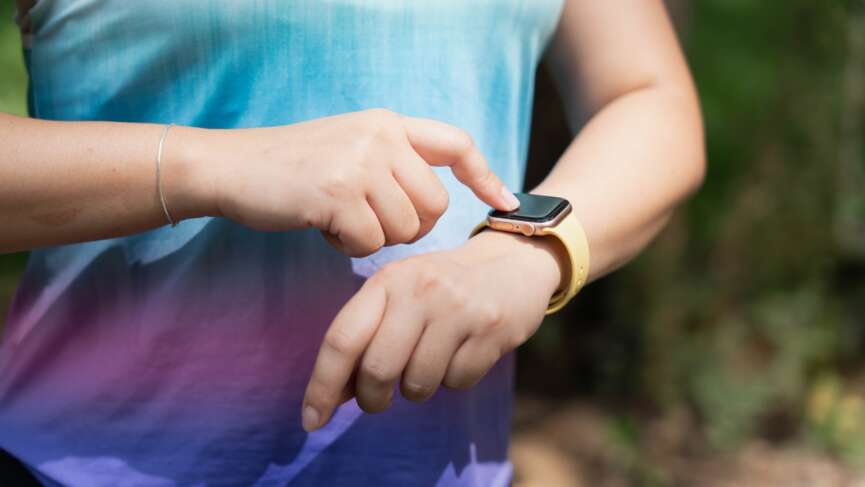
    What if your smartwatch could warn you before your heart sends you to the hospital? Not after symptoms Not after damage. But before you even feel something is wrong. AI is already doing this today.

    It can track subtle changes in your body like rising water weight, changes in your heart rate,
    and even how your breathing patterns shift over time. These are the exact early warning signs that heart failure is getting worse.And here’s the key:You might not even notice these changes yourself.

    But AI can.When those patterns start to change, your care team can be alerted early—before symptoms spiral out of control.That means something simple… like adjusting medications at home.Instead of waiting until you’re short of breath, overwhelmed…and end up in the ER.This isn’t replacing doctors. It’s giving them a head start. But heart failure isn’t the only silent problem AI is catching…

    Some of the most dangerous heart problems… don’t feel like anything at all.Irregular heart rhythms—like atrial fibrillation— can be completely silent.No pain. No warning.No symptoms.

    And yet… they can lead to stroke. In fact, many people who have strokes never knew they had a rhythm problem.

    This is where your smartwatch becomes powerful. Today’s devices use AI to analyze your heartbeat patterns continuously. They’re not just counting beats they’re looking for irregular patterns.

    And when something doesn’t look right, they send an alert.

    That alert can lead to early testing, early diagnosis, and, in some cases, starting treatment like blood thinners before a stroke ever happens.

    One small notification. could prevent a life-changing event.

    And here’s the bigger picture…

    This isn’t futuristic technology.It’s already here. And it’s already being used.

    AI is quietly shifting healthcare from reacting to disease… to predicting it.

    From emergency care… to early intervention. From hospital stays… to care at home. It doesn’t replace your doctor. It strengthens the connection between you and your care team. It gives you time. And in medicine, time changes everything.

    So here’s the question:

    Would you trust AI to help guide your healthcare decisions before things get serious?

    Comment below.

    And follow eHealthyinfo for real, myth-free medicine.

  • Hantavirus Killed Three People on a Cruise Ship| Here Is Everything You Actually Need to Know

    Hantavirus Killed Three People on a Cruise Ship| Here Is Everything You Actually Need to Know

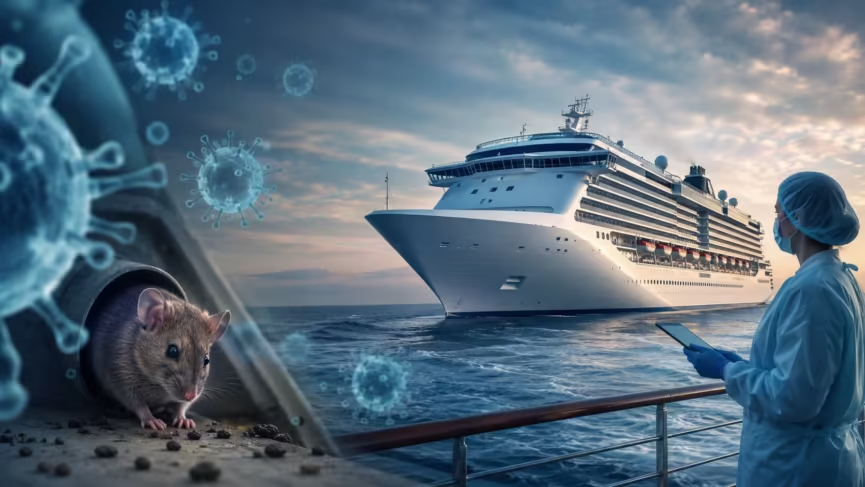
    A cruise ship in the middle of the Atlantic and a virus that most people have never heard of suddenly kills passengers on board. Three people are dead. More are hospitalized across multiple countries and right now, even a month after we first heard of this, governments are still scrambling. Passengers are in quarantine. And your phone is probably full of headlines saying, “What you need to know about this Hantavirus? Is this the COVID virus?”

    In the next few minutes, I’m going to tell you everything you actually need to know about the Hantavirus. What it is, what happened on the ship, and whether you should be worried and what you can actually do. No panic, just facts.

    How It Started

    On April 1st, 2026, a cruise ship left Argentina for an expedition to Antarctica. It carried passengers from across 23 countries. But one passenger had unknowingly brought something dangerous aboard. A Dutch traveler who had spent months traveling in remote parts of South America was likely infected with the Hantavirus. He was likely exposed to infected rodent droppings or contaminated dust.

    At first he was completely fine. Then passengers started getting sick. Fever, muscle aches, breathing problems. At first, it just looked like the flu, but by May 2nd, WHO was alerted. Two passengers were already dead. Another was critically ill. Lab tests confirmed the cause, Hantavirus, specifically the Andes strain.

    Right now, there are 10 confirmed and probable cases of the Hantavirus, three deaths, and quarantine across multiple countries. A virus most people had never heard of is making headlines across the world.

    What Is Hantavirus?

    It’s not something that comes up in everyday life, folks. Hantavirus is not a single virus. It’s a family of viruses. Think of it like how flu isn’t just one thing. There are many strains of flu. Same idea here.

    These viruses live in rodents, wild mice, rats, moles. But the rodent itself feels completely fine. It carries the virus but does not get sick. But when a human comes in contact with the infected droplets, urine or saliva, that’s where things can go wrong.

    You don’t have to touch the rodent. Remember, just breathing in dust from dried droppings in an enclosed space can be enough. Scary, right?

    Two Types of Disease

    Now once it gets to a human it can cause two main types of disease. It can specifically attack your lungs or attack your kidneys.

    The first one that attacks the lungs causes something called the Hantavirus Pulmonary Syndrome. It starts like a flu like all others, fever, chills, muscle aches, but around day 4 to 10 it can suddenly attack the lungs. You can have severe difficulty breathing and it can deteriorate really, really fast.

    The other variety is more common in Europe and Asia. The Hantavirus tends to attack the kidneys instead of the lungs and we call it the Hantavirus Hemorrhagic Fever with Renal Syndrome. It just means that it has bleeding and we do have kidney failure in this kind of involvement, but it has lower death rates than the one that attacks lungs, but still serious.

    Treatment and Survival

    Regarding treatment, there’s no specific treatment for the Hantavirus. No antiviral drug we know of so far, no vaccine yet, which is exactly why early supported care matters so much. If someone gets to a hospital early enough with oxygen support, with ECMO in severe cases, survival can go up to 80%.

    Timely identification is everything in Hantavirus.

    Now, here’s the key number I want you all to remember. Among patients who develop the severe respiratory symptoms, about 38% die. That sounds terrifying, right?

    Is This the New COVID?

    The question everyone is asking now is, is this the new COVID? I want to answer it directly as a doctor. No. This is not the next COVID. And here are three specific reasons why.

    Number one, we already know this virus. Hantavirus has been known to us since the Korean War in the 1950s. Scientists have been studying it for decades. This is not a mysterious new virus at all. We know how it behaves.

    Number two, it does not spread easily between people. You got to remember this fact. It does not spread easily between people. Almost every single case of Hantavirus in history has come from direct contact with rodents or their droppings. The Andes strain, the one on this ship, is the only exception. And even it requires close prolonged contact with a symptomatic person, kissing, sharing utensils, and extended time in the same enclosed space. Those are the ways it can be transmitted. Casual contact like sitting near someone or passing them in a hallway, that’s not how it spreads.

    Number three, this virus does not mutate rapidly. COVID was dangerous because it kept changing. We heard new strains coming every day, every week, new challenges. Scientists who analyzed past Hantavirus outbreaks found that the virus remained genetically stable. The WHO director said it clearly last week and I want you to hear this, this is not the start of something like the COVID pandemic. This spreads very, very differently.

    And one more thing, in the entire United States across 30 years of tracking, there have been fewer than 900 confirmed cases of Hantavirus total. In 30 years of tracking.

    Who Actually Needs to Be Concerned?

    If you were on the ship, or were in close contact with someone who was, yes, you should be in contact with your doctor immediately and you will need a quarantine or a monitoring period of around 42 days. That means a quarantine of around 6 weeks.

    If you live or work in rural areas, especially if you are cleaning out closed old spaces, barns, sheds, cabins, storage rooms, and you see signs of rodents, you need to be careful. This is your relevant risk.

    And for everyone else, that is for the vast majority of people who are watching this, your day to day risk is extremely low. The authorities have been clear. Routine travel can continue. No need to change your plans yet. The people in serious danger were in a very specific, very unusual situation involving weeks of close contact with one infected person.

    Final Thoughts

    I don’t want you all to panic about the Hantavirus. Look, I understand why this story is making people nervous. A mysterious virus, a cruise ship, and death across multiple countries, those headlines that pop up every morning are designed to make you anxious. And I was anxious too the first few weeks, like what’s going on there?

    But anxiety without information helps no one.

    What I want you to walk away from this with is this, Hantavirus is real. It is serious and this specific outbreak is being actively managed by healthcare authorities across the world. But for the majority of people like us, including you and me, the risk is very low.

    You don’t need to panic. You need to be informed.


  • How AI Is Changing Sepsis Detection Before It’s Too Late

    How AI Is Changing Sepsis Detection Before It’s Too Late

    This is where AI has become a game changer, not just treating illness, but preventing some of the most dangerous problems that many people don’t know about until something goes wrong. This is where AI steps in.

    AI Has Changed So Much in Sepsis

    Sepsis doesn’t always start dramatically. Sometimes it’s just a mild fever. A small lab change. A subtle shift in heart rate or breathing  easy to miss.

    By the time we recognise sepsis, it might be too late. Organs may already be struggling.

    This Is Where AI Makes a Big Difference

    It can scan thousands of data points at once, track vital signs over time, and detect dangerous patterns earlier than we can  sometimes hours earlier.

    That means:

    • ✅ Earlier antibiotics
    • ✅ Earlier intervention
    • ✅ Fewer ICU admissions
    • ✅ More lives saved before things get out of control

    Getting the Right Care at the Right Time

    This is just using care wisely, getting the right care at the right time. Those are the times when AI can guide you.

    Would You Trust AI With Your Health?

    So here’s the question, would you trust AI to help guide your healthcare decisions before things get serious?

    Drop a comment below.

  • Why Is Your Gut the Missing Piece in Cancer Cachexia?

    Why Is Your Gut the Missing Piece in Cancer Cachexia?


    Why Is Your Gut the Missing Piece in Cancer Cachexia?

    Your gut isn’t just where food gets digested. It’s an immune organ, a hormonal organ, and a signaling hub that talks directly to your brain, your muscles, and your inflammatory system. And in cancer cachexia, it’s one of the first things to break down.

    The gut lining in cancer patients is destroyed by the combined assault of tumor-driven inflammation and chemotherapy toxicity. The intestinal barrier, which normally acts as a selective gateway controlling what enters the bloodstream, becomes leaky. Bacterial products cross into circulation, amplifying systemic inflammation and accelerating the cytokine storm driving muscle wasting.

    Simultaneously, the healthy balance of bacteria that regulate appetite hormones, produce short-chain fatty acids, and modulate immune responses gets disrupted. Ghrelin signals become weak. Satiety signals are activated. The gut is actively suppressing appetite and amplifying inflammation at the same time.

    At this point, the gut doesn’t absorb any nutrients from any meal because the intestinal surface responsible for absorbing them has been compromised. Calories and protein pass through without being captured. This is the hidden reason why nutritional support alone doesn’t work in advanced cachexia.

    Gut microbiome restoration is now one of the most actively researched frontiers in cachexia treatment, and the early signals are genuinely promising.

    The gut is the missing conversation in most cachexia discussions. Follow because this series is connecting every piece of the puzzle.

  • Why Your Body Can’t Use the Food You Eat |  The Pancreas and Cancer Cachexia

    Why Your Body Can’t Use the Food You Eat | The Pancreas and Cancer Cachexia

    You’re eating. The calories are going in. But your body is failing to use them. The muscle isn’t rebuilding. The energy isn’t there. And the organ behind this silent breakdown is one most people never suspect the pancreas.

    The muscle isn’t rebuilding. The energy isn’t there. And part of the reason is an organ most people never connect to cachexia: the pancreas. The pancreas controls insulin, which is the hormone that tells cells to absorb glucose and use it for energy. In cancer cachexia, inflammatory signals disrupt this system profoundly. Insulin resistance causes cells to stop responding to insulin’s signal. Glucose metabolism becomes inefficient, and the body shifts into a state of chronic metabolic dysfunction.

    For the muscle, this is particularly damaging. Protein synthesis in muscle requires not just amino acids and calories but a functioning insulin signal to drive those nutrients into the cell. When that signal is blunted, even adequate nutritional intake fails to translate into meaningful muscle repair.

    Pancreatic cancer makes this even more direct. Tumor invasion or compression of pancreatic tissue can impair insulin production itself, compounding the metabolic disruption. But even in non-pancreatic cancers, the inflammatory environment is sufficient to derail glucose regulation significantly.

    This is why some of the most promising cachexia research targets metabolic reprogramming. It is not about feeding the body more, but restoring the signals that process what’s already coming in. Cachexia is as much a metabolic disease as it is a wasting disease.


  • Bone Before Muscle: The Hidden Early Stage of Cancer Cachexia


    In the timeline of cancer cachexia, bone loss comes first. Before the weight drops rapidly, bones are already being dismantled — and almost nobody is watching for it at that stage.

    Bone is a living tissue that is constantly remodeling. Osteoblasts build new bone, osteoclasts break old bone down. And it is cachexia that tips this balance severely toward breakdown. Inflammatory cytokines, particularly IL-6 and TNF-alpha, directly stimulate osteoclast activity while suppressing osteoblast function. GDF-15 plays a very specific role here  increasing osteoclast differentiation and reducing bone formation simultaneously.

    The result is an accelerated bone loss that precedes and predicts the muscle and fat wasting that follows. Structurally, this creates fragility fracture risk, pain, and reduced mobility  all of which then accelerate inactivity, which accelerates muscle loss, completing another destructive loop.

    The clinical implication is important. Bone density monitoring and bone-protective strategies should not wait until cachexia is advanced. Early intervention  with bisphosphonates, vitamin D, weight-bearing exercise, and calcium can slow bone loss before it compounds into the broader wasting syndrome.

    The skeleton is sounding the alarm before any other tissue. Follow the series, because we have one final organ left that interplays in the cachexia loop.

  • Heart Failure With Preserved Ejection Fraction: The Type of Heart Failure Women Should Know About

    Heart Failure With Preserved Ejection Fraction: The Type of Heart Failure Women Should Know About

    There is a type of heart failure that affects women far more often than men, yet many people have never heard of it. It is called Heart Failure with Preserved Ejection Fraction, also known as HFpEF.

    What makes HFpEF confusing is that the heart may still appear to pump normally. Some test results may even look “fine.” But the person may still feel short of breath, exhausted, and unable to do normal daily activities. Too often, these symptoms are dismissed as anxiety or aging.

    The problem in HFpEF is not how the heart squeezes. The problem is how the heart relaxes. When the heart becomes stiff, it cannot fill properly between beats. As pressure builds up inside the heart and lungs, symptoms like breathlessness, fatigue, and exercise intolerance can appear, even when the pumping function looks normal.

    Women make up more than half of all HFpEF cases. Despite this, they are often diagnosed later and may receive less aggressive treatment. This makes HFpEF not just a heart condition, but also a major diagnostic gap in women’s health.Several risk factors may affect women’s hearts differently. High blood pressure, obesity, and diabetes can all increase the risk of HFpEF. Diabetes is especially important. It raises the risk of heart failure much more strongly in women than in men.

    Hormonal changes may also play a role. After menopause, estrogen levels decline. This can increase inflammation, stiffen blood vessels, and raise the risk of heart failure. Pregnancy history matters too. Women who have had preeclampsia may have a higher risk of developing heart failure later in life, sometimes decades after pregnancy.

    What is especially concerning is that women with HFpEF may live longer with the condition but experience worse symptoms and lower quality of life. Some treatments may work particularly well in women, but women are still underrepresented in many clinical trials. Because of this, we still do not fully understand how HFpEF behaves differently in women and men.

    So, if you have a history of high blood pressure, diabetes, obesity, menopause-related symptoms, or preeclampsia, it is important to pay attention to your heart health.

    Shortness of breath should not be ignored. Fatigue should not always be brushed off. And women deserve to have their symptoms taken seriously. HFpEF is common, often missed, and especially important in women’s health. The more we talk about it, the earlier it can be recognized.

  • Cachexia and the Heart | What Patients and Clinicians Should Know

    Cachexia and the Heart | What Patients and Clinicians Should Know

    We talk about cachexia destroying skeletal muscle in our arms, legs, and core. But there is another muscle nobody talks about: the heart. And cachexia attacks it too.

    Cardiac cachexia is the wasting of heart muscle, which develops as the same inflammatory cytokines driving skeletal muscle loss reach the heart. The heart muscle atrophies. Contractility weakens. The heart pumps less effectively with every beat.

    The downstream effects are devastating and interconnected. Reduced cardiac output means less oxygen and fewer nutrients are delivered to the struggling muscles. Fatigue deepens, not only from the cancer, but from a heart that simply cannot keep up with the body’s demands. Physical activity becomes harder, and inactivity accelerates muscle loss even further.

    What makes cardiac involvement particularly dangerous is that it is largely invisible until it becomes severe. Patients and even clinicians may think that worsening fatigue is due to cancer or chemotherapy. It is easy to miss the heart entirely.

    Monitoring cardiac function in cachectic patients, particularly those with significant weight loss and declining physical performance, is a critical part of comprehensive cachexia care.

  • Why Cancer Patients Lose Weight Even While Eating | Hidden Danger of Cancer Cachexia

    Why Cancer Patients Lose Weight Even While Eating | Hidden Danger of Cancer Cachexia

    If someone you love has cancer and is losing weight even though they are eating, this is for you. This is not just malnutrition. There is something called cancer cachexia. It is a condition where the body keeps losing muscle, even if your loved one is trying to eat. And the hardest part? Food alone may not fix it.

     This happens because cancer creates inflammation inside the body. That inflammation tells the body to break down muscle and fat. So even when your loved one eats more, their body may still keep losing weight. Now, this is very different from simple starvation. In starvation, the problem is not enough food. The body slows down, tries to protect muscle, and uses fat first. And when food is available again, the body can recover.

    But in cancer cachexia, the body is stuck in breakdown mode. Your loved one may lose muscle and fat at the same time. They may feel weaker, more tired, and struggle to keep up with treatment. And here is the part most people miss. Someone can look normal on the scale but still be losing muscle silently.

    Cachexia is more than weight loss. It is your body turning against itself, and for cancer patients, missing it can mean the difference between treatment that works and treatment that fails. And the most important time to act is early. Before severe weight loss. Before weakness sets in.

    This is when doctors can help preserve strength, support treatment, and improve outcomes. Because once cachexia stops responding to treatment entirely, the goal shifts from fighting the disease to managing comfort and preserving dignity. Research backed by ESMO and ASPEN guidelines shows that the early stage of cachexia is the only window where nutrition, movement, and targeted therapy can actually keep patients strong enough to complete their treatment. Miss that window, and everything changes.

    That is why screening at diagnosis, and every two to three months during treatment, is not optional. It is the difference between chasing problems and preventing them. If someone you love has cancer, do not wait for the storm to hit. Do not wait for obvious weight loss. Ask their doctor about cachexia screening early, and keep checking during treatment. Because catching this early can truly make a difference.

Sign Up to Our Newsletter

Be the first to know the latest updates