Blog

  • Can Smartwatch Detect a Silent Heart Problem Before a Stroke Happens?

    What if your smartwatch could warn you before your heart sends you to the hospital?

    Not after symptoms. Not after damage. But before you even feel something is wrong. AI is already doing this today. It can track subtle changes in your body, like rising water weight, changes in your heart rate, and even how your breathing patterns shift over time. These are the exact early warning signs that heart failure is getting worse. And here’s the key: you might not even notice these changes yourself. But AI can.

    When those patterns start to change, your care team can be alerted early, before symptoms spiral out of control. That means something simple, like adjusting medications at home, instead of waiting until you’re short of breath, overwhelmed, and end up in the ER. This isn’t replacing doctors. It’s giving them a head start. But heart failure isn’t the only silent problem AI is catching. Some of the most dangerous heart problems don’t feel like anything at all. Irregular heart rhythms, like atrial fibrillation, can be completely silent. No pain. No warning. No symptoms. And yet, they can lead to stroke.

    In fact, many people who have strokes never knew they had a rhythm problem. This is where your smartwatch becomes powerful. Today’s devices use AI to analyze your heartbeat patterns continuously. They’re not just counting beats. They’re looking for irregular patterns. And when something doesn’t look right, they send an alert. That alert can lead to early testing, early diagnosis, and in some cases, starting treatment like blood thinners before a stroke ever happens. One small notification could prevent a life-changing event.

    And here’s the bigger picture: this isn’t futuristic technology. It’s already here. And it’s already being used. AI is quietly shifting healthcare from reacting to disease to predicting it. From emergency care to early intervention. From hospital stays to care at home. It doesn’t replace your doctor. It strengthens the connection between you and your care team. It gives you time. And in medicine, time changes everything.

    So here’s the question: would you trust AI to help guide your healthcare decisions before things get serious? Comment below.

  • Diabetes Myths and Treatment Explained

    Diabetes Myths and Treatment Explained

    Diabetes Myths and Facts

    In this episode of Myths to Medicine, host Ashma Baruwal, MPH, sits down with endocrinologist Pratikshya Thapa, MD, from the University of South Florida to break down what’s really happening behind the scenes: from insulin resistance to modern treatments like continuous glucose monitors.

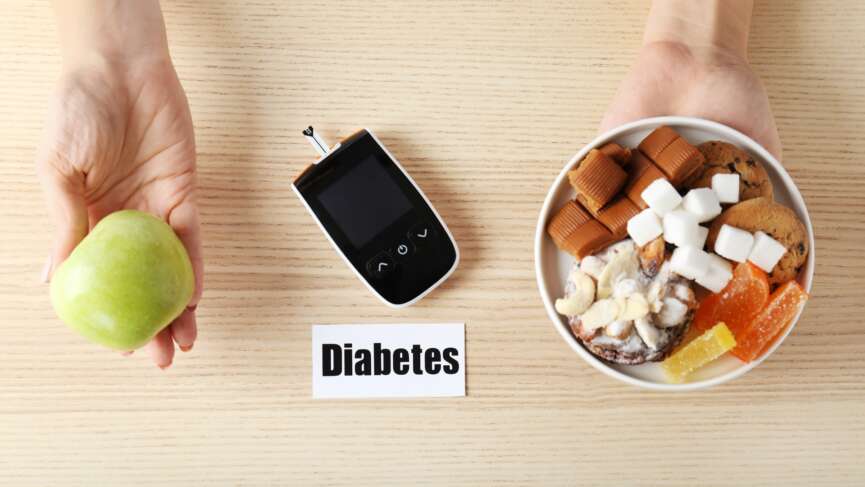
    Your blood sugar may look normal, but is your body actually healthy? Diabetes is no longer just a condition of older adults. It’s showing up earlier, progressing faster, and affecting millions in ways we didn’t fully understand even a decade ago.

    If you’ve ever wondered:

    This conversation will change how you think about diabetes.

    Why is Diabetes Rising in Young People?

    One of the most concerning trends today is how early diabetes is appearing. Over the past decade, type 2 diabetes diagnoses in young people have nearly doubled. Even more alarming, prediabetes now affects about 1 in 3 teenagers in the U.S.

    So what’s driving this?

    Dr. Thapa explains that it’s not just one factor; it’s a combination:

    • Ultra-processed diets are high in sugar and refined carbs.
    • Sedentary lifestyles. (less movement, more screen time)
    • Poor sleep patterns.
    • Chronic stress.
    • And importantly, genetic predisposition.

    We are seeing metabolic disease much earlier, not because the body changed but because our environment did. This shift means that diabetes is no longer something to “worry about later.” Prevention needs to start early, sometimes even in childhood.

    What is Insulin Resistance And Why Does It Matter?

    To truly understand diabetes, you need to understand one key concept: insulin resistance. Think of insulin as a key. After you eat, your blood sugar rises. Your pancreas releases insulin, which acts like a key: unlocking your cells so glucose can enter and be used for energy.

    But in insulin resistance? The key still works, but the lock is jammed. Your cells stop responding properly. Sugar stays in the bloodstream. And your pancreas tries to compensate by producing more insulin.

    Over time, this leads to:

    • Persistently high blood sugar.
    • Increased fat storage.
    • And eventually, pancreatic burnout.

    By the time blood sugar rises, insulin resistance has often been present for years. This is why early lifestyle changes matter: they target the root problem, not just the numbers.

    Common Diabetes Myths (And the Truth You Need to Know)

    Misinformation is one of the biggest barriers to good diabetes care. Let’s break down the most common diabetes myths discussed in the podcast.

    1. Myth 1: Only Overweight People Get Diabetes

    This is one of the most harmful misconceptions. While obesity increases risk, many people with a normal weight develop type 2 diabetes—especially those with:

    • Family history.
    • Visceral (hidden) fat.
    • South Asian or other high-risk ethnic backgrounds.

    Weight is part of the story, not the whole story.

    2. Myth 2: Honey and Brown Sugar Are Better Than White Sugar

    This sounds healthy, but it’s misleading. Your body processes:

    • Honey
    • Brown sugar
    • White sugar

    In very similar ways, when it comes to blood sugar spikes. The real issue is total sugar load, not the “type” of sugar.

    3. Myth 3: You Must Cut Out All Carbohydrates

    Carbs are not the enemy. In fact, your body needs carbohydrates for energy. The key is choosing the right type:

    • Whole grains.
    • Fiber-rich foods.
    • Vegetables.

    Refined carbs (white bread, sugary drinks, processed snacks). It’s not about removing carbs—it’s about choosing smarter carbs.

    4. Myth 4: Starting Insulin Means You Failed

    This myth creates unnecessary guilt and delays treatment. Type 2 diabetes is a progressive condition. Over time, the pancreas produces less insulin.

    Needing insulin doesn’t mean failure—it means:

    • Your body needs additional support.
    • You’re treating the disease appropriately.

    Insulin is not a punishment; it’s a tool.

    Myth 5: Weight Loss Drugs Can Cure Diabetes

    Medications like Ozempic have changed the landscape of diabetes care.

    They can:

    • Improve blood sugar.
    • Support weight loss.
    • Reduce cardiovascular risk.

    But they do not cure diabetes. What they can do is help patients achieve remission, especially when combined with lifestyle changes.

    How is Diabetes Treatment Changing Today?

    Diabetes care is evolving rapidly, and this is where things get exciting.

    1. Continuous Glucose Monitoring (CGM)

    CGMs are one of the biggest breakthroughs in modern diabetes care.

    These small wearable devices:

    • Track glucose in real-time.
    • Show trends. (not just single numbers)
    • Help patients understand how food, stress, and sleep affect them.

    Instead of guessing, patients can now see what’s happening inside their body live. This has been a game-changer not just for people with diabetes, but also for those with prediabetes and metabolic risk.

    2. Personalized Medicine

    We are moving away from a “one-size-fits-all” approach.

    Now, treatment is tailored based on:

    • Individual risk factors.
    • Genetics.
    • Lifestyle patterns.
    • Glucose variability.

    3. Focus on Prevention and Early Action

    Perhaps the biggest shift? Treating diabetes before it becomes diabetes.

    This includes:

    • Screening for prediabetes.
    • Addressing insulin resistance early.
    • Lifestyle-first interventions.

    What You Can Do Today (Simple, Practical Steps)?

    You don’t need a complete life overhaul to reduce your risk. Start with these high-impact habits:

    1. Move More

    2. Eat Smarter

    3. Sleep Better

    • Target 7–8 hours of quality sleep.
    • Poor sleep worsens insulin resistance.

    4. Know Your Numbers

    • Fasting glucose
    • HbA1c
    • Consider CGM if high-risk

    Why This Conversation Matters?

    Diabetes is not just about sugar.

    It’s about:

    • Metabolism
    • Hormones
    • Lifestyle
    • And long-term health risks like heart disease

    The earlier we understand it, the more power we have to change the outcome.

    Diabetes doesn’t start the day you’re diagnosed; it starts years earlier.

    Frequently Asked Questions

    1. What are the main types of diabetes?

    • Type 1 diabetes: An autoimmune condition where the body doesn’t produce insulin.
    • Type 2 diabetes: Driven by insulin resistance and lifestyle/genetic factors.

    2. Can type 2 diabetes be prevented?

    Yes, many cases of type 2 diabetes can be prevented or delayed through the following:

    • Healthy diet
    • Regular physical activity
    • Weight management

    3. Can diabetes be reversed?

    While not “cured,” some people can achieve remission with:

  • How AI Helps Radiologists Detect Cancer?

    How AI Helps Radiologists Detect Cancer?

    What is AI Cancer Detection?

    What if AI could double-check your scans and catch cancer earlier than ever before? Because when it comes to cancer, earlier changes everything. The earlier cancer is found, the easier it is to treat. But here’s the challenge: even expert radiologists can miss subtle findings, especially in early stages. They’re human. They review hundreds and sometimes thousands of images. This is where AI steps in. AI scans imaging pixel by pixel, looking for patterns the human eye might overlook. Everything from tiny changes, subtle shadows, and early warning signs. That means earlier detection, smaller surgeries, less aggressive treatments, and better survival. AI isn’t replacing your doctor. It’s giving them something powerful, a second set of eyes that never gets tired, and in some cases, AI is catching what we used to miss entirely.

    Here’s something surprising: Up to 25% of polyps can be missed during a colonoscopy. And those polyps? They can turn into cancer. But AI is changing that. During a colonoscopy, AI can watch the screen in real time and flag suspicious areas instantly. Almost like having an assistant that never looks away. In large studies involving thousands of patients, AI has been shown to significantly increase detection rates. And yes, this technology is already FDA-approved and being used today. Catch polyps early, and you may prevent cancer entirely. This isn’t about AI versus doctors. It’s about AI + doctors. Working together to catch cancer earlier when it’s most treatable.

    Follow eHealthyinfo for real, myth-free medicine.

  • Effects of Sleep Deprivation in Teenagers

    Effects of Sleep Deprivation in Teenagers

    Teen Sleep Deprivation Report

    Did you know that nearly 75% of high schoolers in the US aren’t getting enough sleep? And many KIDS are getting 5 hours or less of sleep per night. This comes from a 2026 national Youth Risk Behavior Survey report. And no—it’s not just because they’re lazy or glued to their phones.

    Mental Health Effects of Poor Sleep

    Lack of sleep has been linked to poor academic performance, depression, and long-term physical health problems. So what’s really going on? This is where it gets interesting. During puberty, teens experience a natural shift in melatonin, their sleep hormone. Which means they can’t fall asleep early, even if they try. But schools still start as early as 7:30 AM, forcing teens to wake up when their brains still need sleep.

    How Screen Time Affects Teen Sleep?

    And then there’s the screen. Evening and bedtime screen use delays sleep even more and shortens total sleep duration. So this isn’t just a teen problem; it’s a system problem. Studies show that later school start times lead to longer sleep, better performance, and even reduced depression symptoms. This is something teachers, parents, and students all agree on.

    Is Teen Sleep a Public Health Issue?

    And at home, small changes matter, like reducing screen use before bedtime. Because sleep may feel like a personal choice, but in teenagers, it’s a public health issue. Our schools, families, clinicians, and even tech companies all have a role to play. If we want healthier teens, we need to build healthier systems. Do you think school start times should be later? Drop your thoughts below. and follow eHealthyinfo for more informational videos.

  • How Anti-Inflammatory Diet Improves Health?

    How Anti-Inflammatory Diet Improves Health?

    How to Identify Trigger Foods and Reduce Inflammation?

    One study showed that switching to an anti-inflammatory diet in middle age was almost as protective as making those changes early in your life. So now you know it. Let’s be clear. There is no magic food that fixes inflammation. The goal is not just one food. It’s your overall immune system. Here’s how it works. You temporarily remove foods that commonly trigger an immune response, like green legumes, eggs, dairy, nuts, and seed products. Think of this as a reset for your immune system.

    And then wait and watch what really changes for about four to eight weeks. You really focus on meat and fish, veggies, and fruits. Hilde fasts like olive oil and avocado. During this time, your gut begins to heal. Inflammation drops, and many people feel significantly better. You feel like you are 10 years younger. Then you slowly add back food one at a time. If symptoms like joint pain, digestive issues, or brain fog occur. Remember that food may be a trigger for you. If nothing happens, it means that we are good.

    The food is safe for your body, and here’s the key. Most people don’t have to avoid everything for it. Many end up identifying just a couple of trigger foods, a few trigger foods that can trouble them, and you can avoid those trigger foods that cause inflammation in your body. So let me ask you today, have you ever changed your diet and actually seen immediate benefits in your blood sugar, cholesterol, or blood pressure profile? Let us know in the comments below. We appreciate your feedback. Follow eHealthyinfo for more informational videos.

  • What Is ChatGPT Health?

    What Is ChatGPT Health?

    AI That Reads Medical Records and Apple Health Data

    OpenAI has just launched something that sounds like science fiction. Your AI chatbot can now read your medical records, connect to your Apple Health data, and give you health advice. It’s called ChatGPT Health. Today, let’s explore what it plans to do. Over 230 million people already ask ChatGPT health questions every week. But until now, the answers were generic. ChatGPT Health plans to change that. You can securely connect your medical records through a partner called b.well, the largest network of U.S. healthcare data.  You can even link your account from Apple Health, MyFitnessPal, Function Labs, or even Peloton.

    Now ChatGPT can even access your lab results. Your fitness data. Your medication history. It gives you answers tailored specifically to you. Here’s what you can actually use it for. It explains your lab results simply, so you’re not constantly Googling medical jargon at midnight. It can even help you prepare questions before your doctor’s appointment. It interprets the data from your wearables, like why your sleep score dropped or what your heart rate patterns mean. It can even help you understand your discharge instructions after a hospital visit.

    Even the CEO of OpenAI Applications shared her own story. She was prescribed an antibiotic after a kidney stone. ChatGPT flagged that it could reactivate a life-threatening infection she’d had years before. Her doctor thanked her for speaking up. Your health data lives in a separate, encrypted space. It’s isolated from your regular ChatGPT chats. OpenAI says your health data will live in a separate space. They won’t be able to use your medical conversations to train their AI models. And you can delete your health data at any time.

    But here’s the important part: ChatGPT Health is not for diagnosis or treatment. It’s not replacing your doctor. It’s designed to help you understand and navigate your health between appointments. 

    Follow eHealthyinfo for more informational videos.

  • Can Diseases Really Be Reversed Naturally?

    Can Diseases Really Be Reversed Naturally?

    Natural Ways to Reverse Disease and Improve Health

    Changing your diet might be the most powerful medicine you have. When I started looking into diets that actually reverse disease, I spoke with gut doctors, rheumatologists, and nutritionists across the country, and every single one told me the same thing. Food is information for your immune system. Food is everything for your immune system.

    When you sift away from ultra-processed food towards whole food, your body starts changing at the molecular level. Your gut bacteria begin to shift within days, and the good bacteria produce compounds that reduce inflammation across the entire body. That’s why changing your dietary pattern matters so much.

    And here’s what’s powerful. These changes happen quickly. Within weeks, your blood sugar improves, cholesterol level drops, blood pressure comes down, and the inflammatory markers start coming down. That is why many scientists now believe that it is one of the few tools we have that can actually change the course of chronic disease.

    It’s true, folks. Diet can change the course of chronic disease, and it’ll help you if you start from today. This is especially true in autoimmune conditions where your immune system attacks your own body, conditions like rheumatoid arthritis, inflammatory bowel disease, lupus, and Hashimoto’s. In many of these, diet changes can significantly reduce symptoms. And here’s the encouraging part: it’s never too early, and it’s never too late. One study showed that switching to an anti-inflammatory diet in middle age was almost as protective as making those changes early in your life.

    So let me ask you today, have you ever changed your diet and actually seen immediate benefits in your blood sugar, cholesterol, or blood pressure profile? Let us know in the comments below, or follow us for more health facts. We appreciate your feedback.

  • Utah’s New AI Healthcare Pilot Program

    Utah’s New AI Healthcare Pilot Program

    Utah’s AI Prescription With AI Doctronic

    Utah just became the first state in America to let AI write your prescriptions. No doctor visit required. No waiting room. Just you, a chatbot, and your chronic medication refill. Here’s how it actually works.

    Utah has partnered with Doctronic to launch a 12-month pilot program. If you live in Utah and need to refill routine medications for chronic conditions like diabetes, high blood pressure, or depression, you can do it through AI. You just answer questions on your phone, and then the AI checks for drug interactions. If everything looks safe, your prescription goes straight to your pharmacy in minutes.

    Here’s the process. You confirm you’re in Utah using a selfie and photo ID. The AI pulls your existing prescriptions from a database connected to 95% of pharmacies. A chatbot asks about your symptoms, side effects, and what other medications you’re taking. It will also scan for any red flags. Once you pass those checks? Your refill is approved. Anytime something looks off? You’re routed to a real doctor. 

    However, not everyone is ready for this. The American Medical Association and Public Citizen have raised serious concerns about removing physicians from medical decisions. Follow eHealthyinfo for more informational videos.

  • Longevity Lifestyle – How To Improve Your Health Span?

    Longevity Lifestyle – How To Improve Your Health Span?

    What is Longevity and Why is it Trending?

    Longevity is no longer just a buzzword; it’s a science-backed approach to living longer and healthier. In this in-depth video, we break down what longevity really means and whether you can actually reverse your biological age. You’ll learn the truth behind popular longevity trends like fasting, cold plunges, and the widely debated 10,000 steps rule. We also explore what scientific research says about increasing lifespan and improving healthspan through proven lifestyle changes.

    From sleep and stress management to exercise strategies like Zone 2 training and proper protein intake, this guide focuses on evidence-based habits that truly impact long-term health. We also examine Blue Zone research and separate facts from fiction. If you’re looking to optimize your health, prevent chronic disease, and extend your lifespan naturally, this video provides practical, science-backed insights you can start applying today.

    Myths to Medicine

    Myths to Medicine is an evidence-based podcast by eHealthyinfo, created to cut through the noise and give you research-backed answers to the health questions that matter most to you. In an era where health misinformation spreads faster than ever, and social media is flooded with loud opinions and half-truths, this podcast exists for one simple reason: to replace myths with medicine and confusion with science.

    Hosted by Ashma, each episode features conversations with physicians and experts who break down popular myths using real data, clinical experience, and patient-centered perspectives.

    Meet your Moderator

    Ashma Baruwal, MPH, MSHI. Ashma Baruwal is a public health informaticist with dual master’s degrees in public health and health informatics and an undergraduate degree in pharmacy. With 9+ years of experience spanning clinical systems, health data analytics, and global health initiatives across three continents, she brings a thoughtful, data-driven, and approachable style to each conversation.

    First Episode – Longevity

    Can we really extend our lifespan? Do vitamins help? We start by asking the right questions and tackling the myths and facts around living longer. Discover what science says about longevity and what’s just marketing. Whether you are a patient, caregiver, student, or healthcare professional, Myths to Medicine is your space for science you can trust.

  • How to Detox your Kidneys Naturally?

    How to Detox your Kidneys Naturally?

    What to Eat to Clean or Detox Kidneys?

    Naturally cleanse your kidneys; that’s like cleaning your water filter. I am not a longevity guru, but these three foods do the heavy lifting for you.

    • Lemon Water: It increases citrate levels that prevent kidney stones from forming. 
    • Beets: High in antioxidants that reduce inflammation and support kidney filtration. 
    • Water: Sounds simple, but staying hydrated is the single best way to flush toxins and keep kidneys healthy. Your kidneys need water to filter waste properly.

    Tag someone who needs better kidney health. Prevention starts with what you drink and eat. Follow eHealthyinfo for more information and videos.

Sign Up to Our Newsletter

Be the first to know the latest updates