Blog

  • Colonoscopy: Iron Deficiency, Procedure, and Age Guidelines

    Colonoscopy: Iron Deficiency, Procedure, and Age Guidelines

    Colonoscopy for Iron Deficiency

    Have you ever been told you need a colonoscopy for iron deficiency anemia and wondered why? If so, you are in for the right video. 

    Iron deficiency anemia occurs when your body doesn’t have enough iron to produce healthy red blood cells. Iron is vital for making hemoglobin, the protein that carries oxygen in your blood. Without enough iron, you may feel fatigued, weak, or short of breath. But sometimes, the cause of iron deficiency isn’t obvious; it’s not just about diet or heavy periods. That’s when doctors start looking deeper.

    A colonoscopy is advised for iron deficiency anemia when there’s a suspicion of hidden blood loss in the digestive tract. Your colon, or large intestine, can sometimes bleed slowly due to conditions like polyps, colorectal cancer, or inflammatory bowel disease, and this blood loss might not be visible. The American Gastroenterological Association states that patients with iron deficiency have a higher prevalence of gastrointestinal malignancies, including colorectal cancer, compared to asymptomatic individuals. A colonoscopy can help your doctor examine the inside of your colon to identify and treat these hidden causes. 

    What Happens During a Colonoscopy?

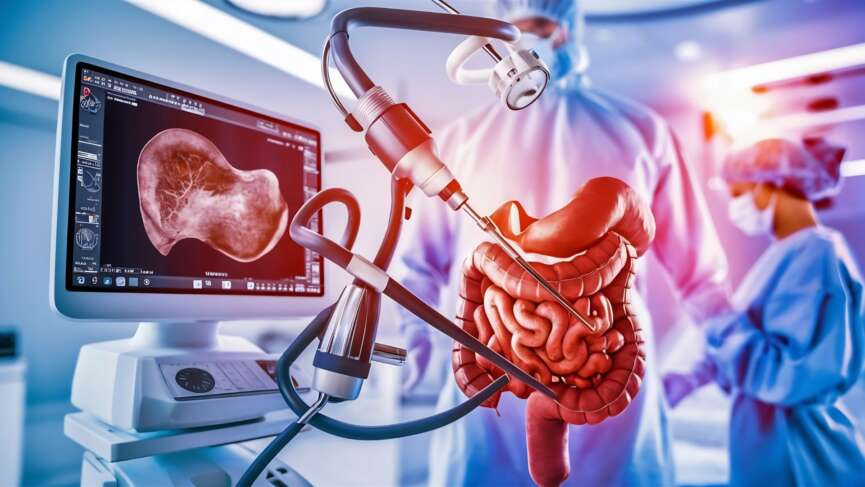
    A colonoscopy is a simple procedure. It involves using a thin, flexible tube with a camera at the tip to look at the lining of your colon. It might sound intimidating, but it’s a safe and routine test. You’ll usually be sedated, so you’re comfortable during the procedure. If doctors spot polyps or other abnormalities, they can often treat them right away, which could prevent more serious health issues down the line.

    Colonoscopy Age Recommendations

    A colonoscopy can be life-saving when it comes to uncovering serious conditions like colorectal cancer early. But not everyone with iron deficiency anemia needs one. It depends on factors like age, medical history, and other symptoms. Dietary causes or menstrual blood loss are more common culprits for younger individuals, so you might not need a colonoscopy. A colonoscopy becomes more important for older adults, especially those over 50 or anyone with gastrointestinal symptoms.

    So, now you know. A colonoscopy is a proactive way to protect your health. For more health tips and insights, like and subscribe to stay updated.

  • Why Do Some Women Have Twins, Triplets, or More?

    Why Do Some Women Have Twins, Triplets, or More?

    Causes of Multiple Pregnancy

    If you’ve ever wondered why some women carry more than one baby at a time. You might have heard of more than one baby, such as twins, triplets, or quadruplets and are wondering how it is possible. Some women carry more than one baby for a few different reasons. Let’s jump into it.

     A woman may release more than one egg during ovulation for non-identical twins or higher-order multiples like triplets. If multiple eggs get fertilized by different sperm, multiple pregnancies occur. This is more likely if you have a family history of multiple pregnancies, especially on your mother’s side, or if you are 35 years or older. This is due to the higher levels of follicle-stimulating hormone, which can lead to the release of multiple eggs during one cycle of ovulation. You might have heard of Assisted reproductive techniques, like in vitro fertilization. This can lead to multiple pregnancies. When undergoing the technique, your doctor may implant more than one embryo to increase the chance of pregnancy. This can result in twins or more. Plus, if you are on Fertility medications like clomiphene citrate – they stimulate the ovaries and can lead to the release of multiple eggs. A study done in Mexico showed that women of African descent have higher rates of multiple pregnancies, while women of Asian descent have lower rates. Genetics and certain inherited traits definitely play a role here. Some women naturally produce higher levels of follicle-stimulating hormone. This encourages the ovaries to release more than one egg at a time and have multiple pregnancies. Plus, If you have already had twins or triplets, you have a higher chance of having another multiple pregnancy in the future. Whether it’s twins or triplets, it’s always fascinating to see how nature or sometimes science brings multiple little ones into the world.

    Follow ehealthyinfo for information like this. 

  • Understanding Glaucoma: Key Facts and Medication Options

    Understanding Glaucoma: Key Facts and Medication Options

    5 Facts on Glaucoma and Eye Drops 

    1. Glaucoma eye drops primarily work by lowering the pressure in your eyes. By reducing the pressure, these medications help prevent damage to your optic nerve. This saves you from having further vision loss. 
    2. There are different types of glaucoma medications, such as Xalantan, Timoptic, Alphagon, Trusopt, Cosopt, and Vyzulta. Some decrease the production of fluid that builds up the pressure, while some increase the drainage of that fluid. 
    3. It is essential to take your glaucoma medication exactly as told by your doctor. Missing doses or not using them correctly can cause increased eye pressure and may result in irreversible vision loss. 
    4. These medications can cause side effects such as red eyes, stinging, blurred vision, changes in eye color, and dry eyes. While these are local side effects, some can also cause fatigue, low blood pressure, or shortness of breath.
    5. You need to continue monitoring your pressure even when you are strictly following your medication regimen. 

    I hope this was helpful. Talk to your doctor to know more and follow ehealthyinfo.

  • What Are The Differences Between Natural and Artificial Sweeteners?

    What Are The Differences Between Natural and Artificial Sweeteners?

    Natural vs Artificial Sweeteners

    Are you trying to cut back on sugar but unsure if stevia is the right choice? Let’s explore what sets them apart and help you decide which one is better for you.

    Sugar is the classic sweetener we all know and love. It’s natural, derived from sugarcane or sugar beets, and the primary sweetening compound in sugar is sucrose. It adds that rich sweetness to your favorite desserts, coffee, or tea. But here’s the catch: too much sugar can lead to weight gain, spikes in blood sugar levels, and long-term issues like diabetes and heart disease. The World Health Organization recommends limiting added sugar to no more than 10% of your daily calories, yet most of us consume far more. 

    On the other hand, stevia comes from the leaves of the Stevia rebaudiana plant. The primary sweetening compounds in stevia are steviol glycosides, including stevioside and rebaudioside A, which are 50 to 350 times sweeter than sucrose. And the good news is it has almost zero calories and doesn’t spike your blood sugar levels like sugar. This makes it an attractive option for people managing diabetes or watching their weight. It’s widely used in drinks, baked goods, and processed foods. 

    But is stevia too good to be true? For the most part, it’s considered safe when used in moderation. However, some people find that it has a slightly bitter aftertaste. And while it’s natural, many store-bought stevia products are highly processed, so it’s not as pure as raw stevia leaves. Always check the labels to ensure you’re getting a good-quality product.

    So, which one should you choose? If you want to reduce calories and control blood sugar, stevia might be the way to go. But if you prefer the taste and don’t have health concerns, small amounts of sugar can still fit into a balanced diet. The key is moderation; too much of either isn’t ideal.

    Follow eHealthyInfo for more informative videos

  • Are Kidney Transplants Dangerous? Discover the Key Facts

    Are Kidney Transplants Dangerous? Discover the Key Facts

    Kidney Transplant – Benefits and Myths

    Are you or a loved one dealing with kidney failure? A kidney transplant might be the solution you’ve been looking for. One of the biggest benefits of kidney transplants is the freedom from dialysis. Dialysis can take up so much of your time and energy, making it hard to balance work, family, and daily life. With a successful transplant, you can regain that time and enjoy a more active lifestyle. 

    1. However, there are many myths about kidney transplants. Let’s clear up a few common ones. One myth is that obesity prevents a successful kidney transplant. While obesity does increase the risk of certain complications like infections, obese people can still achieve great results post-transplant. 
    2. Another myth is that kidney transplantation increases the risk of heart problems compared to staying on dialysis. Although transplant patients have a higher cardiovascular risk than the general population, the benefits of transplantation, like better survival rates and an improved quality of life, are way more than these risks. 
    3.  Lastly, there’s a myth that women who’ve had a kidney transplant should avoid pregnancy.The truth is women with a functioning transplant do face higher risks for complications like increased blood pressure during pregnancy, but you still can have a safe pregnancy. A kidney transplant can be life-changing. It is important to separate fact from fiction and make informed decisions about your health.
  • What Are the Essential Strategies for Managing Food Allergies?

    What Are the Essential Strategies for Managing Food Allergies?

    Do’s and Don’ts for Managing Food Allergies

    Have you ever wondered how to navigate the world of delicious eats when you have a food allergy? Well, you’re in the right place! 

     Do’s for food allergies

    • First, you should carefully read food labels and understand cross-contact risks during food preparation. This will help you avoid allergens that might go unnoticed. 
    • Next up, spread the word! Let your friends, family, school, and workplace know about your food allergy. This way, they can support you and help keep you safe.
    • Carry your Epipen with you all the time. They can come in handy in case of an emergency. 
    • Communicate food allergies with restaurant staff or people involved in food preparation for a safe dining experience, and notify airlines and cabin staff if you are flying.

    Don’ts for food allergies

    • Avoid unnecessary dietary restrictions. Many people avoid a lot of food in fear of a reaction, but these restrictions keep you from enjoying your life and cause nutritional deficiency. 
    • Never dive into a dish without knowing what’s in it, even when you are at your relatives’ or friends’ home. Always take a moment to check the ingredients.
    • Do not delay taking an Epipen shot if you think you are having an allergic reaction. This is the most important part of allergy management. 

    Hope this was helpful. Follow ehealthyinfo for more information like this.

  • Stages of Kidney Stone Formation: A Step-by-Step Breakdown

    Stages of Kidney Stone Formation: A Step-by-Step Breakdown

    How Long Does it Take a Kidney Stone to Form?

    Have you ever wondered how those tiny yet pesky kidney stones form? Let me break it down for you. Kidney stones are hard, pebble-like pieces that form in the kidneys when certain substances in the urine, like calcium oxalate, calcium phosphate, and uric acid, become too concentrated. Normally, these substances are present in urine, and they are dissolved and flushed out. When the levels of minerals like calcium, oxalate, uric acid, or cystine in the urine get too high, they can’t stay dissolved and start sticking to each other to form tiny crystals. These tiny crystals act as seeds, and they start to grow as more minerals stick to them. The tiny crystals stick together to form larger particles. Factors like urine acidity and the presence of other substances can influence how easily this happens. The growing crystals need to stay in the kidney to continue forming stones. They can stick to the kidney’s inner surface or existing deposits like calcium plaques. When urine is unable to flush them out, these crystals can grow. 

    Over time, the crystals can clump together and get bigger, turning into stones. If the stone stays small, it might pass out of your body without you even knowing. But if it gets bigger, it can block the flow of urine and cause pain, especially when it tries to move through when you urinate.

    Hope this was helpful. Follow ehealthyinfo for more information like this. 

  • How To Save Someone From Hypothermia?

    How To Save Someone From Hypothermia?

    How to save someone from an extreme cold?

    With winter in full swing, it’s crucial to know how to keep your family safe in cold weather. Today, we’re diving into the top 5 dos and don’ts while helping someone with extreme cold.

    1. Move the person indoors or to shelter as quickly as possible, getting them out of the cold environment.
    2. Remove wet clothing and wrap them in a blanket, sleeping bag, or dry towel, ensuring their head is covered to retain body heat.
    3. Offer a warm, non-alcoholic drink and some sugary food like chocolate if they’re fully awake. This provides an energy boost and helps raise their body temperature.
    4. Keep them awake by engaging in conversation until help arrives. This helps maintain their alertness and prevents further complications. Make sure that someone stays with them. Providing continuous support and monitoring is so important  in this situation.
    5. Do not use direct heat sources like heating pads, electric blanket, or hot water bottles directly on skin, as they can cause burns or sudden change in body temperature.

    Hope this was helpful, follow ehealthyinfo to learn more.

  • How Does Smoking Impact Your Lungs?

    How Does Smoking Impact Your Lungs?

    Smoking and Lung Health: How Does It Affect Your Respiratory Function?

    Do you smoke cigarettes? Here are five facts you need to know about smoking and its effect on your lungs. 

    1. The first one is damage to lung tissue. Smoking damages the bronchial tubes and air sacs, increasing the chance of respiratory infections like pneumonia and influenza.
    2. Smoking affects lung functions. This can be measured by the amount of air you can expire in one second, using a spirometry test. Smokers experience a greater decline than nonsmokers.
    3. Smoking is the leading cause of lung cancer. Smokers are ten times more likely to develop lung cancer than nonsmokers.
    4. You do not have to smoke directly; even secondhand smoking can increase your risk of lung cancer and other conditions like asthma and respiratory infections. 
    5. Quitting smoking can lead to significant improvements in lung health over time. Within months of quitting, lung function begins to improve, and the risk of lung diseases, including lung cancer, decreases. 

    Hope this was helpful. Follow ehealthyinfo for more information like this.

  • Iron Deficiency and Skin Changes

    Iron Deficiency and Skin Changes

    5 Skin Changes in Iron Deficiency

    Did you know your skin can tell you have iron deficiency anemia? Yes, you heard me right; let me tell you five skin changes that you can see:

    1. Pale Skin: If you look in the mirror and notice that your skin does not have the rosy glow, then it is likely that you have low levels of hemoglobin in your blood. This is one of the most common signs that you can see if your body has low iron levels. 
    2. Hair loss: We all lose some scalp hair every now and then. But if you are having hair loss more than usual, it could be a signal from your skin that your iron levels might be running low.
    3. Nails: You may have thin and concave nails, often called spoon-shaped nails. Your nails can also become brittle and easy to break when you have iron deficiency anemia
    4. Cracked and Sore Corners of the Mouth: This occurs due to the body’s decreased ability to repair skin cells effectively. 
    5. Dry and Rough Skin: Iron is important for maintaining healthy skin and tissues. If your skin is severely dry, you may even experience intense itching. 

Sign Up to Our Newsletter

Be the first to know the latest updates