Blog

  • Febrile Seizures in Toddlers & Infants

    Febrile Seizures in Toddlers & Infants

    Do’s and Don’ts for Febrile Seizures in Child

    First, let’s talk about the do’s:

    1. When your child is seizing, gently place your child on the ground and put them sideways. This will prevent them from choking. 
    2. Remove nearby objects that may cause injury. 
    3. If they have tight clothes around their head and neck, loosen them up. 
    4. Watch if your child has any breathing problems. If you see your child is turning blue, he might be lacking oxygen. 
    5. While watching your kid, ask someone to start sponging him to get the fever down. Do not give any medication while having a seizure. 
    6. Note the duration of the seizure. This will help estimate the effect of the seizure on your child. 
    7. After the seizure ends, ensure nothing in their mouth or throat might affect their breathing. This will prevent any chance of aspiration.
    8. Give your child Tylenol once the seizure has stopped and he has gained full consciousness. 
    9. Seek medical help if the seizure lasts for more than five minutes. 

    Now, let’s talk about the don’ts:

    1. Do not restrain your kid. This only makes things worse.
    2. Do not put anything in their mouth or throat while they are having a seizure. They may choke or have difficulty breathing. 
    3. Avoid giving oral medications or fluids until the child is fully aware. 
    4. Do not panic. Stay calm and assure the parents or the bystanders.

    Hope this was helpful. Follow ehealthyinfo for more information like this. 

  • What Can You Do for Hearing Loss?

    What Can You Do for Hearing Loss?

    Do’s and Don’ts for Hearing Loss

    Do you have hearing loss? Here are some dos and don’ts to help you with hearing loss

    Do’s for Hearing Loss

    1. You should talk with people in a quieter area. This will help you to focus on what the other person is saying and enhance your understanding. 
    2.  Face the speaker. Facing the speaker helps you to read their facial expressions and gestures.
    3. When needed, you can ask for repetitions, slower speech, or written communication. 
    4. Use noise-cancelling or ear protection devices in noisy environments to safeguard your hearing.
    5. See your ear doctor to determine the progression of your condition and to determine whether you need a hearing aid or are a candidate for cochlear implants.

    Don’ts for Hearing Loss

    1. Don’t listen to music at high volumes; keep it comfortable for your ears. Loud noises are one of the avoidable reasons for hearing damage
    2. Don’t insert fingers or objects like cotton buds into your ears, even if they feel blocked, as it can cause harm to your ear.
    3. Be careful while taking any medication. Some medications, such as gentamicin, cisplatin, and furosemide, can damage your ear. Talk to your doctor before using them for any reason. 
  • Is Hepatitis C Curable? Symptoms, Causes, and Transmission Explained

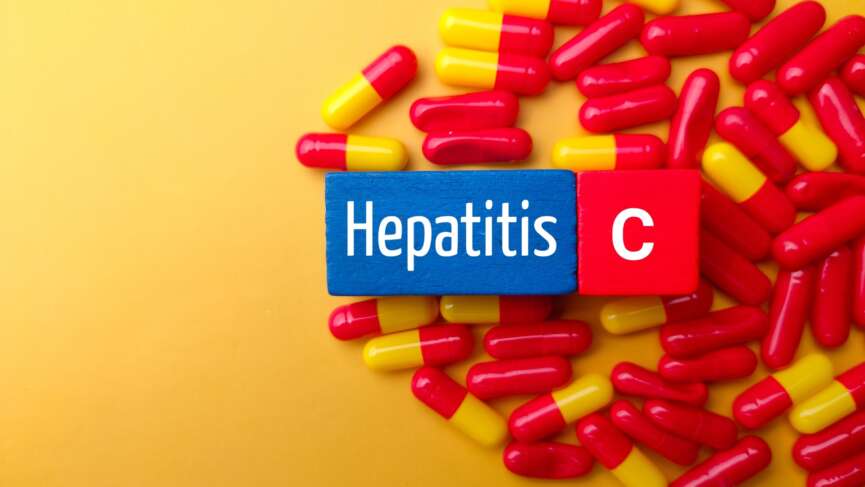
    Is Hepatitis C Curable? Symptoms, Causes, and Transmission Explained

    Hepatitis C Explained

    Hey, health explorers! Ever heard of Hepatitis C? Today, we’re breaking down everything about Hepatitis C.

    What is Hepatitis C Virus?

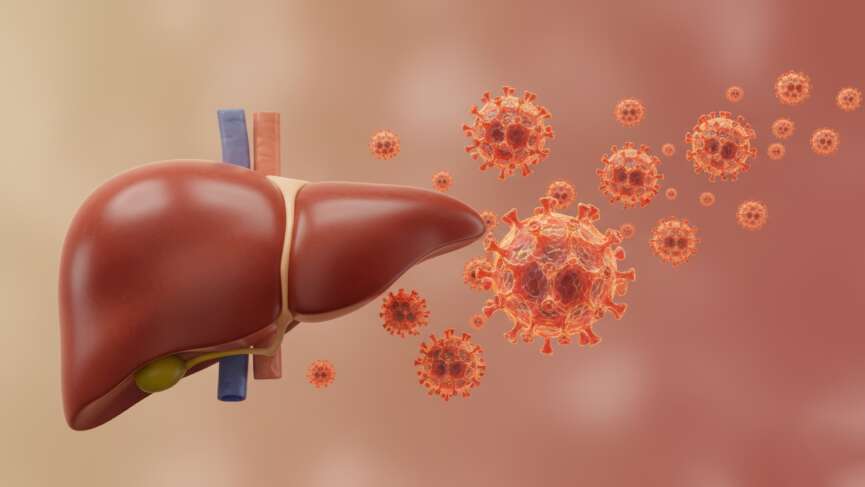
    Hepatitis C virus, like other strains of hepatitis virus, affects the liver. Hepatitis C is very common and usually causes long-term infection. When untreated, it may cause serious damage to the liver. So, how does this virus get inside of us? Transmission may occur when the blood of an infected person enters the body of an uninfected one. This is often through shared needles for drug use. Sharing personal items or unprotected sex are other routes, but they are very rare. An infected mother can also transmit this infection to her baby. 

    Hepatitis C usually has very unnoticeable symptoms. Most don’t realize they’re infected until severe damage is done. Common symptoms of inflammation of the liver include:

    1. Fatigue and tiredness
    2. Feeling sick
    3. Flu-like symptoms
    4. Fever and body aches

    Hepatitis C infection can be acute or chronic. Acute infection usually lasts from weeks to months, and chronic infections can be very long, leading to continued liver inflammation and cirrhosis over time. But worry not—modern medications can cure Hepatitis C with a cure rate of over 90%. The American Association for the Study of Liver Disease recommends combination therapy with oral drugs for 8–12 weeks to treat the disease. 

    There is no vaccine for hepatitis C. We can definitely cure it. There you have it: Hepatitis C explained! Share this video and help spread the message. 

  • Introducing Our Vision & Mission | From Our Family to Yours – E Healthy Info

    Introducing Our Vision & Mission | From Our Family to Yours – E Healthy Info

    E Healthy Info

    Welcome to our channel, where we deliver informative and engaging content tailored just for you!

    Who We Are?

    We are a passionate team dedicated to creating impactful videos that educate, inspire, and entertain. With a commitment to quality and creativity, we bring you well-researched topics that matter.

    How Do We Make Videos?

    Our process combines in-depth research, professional scripting, and advanced editing techniques. We collaborate with experts and ensure every detail is accurate and visually engaging to provide you with the best experience.

    Our Next Announcements

    Stay tuned for exciting updates! We have innovative projects and new series in the pipeline designed to bring you even more value. Don’t forget to subscribe and follow us for all the latest updates.

    Our Vision & Mission

    Our mission is to inform and empower you with accurate health information so you can make the best health choices. Health and wellness content is ever-changing, and there is a variety of untrue information in the market. Our team’s priority is to regularly review and update content to ensure that our content is up-to-date and bridge the knowledge gap between patients and providers. We work with medical students and early-career medical graduates to mine the latest information from accreditable resources. We bring what you’re looking for in an unbiased and easy-to-digest form, so it’s easily understandable. The integrity of our information is crucial to us. Our writers have understood the gap in patient information. They are dedicated to creating content that reflects a variety of backgrounds and comes with years of experience.

    Thank you for being part of our journey!

  • How to Treat Iron Deficiency Anemia in Children?

    How to Treat Iron Deficiency Anemia in Children?

    Treatment of Iron Deficiency Anemia in Children

    Today’s topic is treating iron deficiency anemia in children. Let’s explore how iron deficiency can be treated. Iron deficiency anemia can present with signs like fatigue, paleness, and irritability in children. Dietary adjustments are a big part of treating iron deficiency anemia in children. Food items such as lean meats, poultry, fish, beans, lentils, iron-fortified cereals, and leafy green vegetables are excellent sources of iron. Adding these foods to your kid’s plate can make a huge difference. Besides taking iron-rich foods, you can combine these foods with vitamin C. An article published in Hematology in 2023 described the increased iron absorption from your gut if you take it with vitamin C. So, don’t hesitate to add citrus fruits like lemons, oranges, and strawberries to your child’s diet. Sometimes, diet alone isn’t enough, especially if the deficiency is severe. That’s where iron supplements come into play. These can help boost iron levels and get those red blood cells back in action. These supplements should be taken on an empty stomach or with vitamin C juice to enhance absorption. Regular check-ins with the pediatrician are so important. Remember it. They’ll monitor your child’s progress, adjust treatments if needed, and ensure everything is on track. Remember, early detection and consistent treatment can make a difference in treating anemia in kids. 

  • Depression in Students – Signs, Symptoms, and Behavioral Changes

    Depression in Students – Signs, Symptoms, and Behavioral Changes

    Signs of Depression in Students

    Did you know depression is a common finding in students? Here is how you can recognize them. Depression in students can sometimes be difficult to notice as they can hide their feelings or may have findings not commonly seen in others. 

    Here are four common signs of depression in students:

    1. The first one is emotional symptoms. One can have persistent feelings of emptiness and loss of interest in things they once loved. Some students may have sadness that does not go away, irritability, or feelings of hopelessness.
    2. Students with depression may struggle with cognitive work at school and at home. They may have difficulty concentrating, become indecisive, and develop negative thinking patterns.
    3. Students who once participated in all the activities might stay away from them. They might not even show any interest in going to school and can also have changes in their sleeping and eating habits.
    4. Depression can cause unexplained physical symptoms such as headaches, stomachaches, or other bodily pains. These symptoms might not have a clear medical cause and can interfere with daily functioning.

    If you or your loved one has these signs, talk to them and offer your help.

  • Fever in Adults – When to Worry?

    Fever in Adults – When to Worry?

    Causes of Fever 

    Fever is the rise of your core body temperature. This rise in temperature is controlled by a small gland in your brain called the hypothalamus. When certain organisms infect you, they release substances called pyrogens that can raise your body’s temperature set point. In response to these organisms, your body produces certain substances like cytokines that can change this set point in the hypothalamus, causing fever. Meanwhile, your body works on heat production through shivering and reduced heat loss via peripheral vasoconstriction.

    This elevated temperature helps the body fight off the infection by creating an environment less favorable for the organism to thrive. During fever, your body releases a special protein called heat shock proteins. These proteins help your cells survive the stress related to infection and inflammation. Fever is an adaptive response that enhances your immune system’s ability to combat infections. Elevated body temperature can improve the efficiency of immune cell function, increase the affinity of antibodies for antigens, and inhibit the replication of certain pathogens. This way, fever enhances your body’s protective mechanism. 

    So now you know that fever is not a bad thing; it’s a way for your body to fight infection. I hope this was helpful. Follow ehealthyinfo for more information like this.

  • CBD and Anxiety

    CBD and Anxiety

    CBD Oil for Stress and Anxiety

    Has anyone told you how CBD helps with anxiety? Let me explain to you how:

    CBD is a naturally occurring compound found in the cannabis plant. A study published in 2015 in Neurotherapeutics has shown its potential as an anxiolytic in preclinical and clinical studies. This review study mentions that cannabis reduces the subjective form of anxiety and alters brain activity in regions associated with anxiety. Plus, CBD helps with anxiety due to its interaction with the endocannabinoid system and modulation of serotonin receptors. CBD has been effective in reducing social anxiety disorder symptoms at intermediate doses of 300 to 600 mg but not at lower or higher doses.

    Cannabidiol is available in various forms, including oils, tinctures, capsules, and topical creams. It is generally considered safe, but it can cause side effects in some people, including dry mouth, reduced appetite, drowsiness, and fatigue. CBD can be a potential treatment for anxiety disorder, but make sure to talk to your doctor if CBD is the best option for you. 

  • CT Scan Vs PET Scan

    CT Scan Vs PET Scan

    CT Scan and PET Scan: How Do They Work?

    Have you ever wondered how CT scans and PET scans work to give a clear picture of your body? First, let’s talk about CT scans. CT scans are a narrow beam of X-rays that quickly spin around your body. These X-rays send signals to a computer, which turns them into cross-sectional images, like slices of a loaf of bread. We call these slices “tomographic images.” Now these slices are not ordinary slices. The computer collects a bunch of these slices and digitally stacks them together. What you end up with is a 3D image of yourself!. This 3D image helps identify diseases or injuries in different body areas, such as the abdomen for tumors or lesions and the heart for suspected heart issues. They’re also useful for imaging the head to locate injuries or tumors and the lungs for tumors or embolisms and abnormalities. 

    Next is the PET scan, which stands for Positron Emission Tomography scan. This advanced imaging technique helps spot cancer and its spread. In this test, a sugary tracer is given to the patient to show how fast cells grow. These tracers are introduced through injection, swallowing, or inhalation. After gathering information from different tissues, doctors can see metabolic changes, blood flow, and chemical composition of the tissues. Areas with increased activity illuminate the images, indicating higher uptake in a PET scan.

    Now imagine combining a PET scan with a CT scan. That’s a PET/CT scan! It gives us a 3D picture, revealing the structure and function of cells and tissues. If you have any queries, talk to your doctor before getting a scan.

  • Top Causes of Iron Deficiency Anemia

    Top Causes of Iron Deficiency Anemia

    5 causes of Iron Deficiency Anemia 

    Do you look pale than usual? You may have iron deficiency anemia. Here are the five most common causes of iron deficiency anemia you need to know. 

    1. The most common cause is chronic blood loss. This can be due to heavy menstrual periods, gastrointestinal bleeding from ulcers, hemorrhoids, or conditions like inflammatory bowel disease. 
    2. Another significant cause is insufficient iron intake. Not consuming enough iron-rich foods, like red meat, beans, lentils, and leafy green vegetables, can lead to iron deficiency, which is especially common in vegetarians or those with poor dietary habits.
    3. Some medical conditions, like celiac disease or Crohn’s disease, can affect iron absorption in the GI tract and can lead to a deficiency of iron stores. 
    4. Some situations require more iron, such as pregnancy, growth spurts during childhood and adolescence, and breastfeeding. If the increased need is not met, it can lead to deficiency.
    5. Chronic diseases like cancer, kidney disease, or heart failure can cause chronic inflammation, which can interfere with the body’s ability to use and store iron, leading to anemia.

    I hope this was helpful. If you have any of these, talk to your doctor asap.

Sign Up to Our Newsletter

Be the first to know the latest updates