Blog

  • Top 3 Medicinal Plants

    Top 3 Medicinal Plants

    Life-Saving Treatments Derived From Plants

    Did you know that some of the medicines you’re taking and that have saved the lives of many people come from plants? Today, we will discuss some medicinal plants that are a big part of our treatments. Aspirin is one of the common medications that has been in use for pain relief for over 3500 years. The active ingredient, salicin, in aspirin comes from the bark of a tree known as willow. Aspirin not only relieves pain but also helps prevent heart attacks and strokes by reducing blood clots. Next on the list is your medicine, digoxin. It is used to treat heart failure and irregular heartbeats, helping your heart pump more effectively. Digoxin is made from a foxglove plant, which looks like a beautiful garden flower. You’d be surprised to know that one of the most commonly used cancer chemotherapy vincristine and vinblastine for leukemia, also comes from the periwinkle plant. This amazing chemotherapy has dramatically increased survival in many patients. Another chemotherapy drug that is used to treat breast, lung, and ovarian cancer is called paclitaxel, and it comes from a tree called yew. The paclitaxel stops cancer cells from growing and spreading, making it one of the most important cancer treatments available.

  • Discover The Surprising Health Benefits of Baking Soda

    Discover The Surprising Health Benefits of Baking Soda

    Health Benefits of Baking Soda

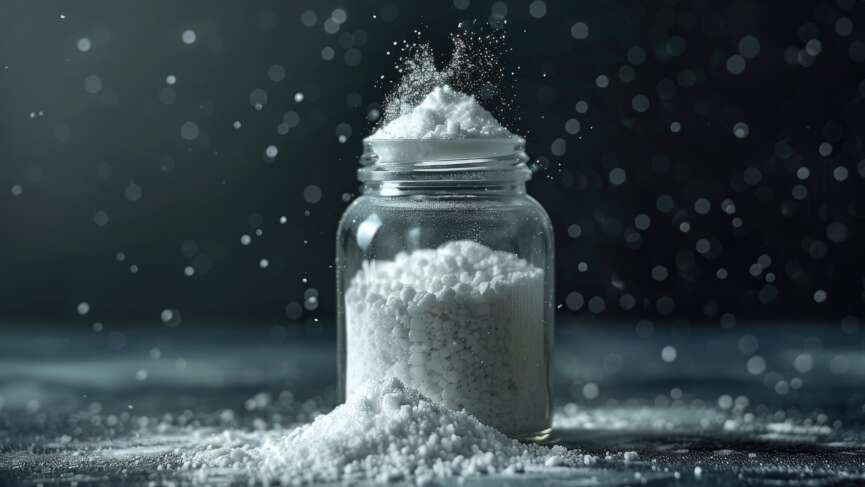
    Baking soda isn’t just for baking; it has several surprising health benefits that might surprise you. One of the most popular uses of baking soda is as a natural teeth whitener. Its mild abrasive properties help to scrub away plaque and surface stains, making your teeth look brighter and healthier. Studies have also shown that toothpaste with 20% or more of baking soda is effective in improving your oral health.  Another lesser-known benefit of baking soda is its role in managing bone health, especially in people with chronic kidney disease. When the kidneys are not functioning properly, the body can experience an imbalance in acid levels, negatively affecting bone strength. Baking soda helps balance the body’s acid-base levels and can reduce this impact, supporting bone health in these patients. While more research is needed to understand the long-term effects fully, early studies show promise in using sodium bicarbonate to support bone health in these patients. Baking soda is also used to treat metabolic acidosis. Acidosis occurs when the body produces too much acid or when the kidneys can’t remove enough acid from the body, leading to a dangerous imbalance. Metabolic acidosis can be caused by severe renal disease, uncontrolled diabetes, or when your heart stops working properly. Sodium bicarbonate helps to neutralize excess acid in the blood and correct this imbalance. This can be life-saving.

    If you like such information, give us a thumbs up and follow ehalthyinfo. We appreciate you.

  • 5 Surprising Facts About Weight Loss

    5 Surprising Facts About Weight Loss

    Weight Loss Facts

    Weight loss can be challenging, and it’s easy to be misled by myths and misconceptions. Let’s dive into some important facts about weight loss. First, calorie balance is key to weight loss. It all comes down to the simple concept of energy balance: If you eat more calories than your body burns, you gain weight, and if you burn more calories than you consume, you lose weight. You can lose weight by creating a deficit of about 500 to 750 kilocalories per day. This typically means you need to take about 1200 to 1500 kilocalories only if you are a woman and 1500 to 1800 kilocalories if you are a man, which is adjusted according to your baseline body weight. Another important fact is that exercise alone isn’t enough for significant weight loss. While physical activity is important for overall health and can help burn calories, diet plays an important role. Metabolism plays a role in weight loss, but it’s not the only factor. Your metabolism is how your body converts food into energy, and some people naturally have faster metabolisms than others. Genetics, activity levels, and diet quality also impact your ability to lose weight. Sustainable weight loss is a gradual process. Quick fixes and extreme dieting are tempting, but they are usually unsustainable and can lead to yo-yo dieting. You should aim for a steady, gradual weight loss of about 1-2 pounds per week.  Sleep and stress management are often overlooked in weight loss. Poor sleep and chronic stress can increase the production of hormones like cortisol, leading to weight gain, particularly around the belly. Finally, individual differences matter. Everybody is different, and what works for one person may not work for another. Factors such as age, gender, genetics, and health conditions can influence how you lose weight. Everyone’s weight loss plan can be different depending on what you want and what your lifestyle is.

  • Is Quinoa Really a Superfood?

    Is Quinoa Really a Superfood?

    5 Reasons Why Quinoa Deserves a Place on Your Plate

    1. Complete Protein Source

    Unlike most plant-based foods, quinoa contains all nine essential amino acids. As the doctor explains to the patient, many people think only meat has complete protein, but quinoa is a rare plant-based option that provides everything your body needs.

    2. High in Fiber

    Quinoa is rich in fiber, which supports digestion and helps you feel full longer. As the doctor in the conversation points out, this can be a game-changer for managing weight and cutting down on unnecessary snacking.

    3. Packed with Essential Nutrients

    Quinoa is loaded with vitamins and minerals like magnesium, iron, potassium, and B vitamins—important for energy production, muscle function, and overall well-being. No wonder the patient was impressed by how nutrient-dense it is!

    4. Naturally Gluten-Free

    For people with gluten sensitivities or celiac disease, quinoa is a safe and nutritious alternative to gluten-rich grains. Just like the patient in the conversation, many are relieved to learn they can enjoy this superfood without worry.

    5. Low Glycemic Index

    Quinoa won’t cause sharp blood sugar spikes, making it a great option for those managing diabetes or looking for steady energy throughout the day. As the doctor explains, it can even help with insulin resistance and may slow the progression of diabetes.

    Incorporating quinoa into your meals is an easy way to enjoy these health benefits while adding variety to your diet.

  • What is Organ Rejection?

    What is Organ Rejection?

    Organ Rejection

    Do you know a transplanted organ can get rejected? Yes, you heard it right. Here is what you need to know about organ rejection. When you receive a new organ, your body might see it as a foreign object, kind of like an intruder. Your immune system, which normally fights off infections, might start attacking the new organ. This is what we call organ rejection. Organ rejection is a huge challenge in transplantation. It occurs when a recipient’s immune system recognizes the transplanted organ as foreign and starts attacking it. The reaction can damage the transplanted organ, making it useless. Remember, the rejection can happen within minutes to hours of transplantation, or it can happen after days to weeks and sometimes even after months of transplantation. The rejection is often very unpredictable and can occur even when the organ is transplanted after a rigorous process of matching between a donor and a receiver. That is where immunosuppressive medications came to light. These medications help prevent organ rejection by suppressing the immune system of the organ transplant recipient. Think of these medications as a peace treaty between your body and the new organ. By taking them exactly as prescribed, you can greatly reduce the risk of rejection. These medications have been very effective, but they do not guarantee a 100 percent prevention of rejection. Let’s bust this common mythOrgan rejection doesn’t mean your transplant has failed. Be aware of the signs of rejection, like fever, pain over the transplant site, or changes in organ function, and report them to your doctor right away. In many cases, it can be treated successfully if caught early. The key is to stay vigilant and in close contact with your transplant team. 

  • The Incredible Health Benefits of Turmeric

    The Incredible Health Benefits of Turmeric

    Benefits of Turmeric

    Turmeric isn’t just a bright yellow spice for your curry. It’s a powerhouse of health benefits that everyone should know. 

    1. Anti-inflammatory Properties: It has an active compound called curcumin. The compound helps reduce inflammation, making turmeric a natural remedy for arthritis and joint pain.
    2. Antioxidant Effects: It fights off free radicals in your body, protecting your cells and reducing the risk of chronic diseases like heart disease and cancer.
    3. Digestion: It can ease bloating, improve gut health, and even support liver detoxification, helping your body process toxins more effectively.
    4. Brain Health: Studies suggest that curcumin may improve memory and focus while reducing the risk of neurodegenerative diseases like Alzheimer’s.
    5. Skin: Its anti-inflammatory and antimicrobial properties can help reduce acne, lighten dark spots, and give your skin a natural glow.

    We hope you found these turmeric tips helpful! Follow us for more ways to boost your health naturally.

  • Does Freezing Bread Reduce Carbs, Calories & Sugar?

    Does Freezing Bread Reduce Carbs, Calories & Sugar?

    How Can Freezing Bread Help With Weight Loss?

    If you’re wondering how freezing bread can help with weight loss, here’s what you need to know. First, freezing bread increases resistant starch. When bread is frozen, some of its starch content changes into what we call resistant starch. This type of starch is not digested in the small intestine. Instead, it reaches the colon, where it can act like fiber. This can help promote gut bacteria, promote satiety, and reduce the chances of overeating. Because resistant starch passes through the digestive system without being absorbed, it helps lower the number of calories that are available for absorption. Studies suggest that resistant starch can increase feelings of fullness, making it easier to manage your appetite and consume fewer calories overall. Another benefit is that resistant starch helps control blood sugar. By slowing down the digestion of carbohydrates that are usually present in bread, it can help prevent spikes in blood sugar levels. This is amazing, right? Freezing bread also affects digestion. As the bread is reheated or thawed, the resistant starch content remains stable, continuing to provide these benefits. So, while freezing doesn’t completely change the bread, it does enhance its nutritional profile for those aiming to lose weight. Lastly, moderation is key. While resistant starch offers some weight loss benefits, it’s important not to rely solely on bread for weight management. Choose your food wisely. It’s like choosing your car insurance.

  • 5 Amazing Health Benefits of Fasting

    5 Amazing Health Benefits of Fasting

    5 Scientifically Proven Benefits of Fasting

    Have you ever wondered what happens when you fast? Here are five scientifically proven facts that might surprise you. First things first, when you fast for 5 to 20 days, your body produces more circulating ketones. These act as an alternative energy source for both your body and brain, keeping you fueled when glucose levels drop. Prolonged fasting can lead to weight loss of 2-10%. But here’s the catch: About two-thirds of the weight you lose is lean mass, and only one-third comes from fat. Fasting can lower fasting glucose, insulin levels, and even insulin resistance. For those with normal blood sugar, it also helps reduce glycated hemoglobin, which is a marker for long-term glucose levels. Prolonged fasting can increase muscle protein breakdown, raising concerns about lean mass loss, especially during extended fasts. If you struggle with high blood pressure, fasting might help. Studies show that fasting consistently reduces systolic and diastolic blood pressure, which is great for heart health.

    Want more health insights like this? Follow ehealhtyinfo for healthy tips backed by science. 

  • Fuel Your Child Right – A Guide to a Balanced Diet

    Fuel Your Child Right – A Guide to a Balanced Diet

    Creating a Healthy Eating Plan for Your Child

    Do you want to create a healthy meal plan for your child? In this video, I’ll help you make one.

    First of all, you should know that your child needs all the different types of food. This should include fruits, veggies, whole grains, lean meats, and low-fat dairy. So, to make your children like fruits and vegetables, you can cut them in unique ways and serve them in cool ways. You can make a fruit and vegetable salad and serve it with yummy dips. Next is protein. Your growing child needs proteins. You can supplement protein with lean proteins like chicken, fish, beans, and lentils. They are easy for beginners to digest. While choosing grains, choose whole foods like brown rice, wheat bread, and oats instead of white bread or sugary cereals. Along with all these proteins, remember to give them a good amount of water and avoid sugary drinks as much as possible. While it is good to encourage the consumption of healthy foods, it’s also okay to have treats sometimes. Teach your child about eating a little bit of everything and not too much of one thing.

    I hope that was helpful. Follow ehealthyinfo for more information like this.

  • Garlic – The Tiny Clove with Big Benefits!

    Garlic – The Tiny Clove with Big Benefits!

    Why Should Garlic Be Part of Your Daily Diet?

    Did you know that a garlic bulb could be a game-changer for your health? Stick around to discover the five incredible health benefits of garlic you need to know. 

    1. Garlic is great for your heart. A study published in 2016 showed that garlic supplements could reduce systolic blood pressure by 5 millimeters of mercury and diastolic blood pressure by 2.5 millimeters of mercury in people with hypertension. Also, garlic can lower bad cholesterol by about 10%. 
    2. Garlic has powerful antioxidants that help strengthen your immune system. It’s known to fight off infections and reduce the severity of colds. Including garlic in your diet gives your body a natural defense boost to fight viruses and bacteria.
    3. Garlic has natural anti-inflammatory properties that can help reduce inflammation in the body. Chronic inflammation is linked to many conditions, including arthritis. By eating garlic regularly, you may find relief from joint pain and stiffness.
    4. Garlic is great for your digestive system! It can help improve gut health by promoting the growth of good bacteria in the stomach. Garlic has prebiotic properties, meaning it feeds the beneficial bacteria in your gut, helping digestion and reducing bloating.
    5. Finally, garlic contains sulfur compounds that help cleanse the body of toxins. It can support liver health and promote the detoxification process. Regularly consuming garlic helps rid your body of harmful chemicals, keeping you energized and refreshed.

    Now, you know garlic is not only a flavorful addition to your meals, but it also provides numerous health benefits. So, next time you’re cooking, don’t forget to add some garlic to your dish!

Sign Up to Our Newsletter

Be the first to know the latest updates