Blog

  • How does Sugar Addiction Affect the Brain?

    How does Sugar Addiction Affect the Brain?

    How Does Sugar Affect the Brain?

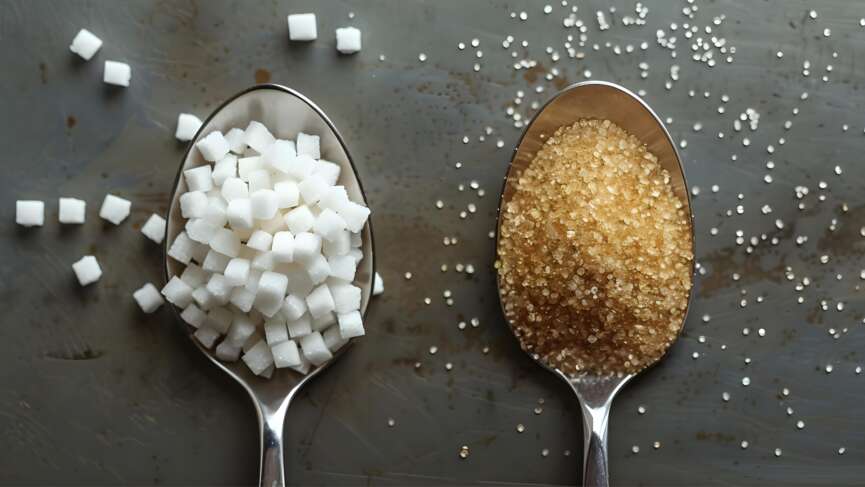
    Do you love dessert? Here is what happens to your brain when you take sugar. Sugar is a type of carbohydrate. It is found in various types of food that you consume daily. If you think sugar only comes from candies and desserts, you are wrong. It is also present in foods that are considered healthy, like tomato soup, yogurt, dried fruit, and granola bars.

    What Happens When You Eat Sugar?

    Sugar starts acting on your body the moment it hits your tongue. It activates the taste buds in your tongue that signal your brain, and it lights up various areas related to the reward system. These reward systems are a collection of dopamine receptors, your happy hormone. Dopamine is like currency in your reward system. When your reward system gets activated, you get a feeling of satisfaction, and your subconscious mind wants to have that feeling repeatedly. That is why you want to consume sugar again and again. It is similar to the feeling that you get while socializing, having sex, or even doing drugs, though the high that you get from drugs is way too high. While a balanced, healthy meal can release dopamine from your brain, repeated consumption of healthier foods dulls the effect of released dopamine. However, eating too much sugar continuously stimulates dopamine, acting like a drug and leading to addictive behaviors. Keep in mind while you can have a piece of cake occasionally, regular overeating of sugar can have an addictive effect on the brain.

  • What is Hepatitis A? Symptoms, Risk Factors, and Prevention Tips

    What is Hepatitis A? Symptoms, Risk Factors, and Prevention Tips

    What is Hepatitis A?

    Hepatitis A is a highly contagious liver infection caused by the Hepatitis A virus. Unlike other hepatitis, it doesn’t cause long-term liver damage. It is more common in low—and middle-income countries with poor sanitation and hygiene practices. The virus spreads through contaminated food, water, and even close contact. The virus can survive on surfaces, making hygiene an important aspect of transmission.

    So, who is at increased risk of getting this virus? You need to be cautious if you are:

    •    Travelling or working in areas where Hepatitis A is common.
    •    Living with someone infected.
    •    Sexually active, especially for men who have sex with men.
    •    HIV positive.
    •    Involved in drug abuse

    Symptoms of Hepatitis A

    Symptoms of Hepatitis A usually take 14-28 days to appear after the virus enters your body. Once you are infected with this virus, you can have feelings of tiredness, nausea, abdominal pain, diarrhea, and even develop jaundice. The infection is usually not fatal, and most people recover completely within weeks or months without treatment. 

    How To Protect Yourself From Hepatitis A?

    Don’t worry; we have vaccines for hepatitis A. As mentioned earlier, the CDC recommends getting this vaccination to people at increased risk of contracting this virus. In addition to vaccination, you should maintain sanitation and hand hygiene and drink boiled water when travelling to endemic regions. 

    Hope this was helpful. If you have any queries, let us know on our channel, ehealthyinfo

  • Extremely Dry Skin? Essential Do’s and Don’ts

    Extremely Dry Skin? Essential Do’s and Don’ts

    Do’s and Don’ts for Dry Skin

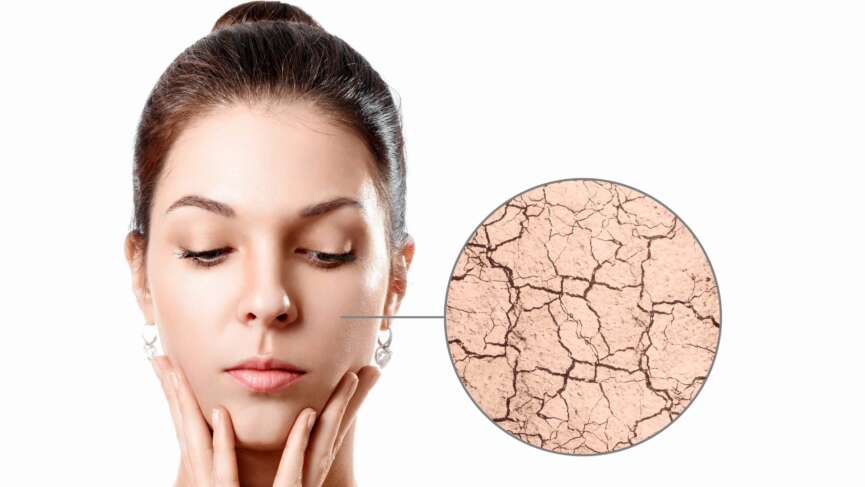
    Do you want to know what you can do about your dry skin? Here are some dos and don’ts for dry skin. 

    First, let’s jump to the dos!

    1. Hydration is the key. Your skin needs water to keep itself moisturised. 
    2. Use lukewarm water for bathing and cleansing. Too hot or too cold water is not good for your skin. 
    3. Moisturise yourself. The American Academy of Dermatology recommends using water-absorbing ointments. To increase moisture retention, they should be applied twice daily, immediately after bathing.
    4. You should increase the humidity of the place you live in. It can help solve the effects of dry skin, especially in older adults.
    5. To protect your skin barrier, use soap-free or mild cleansers. These should be chosen based on their low irritability and minimal additives, such as perfumes and pigments. 

    Now, let’s talk about the don’ts!

    1. Avoid hot water during showers, as it can strip your skin’s natural oils.
    2. Don’t overuse toners, peels, or astringents with alcohol. They are irritants to the skin. 
    3. Avoid using a dull razor; change blades regularly and soak them in alcohol afterwards.
    4. Don’t leave your heater on, as it can dry the air in your home. Instead, use a humidifier to maintain an indoor humidity level of about 50%.

  • 5 Amazing Foods That Boost Skin Health

    5 Amazing Foods That Boost Skin Health

    5 Superfoods For Your Skin

    1. Salmon: If you’re looking for smoother, more hydrated skin, salmon is your go-to. It’s packed with omega-3 fatty acids, which are essential for keeping your skin moisturized from the inside out. The American Heart Association  recommends eating one or two servings of oily fish per week. So, adding a couple of servings of salmon to your weekly meals can keep your skin looking fresh and calm.
    2.  Avocados: These creamy fruits are not just tasty but also fantastic for your skin. They’re full of healthy fats that make your skin soft, smooth, and hydrated. Plus, avocados contain vitamins that protect your skin from sun damage and keep it looking youthful. So, whether you spread it on toast or blend it into a smoothie, avocados are a delicious way to care for your skin.
    3.  Walnuts: These little nuts are loaded with omega-3 and omega-6 fatty acids, which are perfect for balancing your skin’s natural oils. Walnuts can help prevent inflammation, meaning less puffiness and fewer blemishes. A small handful of walnuts a day can do wonders to keep your skin clear and glowing.
    4.  Sweet Potatoes: These vibrant veggies are high in beta-carotene, which your body converts into vitamin A. Vitamin A helps repair damaged skin and keeps it soft and smooth.
    5.  Tomatoes: These are rich in lycopene, an antioxidant that protects your skin from the inside. Lycopene helps fight against sun damage and slows down signs of aging, like wrinkles. Whether eaten raw in a salad or cooked in your favorite sauce, tomatoes are a simple yet powerful food for healthy skin.

    And there you have it—five easy, delicious foods that can make a big difference in your skin health. Remember, what you eat shows up on your skin, so choose wisely. Your skin will thank you!

  • What is The Best Thing To Do For a Headache?

    What is The Best Thing To Do For a Headache?

    Do’s and Don’ts for Headache

    Today, we are here to cover the dos and don’ts for headaches

    Let’s start with the Do’s:

    1. You should take enough water to hydrate yourself. Your headache could just be a sign of dehydration.
    2. Find a quiet, dimly lit space, especially during attacks.
    3. Studies have shown that a gentle scalp massage that targets various trigger points can reduce headaches. Try to see if it works for you. 
    4. Record your triggers. Many people have various triggers of headaches, especially migraine headaches. Recognising the trigger can help avoid the triggers. 
    5. If your headache does not subside, try over-the-counter pain relievers like paracetamol. 

    Now, let us talk about the don’ts:

    1. Monitor caffeine consumption, especially if you consume a lot of coffee. Excessive caffeine intake is related to an increased risk of developing chronic daily headaches. 
    2. Make sure to eat all your meals if you get a headache due to low blood glucose levels. 
    3. You should create a balance with your sleep, avoiding both excessive and insufficient rest. 
    4. Straining your eyes can cause headaches, so avoid using screens too much. If you must look at the screen for various reasons, make it a point to take breaks.

    I hope this was helpful. Follow ehealthyinfo for more information like this.

  • Is There a Cure for Hep C?

    Is There a Cure for Hep C?

    Treatment of Hepatitis C

    5 facts you need to know about your hepatitis C treatment. 

    1. The antivirals that are commonly prescribed for hepatitis C are Zepatier, Mavyret, Harvoni, and Epclusa. These medicines are used in combination, and the treatment is usually 8 to 12 weeks long. Though patients with more severe liver damage may require therapy for up to 24 weeks, depending on the specific medication and individual factors.
    2. Who needs the treatment? All patients with hepatitis C should get  the treatment. 
    3. Once you start taking medications, a huge drop in the number of viruses in your body will occur within the first two weeks. For some, the virus becomes undetectable early, while for others, it may take longer. 
    4. Besides taking the antivirals regularly as prescribed, you should make sure to get your refill on time, take the exact doses, and at the same time, as mentioned, without skipping any dose at all. You should remember to get all the blood tests on time to ensure that your medication gets adjusted on time. 
    5. Finally, if you are taking any kind of supplement, you should tell your doctor to avoid any kind of drug interaction. 

    Hope this was helpful. Talk to your doctor to know more.

  • Best Treatments for Iron Deficiency Anemia

    Best Treatments for Iron Deficiency Anemia

    Treatment of Iron Deficiency Anemia

    Do you have iron deficiency anemia? Here is what you need to know about its treatment. 

    One way to manage your iron deficiency anemia is to increase your intake of iron-rich foods. Lean meats, poultry, fish, beans, lentils, and leafy green vegetables are excellent sources of iron. You should consume these foods with citrus fruits such as oranges and lemons, as they are rich in vitamin C and help increase iron absorption from your gut. If dietary changes are insufficient, iron supplements are often recommended. These are given when dietary changes cannot correct your anemia. They come in various forms, such as ferrous sulfate, ferrous gluconate, or ferrous fumarate. The typical dose is between 80 to 200 mg of elemental iron per day. It is important for you to follow the prescribed dose and schedule to avoid potential side effects like constipation, diarrhea, stomach ache, or heartburn. Iron supplements are best absorbed on an empty stomach but can be taken with food; they cause GI upset. When you cannot take your oral iron pills, your doctor can provide you with an iron supplement through your veins. This is a more rapid way of correcting your deficiency, but it may cause an allergic reaction. 

    Hope this was helpful. Talk to your doctor to know more. 

  • Home Remedies for Nausea Relief

    Home Remedies for Nausea Relief

    Dos and Don’ts With Nausea

    Have you ever felt nauseous? Here are some of the dos and don’ts if you have nausea. First, let’s talk about the dos. 

    1. First, you need to know the cause of your nausea. It could be due to a gastrointestinal issuepregnancy, or medications. Talk to your doctor to find out. 
    2. Since you might not feel like eating anything, you should at least keep yourself hydrated, and you can do that by sipping on cold water or eating ice chips.
    3. You should try smaller frequent meals; they’re easier on your tummy. 
    4. You can try complementary medications like ginger, which has some potential benefits in nausea. 
    5. If you are pregnant and nauseous, vitamin B6 can be your go-to option. 

    Let’s go through the don’ts.

    1. You should avoid eating or cooking strong-smelling food; it can worsen things.
    2. Say no to hot, fried, or greasy food; they’re no friends to your stomach.
    3. Avoid scarfing down your meals too quickly; take your time to let your taste buds adjust first.
    4. Steer clear of large drinks with your meals to prevent overloading your tummy.
    5. Don’t lie down immediately after eating; give your body time to digest.

    There you have it, the ultimate guide to conquering nausea.

  • What Can You Do for Gastritis at Home?

    What Can You Do for Gastritis at Home?

    Do’s and Don’ts in Gastritis

    Have you ever wondered how simple lifestyle changes can make a world of difference in managing gastritis? So, let’s get started. First up, let’s talk about what you should do. 

    • Reduce your caffeine intake – that means less tea, coffee, cola, and energy drinks. These foods can irritate the lining of your stomach. 
    • Use an extra pillow to raise your upper body in bed, which can prevent stomach acid from refluxing into your throat while you sleep.
    • Losing weight can be a game-changer in managing gastritis and reducing those discomforting symptoms.
    • Now, if you’re regularly using NSAIDS like  ibuprofen or aspirin for pain control

    You need to talk to your doctor as they might be the culprit in your condition. Now let’s talk about the don’ts

    • Avoid eating within 3 to 4 hours before bedtime. Giving your tummy a break before hitting the hay can do wonders for your digestive comfort.
    • While we’re at it, let’s make it clear – no alcohol and no smoking. It can be harsh on your stomach and aggravate your gastritis.
    • You should avoid long-term use of NSAIDs. They do more harm than good if taken with no supervision. 

    Hope that was helpful. Follow ehealthyinfo for more information like this

  • Why Do You Need Vitamin D?

    Why Do You Need Vitamin D?

    5 Reasons Why You Need Vitamin D 

    You must’ve heard that vitamin D is good for your health! While that’s true, do you know what the benefits of vitamin D are? Come, let’s explore! 

    1. Vitamin D is the vitamin for your bone health. Vitamin D increases the absorption of calcium and phosphate from the intestine, which will be used to mineralise your bone. 
    2. Vitamin D helps to keep our immune system strong. The immune system helps us fight infections caused by bacteria, viruses, and other pathogens.
    3. Your body needs an adequate amount of vitamin D as it is linked to better mood and mental health. Deficiency of vitamin D has been associated with an increased risk of depression. 
    4. Vitamin D keeps our arteries flexible and relaxed. This helps control blood pressure and maintain heart health
    5. A meta-analysis published in 2019 found that vitamin D can lower one’s risk of cancer mortality by 13%. Vitamin D supplementation may help lower cancer mortality, especially in people with no cancer history who use extra vitamin D or calcium supplements. More studies are yet to confirm but this makes Vitamin D one of the important vitamins that could be considered for cancer prevention. 

    Hope this was helpful. Follow ehealthyinfo for more information like this.

Sign Up to Our Newsletter

Be the first to know the latest updates