Blog

  • 5 Tips to Help with Excess Body Hair

    5 Tips to Help with Excess Body Hair

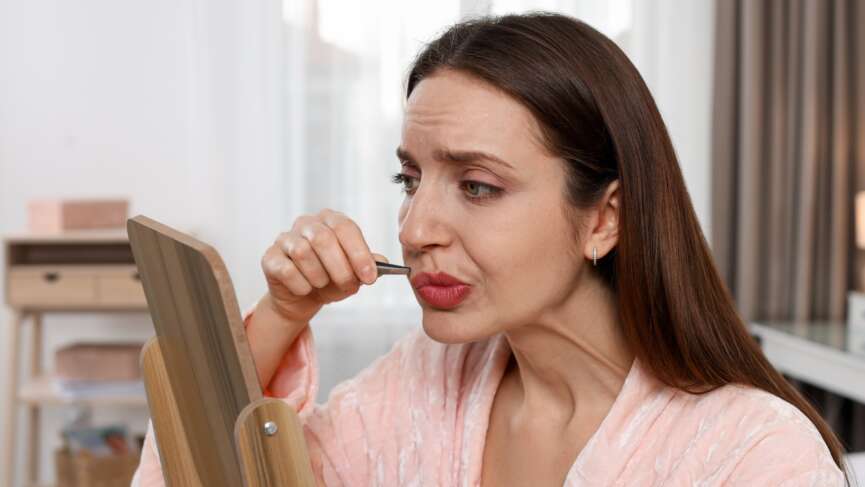
    5 Proven Tips to Help With Excess Hair on Your Body

    1. The first one is weight loss. If you’re dealing with a hormonal disorder like PCOS, losing 5% of your body weight can reduce those extra male hormones and slow hair growth.
    2. Oral contraceptive pills help with excess hair. It suppresses the androgen production from your ovaries, thereby reducing the levels of free testosterone, which is the main culprit for excess hair growth. 
    3. Anti-androgen drugs like spironolactone can help reduce hair growth by blocking the effects of androgens.
    4. Eflornitihne is one of the few hair-removal creams on the market that can be used for mild cases of excessive hair growth. This topical medication can also be used. 
    5. If you want long-term hair reduction, Laser Hair Removal is your best bet. This method targets hair follicles to reduce hair growth over time. Laser Hair Removal can help remove hair from localized areas like your face or armpits and is known for its smooth finish and pain-free delivery. 

    Remember, it’s important to choose a method that works for you. Talk to  your doctor before starting any treatment. 

  • Explore The Different Types of Acne

    Explore The Different Types of Acne

    Major Types of Acne Explained

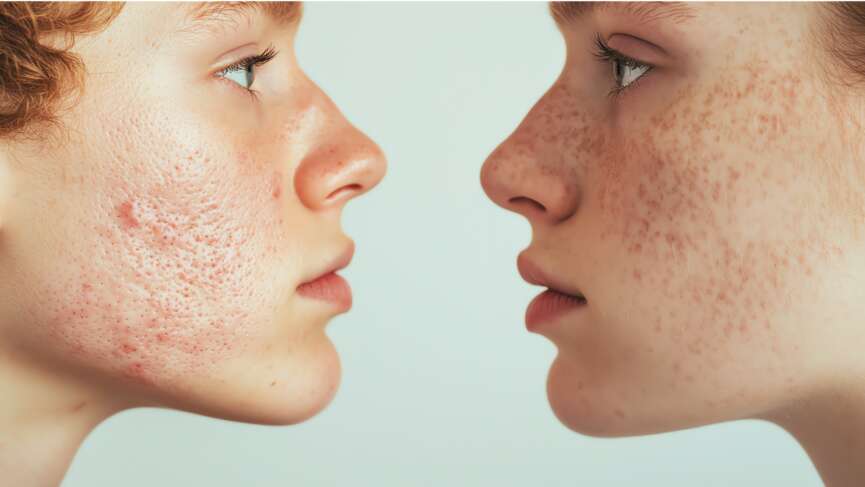
    Are you also frustrated with those persistent acne? It is a common skin condition caused by clogged glands. There are three primary types of acne

    1. Comedonal Acne

    It appears as small, dark, or white spots on the skin. This noninflammatory lesion can be open, called blackheads, or closed, called whiteheads. 

    2. Papulopustular Acne

    This is an inflammatory lesion of acne that includes papules and pustules. Papules are small, raised, red bumps, while pustules are similar to papules but contain pus. 

    3. Nodular Acne

    Nodular acne is a severe, large, and painful form of acne. It is deep-seated and often leads to scarring that is difficult to heal.  You can have any combination of these types of acne.

    ⇒ Identifying your acne is important for effective treatment. Talk to your doctor to learn more. 

  • Why is Circumcision Popular in America?

    Why is Circumcision Popular in America?

    Circumcision: Good or Bad?

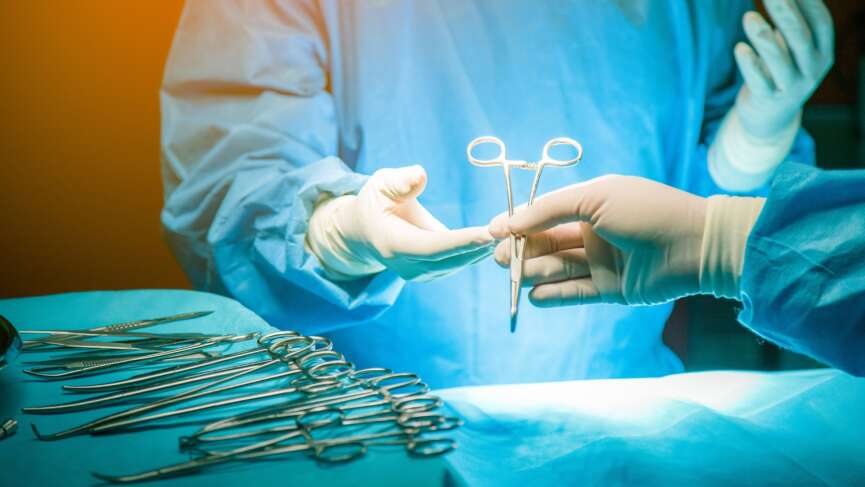
    What might happen if you do a circumcision? Here is what you need to know before doing circumcision. Circumcision is a surgical procedure where the foreskin, that’s the skin covering the tip of the penis, is removed. It has both advantages and disadvantages. On the positive side, circumcision can significantly reduce the risk of urinary tract infections in infants and lower the likelihood of sexually transmitted infections in adults. Removing the foreskin can make it easier to keep the area clean. It’s easier to maintain your hygiene. Circumcision may reduce the risk of penile cancer, although this type of cancer is quite rare. 

    However, there are also downsides to circumcision. The procedure can be painful, especially during the recovery period, even while you are using pain medications. There are risks of complications such as bleeding, infection, and, in rare cases, there can be issues with the appearance or function of the penis. Plus, Some men may experience a reduction in penile sensitivity after circumcision, which can impact sexual pleasure.  Make sure you fully understand both the potential benefits and risks involved with circumcision. This will help you make the best choice for you or your child.

     Hope this was helpful. Talk to your doctor to know more. 

  • How Can You Help Prevent the Spread of Foodborne Illness?

    How Can You Help Prevent the Spread of Foodborne Illness?

    5 Tips to Avoid Food-Borne Illness

    1. Cleanliness: Before touching or handling any food, you must wash your hands thoroughly with soap and water. The area where you cook, and the utensils also need to be cleaned with soap and water to get rid of any bacteria lying on the surface. 
    2. Separation: It is important to note that you need to segregate different types of foods, such as meats, poultry, and vegetables. This will not only make your pantry look organized but also help to avoid your vegetables getting contaminated with organisms that are likely to grow in animal products. 
    3. Maintain temperature: Temperature is key when storing food. Perishable foods like meats, dairy products, and leftovers should be kept at or below 40°F. 
    4. Proper cooking: To kill the bacteria, you should cook foods to the recommended internal temperature. Look at the instructions for various kinds of foods, and you can use a thermometer to ensure proper cooking. 
    5. Labeling and dating: If you make foods in large quantities, you should label them with their storage date to keep track of how long they have been in the fridge or freezer. 

    I hope this was helpful. If you want to know more about such tips, follow ehealthyinfo

  • Gall Bladder Surgery

    Gall Bladder Surgery

    Gall Bladder Surgery Options

    Ever wondered what happens during gallbladder surgery? Let’s explore it.

    Gallbladder surgery is a procedure to remove the gallbladder. One common reason for gallbladder surgery is gallstones. These are hard deposits that can block the flow of bile, causing pain and sometimes infections. Another reason could be inflammation of the gallbladder, known as cholecystitis, or even rare conditions like gallbladder cancer.

    The gall bladder surgery can be done in two ways:

    1. The first one is called laparoscopic surgery and is now one of the most common surgeries . This involves making 3 to 4 small holes in your abdomen. From one of these holes, a tiny camera is inserted that allows your surgeon to see inside the abdomen. The other holes are used to put instruments to cut and hold the gallbladder once they get separated from their location. Once the gallbladder is ready to be taken out, it is pulled from one of these holes. The beauty of this approach is that it leaves you with smaller scars, lesser complications, speeds up recovery, and gets you out of the hospital faster.
    2. Another approach to removing the gallbladder is by making one big cut in your abdomen and removing the gallbladder. It is usually performed when laparoscopic surgery is not suitable and isn’t an option. After this surgery, you may have to stay in the hospital longer, and recovery would take longer. 

    Lastly, you should know whether it’s the laparoscopic or open approach; both techniques are performed under general anesthesia, so you’ll be comfortably asleep throughout the procedure, feeling no pain at all.

    And there you have it. Follow ehealthyinfo for more videos like this. 

  • Guide To Getting Pregnant

    Guide To Getting Pregnant

    How to Boost Your Chances of Getting Pregnant?

    If you are struggling to get pregnant. Here is what you can do to boost your chance of getting pregnant. 

    The first is to keep track of your ovulation. You need to know when your most fertile period is. This is determined by the timing of your ovulation, that is when the eggs from your ovary get released. Ovulation usually falls between 12 to 16 days before your period starts, and your most fertile window typically lies a few days before and after ovulation. You should aim to have sex every 1-2 days during this time. You have a high chance of getting pregnant if you follow this:

    1. Minimize stress: High-stress levels can affect hormone levels in your body and interfere with ovulation. So, you need to avoid stress of any kind. You can try yoga, meditation, or deep breathing exercises if that helps you manage stress. 
    2. Maintain a healthy weight: Both underweight and overweight people may experience difficulties conceiving. You should aim to maintain a healthy body weight through a balanced diet and regular exercise. 
    3. Maintain sexual health: Your sexual health is key to your fertility. You should treat any existing infections promptly. Remember, it applies to both partners and not just ladies. 
    4. Limit alcohol and avoid smoking: Excessive alcohol consumption and smoking can negatively impact fertility in both men and women. You should keep them in moderation to have good fertility. 

    I hope this was helpful. To learn more, talk to your OBGYN and follow ehealthyinfo.

  • Genetic Testing and Breast Cancer Treatment

    Genetic Testing and Breast Cancer Treatment

    Genetic Testing and Breast Cancer

    Hello, everyone. If you’ve ever wondered how your genes can impact your risk of breast cancer, stick around. We’ll break it down for you in just a few minutes!”

    Genetic testing for breast cancer involves looking into your DNA to see if you have certain gene changes that increase your risk of developing breast cancer. The most commonly tested and well-known genes related to breast cancer are BRCA1 and BRCA2. BRCA1 and BRCA2 are genes that help repair damaged DNA. When they have mutations, they don’t work properly, which can lead to an increased risk of breast cancer. The American Cancer Society recommends genetic testing for all people with a personal history of breast cancer, regardless of age or family history.

    Who Should Get Genetic Testing?

    • If you have a history of ovarian cancer at any age or a first-degree or second-degree relative with ovarian cancer
    • or if your first-degree relatives were diagnosed with breast cancer before age 50
    • or have two or a more first-degree relative diagnosed with breast cancer at any age
    • if there is a history of breast cancer in a male relative 
    • and if you have breast cancer at age 60 or younger with triple-negative breast cancer 

    This test helps assess the potential risks of developing cancer in the future if you don’t already have it, predicts the likelihood of cancer recurrence, and determines the most suitable form of therapy, including the potential benefits of chemotherapy. 

    Hope this was helpful. Talk to your doctor to know more. 

  • Glaucoma: The Silent Threat to Your Vision

    Glaucoma: The Silent Threat to Your Vision

    What is Glaucoma?

    Did you know Glaucoma can take your vision away? Let me explain how. Glaucoma is a serious eye condition that affects your optic nerve, which is an important link between your eyes and brain. Your eyes normally balance fluid in and out to maintain stable eyeball pressure. If this balance gets affected for any reason, the pressure of your eyes increases and damages the optic nerve, causing you to lose vision. 

    Symptoms of Glaucoma

    Glaucoma may not always be noticeable. It can slowly sneak in and start by affecting peripheral vision. You may also experience blurred vision and rainbow-colored halos. In rare cases, sudden, intense pain in your eyes can cause nausea and red eyes, and your pupils may be slightly dilated.  Now, here’s the catch: it can affect anyone, young or old. But it’s most common among adults in their 70s and 80s.

    Diagnosis of Glaucoma

    The diagnosis of this condition can be as simple as measuring the pressure in your eyes, but when it gets complicated, further investigation is needed. This condition can be managed with medications that can be administered directly into your eyes as drops. 

    Take charge of your eye health today, and visit your eye doctor to know more. Follow ehealthyinfo for more health-related videos.

  • Breast Cancer Risk Factors

    Breast Cancer Risk Factors

    Risk Factors for Breast Cancer

    1. Family History: Like many cancers, breast cancer runs in families. If you have two first-degree relatives with breast cancer, your risk increases by many folds. BRCA1 and BRCA2 mutations are the most commonly implicated genetics of breast cancer. 
    2. Age: Increasing age is a significant risk factor for breast cancer. About two out of three invasive breast cancer cases occur in women aged 55 and older. The incidence of breast cancer rises with age, particularly after menopause.
    3. Gender: Being a woman is a risk factor for breast cancer. While men can also get breast cancer, the majority of the cases are female. This is because women have more breast tissue that is highly responsive to hormones. This higher sensitivity to hormones makes women more susceptible to the development of breast cancer.
    4. Early menstruation and late menopause: Women who get their periods before the age of 12 and women who undergo menopause after 55 years of age have a higher chance of developing breast cancer. This is due to the increased duration of exposure to endogenous estrogens.
    5. Hormone replacement therapy: Although hormone replacement therapy is considered helpful for women who have undergone menopause, it needs to be used with caution. The use of combined estrogen-progestin hormone replacement therapy, particularly for prolonged periods, has been shown to increase the risk of breast cancer.

    I hope this was helpful. Follow ehealthyinfo for more information on women’s health.

  • Unusual Symptoms of Vitamin B12 Deficiency

    Unusual Symptoms of Vitamin B12 Deficiency

    Vitamin B12 Deficiency Symptoms

    Ever wonder why you feel tired? Your tiredness could be due to a lack of vitamin B12. Here are five things you may face when you have vitamin B12 deficiency. 

    1. Neuropsychiatric symptoms: Vitamin B12 deficiency can cause alterations in genetic vulnerability, or folate metabolism can put you at risk of depression, anxiety, psychosis, dementia, and delirium.
    2. Fatigue and Weakness: If you’re unusually tired and feel run-down, it’s a common symptom shared by both deficiencies, affecting red blood cell production and oxygen distribution in your body.
    3. Pins and Needles Sensation: Tingling in hands or feet may occur due to a lack of folate and B12, which are necessary for nerve function.
    4. Mouth Sores: Sores at the corner of your mouth or a swollen tongue can be linked to a vitamin B12 deficiency, which can affect your taste buds and tongue health.
    5. Loss of Balance and Coordination: Vitamin B12 deficiency can cause problems with walking properly and maintaining balance, which may lead to frequent falls. 

    I hope this was helpful. Follow ehealthyinfo to learn more about diet and nutrition. 

Sign Up to Our Newsletter

Be the first to know the latest updates