Blog

  • How Much Exercise in a Week?

    How Much Exercise in a Week?

    Why Every Move Counts for Your Heart Health?

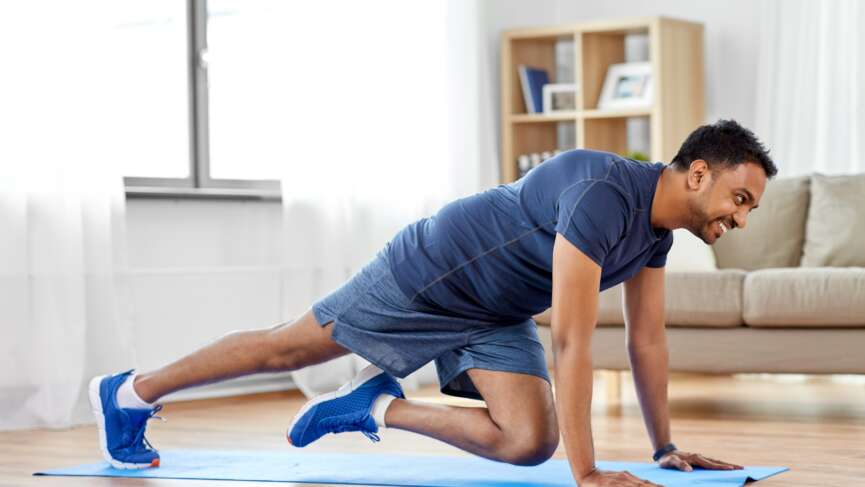
    Be honest, did you exercise enough last year? The WHO recommends at least 150 minutes of moderate activity weekly. That’s just 30 minutes, five days a week. But here’s what most people miss: it’s not about gym time; it’s about movements. Walking counts; gardening counts; playing with your kids counts. Studies show people who meet these goals cut their risk of early death from heart disease by 35%.

    Comment your honest opinion below. Let’s keep each other accountable in 2026. Follow eHealthyinfo for more informational videos.

  • Is Cancer Caused By The Food We Eat?

    Is Cancer Caused By The Food We Eat?

    5 Common Myths About Cancer and What You Eat

    I get a lot of questions about food and cancer. What can I eat and what should I not eat? There’s a lot of confusion out there and so many myths. Today, I’m busting 5 of the most common myths that you need to know.

    Myth 1: Refined Sugar Feeds Cancer Cells

    Okay, here is the deal. Yes, cancer cells use sugar, but so do all your healthy cells. That doesn’t mean sugar is giving you cancer or making it worse. Sugar restriction alone doesn’t affect tumor growth, but balanced diets matter most. Cutting refined sugar is great for your overall health, but it won’t starve cancer. Your body needs sugar from fruits, veggies, and whole grains to function right.

    Myth 2: Red Wine Helps Fight Cancer

    You have probably heard people say red wine is good because of antioxidants. But here’s the truth: no level of alcohol is safe for our health. Alcohol actually increases cancer risk even at low amounts.

    Myth 3: Soy is Bad for Breast Cancer

    A lot of folks get nervous about soy, as it contains plant estrogens. But multiple studies have shown that soy is safe, and in fact, it might even protect against recurring breast cancer.

    Myth 4: Juice Cleanses and Juice Fasts Help With Cancer 

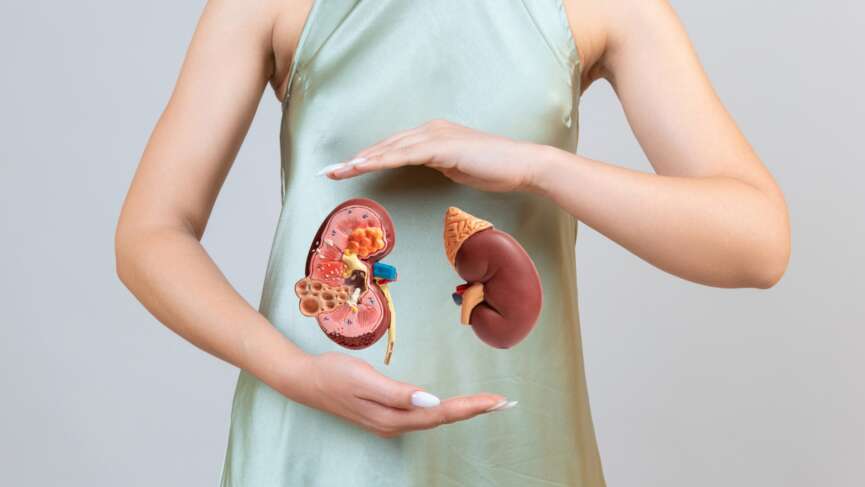
    A juice cleanse sounds like a quick detox, but your body already has built-in detox machines: your liver and kidneys. Plus, juice fasts often lack protein and fiber, spike blood sugar, and leave you tired. What you really need is real, whole foods and good nutrition when dealing with cancer.

    Myth 5: Superfoods Can Cure Cancer

    Blueberries, turmeric, and kale are all healthy. But let’s be honest, no single food can cure cancer. It’s your overall diet that matters. The American Cancer Society recommends a dietary pattern that emphasizes vegetables (especially non-starchy ones), whole fruits, whole grains, legumes, and nuts/seeds as foundational for cancer prevention. These foods are rich in fiber, vitamins, minerals, and bioactive compounds that may reduce cancer risk through anti-inflammatory, antioxidant, and metabolic effects.

    So, folks, ditch the myths. Follow facts. Follow eHealthyinfo for more mythbusting videos.

  • 5 Superfoods To Eat After 50

    5 Superfoods To Eat After 50

    Healthy Foods After 50

    I agree that after 50, your body’s engine deserves special gas. I am not a longevity guru, but here are my five foods that could add years to your life. 

    • Berries: packed with antioxidants that protect your brain from decline. 
    • Fatty fish like salmon: omega-3s fight inflammation and support heart health
    • Leafy greens: Loaded with nutrients that keep your bones strong and your mind sharp
    • Nuts: Especially walnuts, which studies show can add over a year to your lifespan when eaten regularly. 
    • Whole grains: Fiber keeps you regular, manages blood sugar, and protects against heart disease.

    What’s on your list? Tag your parents who need to see this list. Follow eHealthyinfo for more helpful content.

  • Top 3 Best Exercises for Joint Pain

    Top 3 Best Exercises for Joint Pain

    Exercise for Joints

    All right, you want my top 3 exercises for your joints. Here you go.

    • Cycling: Whether stationary or outdoor, cycling strengthens legs without pounding your joints. 
    • Walking: It’s the simplest exercise that strengthens your bones, reduces fracture risk, and can even prevent dementia
    • Swimming: zero impact on joints while building strength and cardiovascular fitness. 

    These 3 exercises can make your joints stronger and less painful. Share this with your parents who avoid exercise because of joint pain.

  • Are Eggs Bad for Cholesterol?

    Are Eggs Bad for Cholesterol?

    Is It Safe to Eat Eggs Daily?

    You’ve heard it a thousand times that eggs raise your cholesterol and clog your arteries. But is that actually true? Let’s clear this up. Eggs are actually nutrient powerhouses. They are loaded with high-quality protein you need for muscles, plus vitamins and antioxidants that are great for your brain and eyes. Like I always say, it’s all about balance.

    A large meta-analysis study was published in 2020, examining 5.5 million person-years and identifying nearly 15,000 heart disease cases. Result? People who ate up to one egg a day had no higher risk of heart attack or stroke.

    Now, context matters. In some studies, postmenopausal women eating several eggs daily showed a slightly higher risk, about a 4% increase per extra egg. This is a slightly higher risk of both heart disease and overall death with higher egg consumption, again, not huge, but worth noting. This could be related to hormonal changes, cholesterol metabolism, or other health factors that make older women more sensitive to dietary cholesterol. And the interesting part is that this link was more common among people in the United States than in other countries. This slight increase in risk was possibly due to overall diet patterns (more processed foods, saturated fats, or lifestyle factors)

    So what does that mean? I might be boring you. For most healthy people, one egg a day is safe, but eating several daily might increase risk slightly, especially if the rest of the diet is high in saturated fat. So, no, eggs aren’t villains; they’re safe. Balance is key.

    Follow eHealthyinfo for more science-backed food myth busts!

  • Avoid These 5 Common Scalp Mistakes

    Avoid These 5 Common Scalp Mistakes

    Why Your Scalp Health Matters?

    Trying random stuff on your scalp to grow hair? You’ve got to stop! Some things can actually make your hair worse. I have read a lot about hair care, as I decided to keep long hair. Trust me on this. Let’s talk about 5 things you should NEVER use on your scalp.

    1. Sulfates and Parabens: They’re in lots of shampoos—but they strip away your natural oils and leave your scalp dry, irritated, and unhappy
    2. Alcohol-Based Products: Feels clean at first, right? But alcohol over-dries your scalp, causing flakes and itchiness.
    3. Lemon Juice: It’s natural, yes, but it’s way too acidic for your scalp. It can throw off your pH and cause burning or redness.
    4. Heavy Cooking Oils: Too thick. They clog pores, trap dirt, and can leadhttps://www.youtube.com/@ehealthyinf to scalp infections.
    5. DIY Hair Dye or Bleach: Don’t try this at home. Harsh chemicals can burn your scalp and damage hair follicles for good.

    Let me share this million-dollar Tip: Your scalp is like skin; treat it gently and keep it clean. Follow eHealthyinfo for real advice that actually works.

  • What Really Happens When You Overdose Medicine?

    What Really Happens When You Overdose Medicine?

    Why Doubling Your Dose Won’t Heal You Faster?

    Last month, my friend had a bad throat infection and asked, ‘Can I double my antibiotic dose to recover faster?’ Guess what? It didn’t help her heal—it made things worse. We often think, ‘One more pill can’t hurt,’ but it can. There’s actually solid research on this; studies shared by the CDC show that taking pills the wrong way just makes the bugs smarter and tougher. When you take more pills than prescribed by your doctor, it can actually kill the good bugs in your stomach that help you digest your food.  And it’s not just antibiotics; the same goes for painkillers. Overusing painkillers can hurt your liver, cause bleeding in your stomach, or even lead to an overdose.

    Remember, healing takes time, not extra doses. More pills don’t mean faster healing, just more harm. Let’s stop the ‘one more pill’ myth right here. Tag someone who needs this reminder. Follow ehealthyinfo for more health tips.

  • What Are The Benefits Cooking in Air Fryer?

    What Are The Benefits Cooking in Air Fryer?

    Air Fryer Features and Benefits

    Imagine you’re carving that golden holiday turkey, roasting snacks, and frying up your potatoes all with less oil, less mess, and zero guilt. What if your kitchen gadget could help you eat healthier this season? We are talking about air fryers. Instead of dunking food in oil, this little machine blasts hot air, giving that perfect crispy texture we all love, but with up to 70–80% fewer calories and fat (compared to deep-frying).

    Studies show air frying cuts calories. It also reduces harmful compounds that form during high-heat oil frying and even keeps your kitchen air cleaner. Use it for veggies, lean proteins, or even roasted nuts. Don’t forget to clean the basket regularly to prevent residue buildup that can alter flavor and compromise safety.

    So yes, your fries and sweet potatoes can be both crispy and still be kind to your arteries. Follow eHealthyinfo for more health info.

  • 3 Super Foods for Better Blood Flow

    3 Super Foods for Better Blood Flow

    Top 3 Foods to Boost Your Blood Flow

    Better blood flow means better gains. These 3 foods can boost NITRIC OXIDE, a molecule that gets your blood flowing smoothly.

    1. Leafy greens like spinach and arugula—packed with nitrates your body converts directly into nitric oxide. 
    2. Citrus fruits: Vitamin C enhances nitric oxide absorption in your body. 
    3. Dark chocolate: Flavanols stabilize nitric oxide levels and protect your heart. 

    Follow eHealthyinfo for more health information.

  • Telomeres and Aging

    Telomeres and Aging

    Telomere Explained

    Inside each of your cells, there’s a countdown clock ticking toward the day you die. It’s called a telomere. And every time your cells divide, that clock gets shorter. But here’s the wild part: you can slow it down. You could even reverse it.

    SARAH’S HEART ATTACK

    Sarah is forty-one, and she is vegan and runs marathons. Her cholesterol is perfect. Her blood pressure?. Then one morning, she had a massive heart attack. Her doctors were baffled. Until they measured her telomeres. They were as short as an eighty-year-old person. What the heck are telomeres?. I know that’s what’s in your mind.

    Telomeres are like the plastic tips on shoelaces. They protect your chromosomes. But every time your cells divide, a little piece of that protective cap disappears. Eventually, there’s nothing left, and your cells either die or become zombie cells that cause inflammation. Here’s the brutal truth: people with shorter telomeres die younger. Studies show that people with clogged arteries have shorter telomeres in their blood cells compared to healthy people of the same age. 

    How Do You Protect Your Telomeres?

    It’s not a pill. It’s your daily choices. A study of nearly 5,000 American adults found that people who strength trained regularly had telomeres that were significantly longer. For every 90 minutes of strength training per week, telomeres were longer. That’s equivalent to being 4 years younger biologically. In 2020, Israeli researchers proved that biological aging can be reversed. They used hyperbaric oxygen therapy on adults over 64. After the study, their telomeres actually got longer. Scientists are now testing drugs that rebuild telomeres. But there’s always a risk? Activating the telomere too much could allow cancer cells to grow unchecked. It’s a delicate balance.

    So, save your telomeres naturally. Strength train three times a week. Eat Mediterranean-style. Sleep seven to nine hours and don’t smokeShare this with a friend who wants to live healthier like the ones in the blue zones.

Sign Up to Our Newsletter

Be the first to know the latest updates