Blog

  • Are Your Blueberries Safe?

    Are Your Blueberries Safe?

    Blueberries and Pesticides

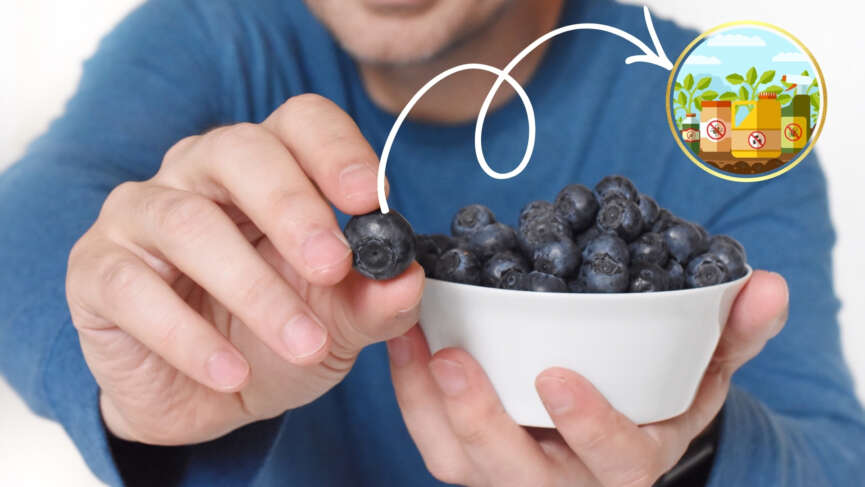
    Americans are eating three times more blueberries than they did in the early 2000s, but here’s the question: what else are we eating with them? Pesticide residues are commonly found in berries, usually just a few micrograms per kilogram, well below the safety limits set by regulators. Most experts say the overall risk is low, since exposure levels are far below what’s considered harmful.

    But let’s be honest, we all want pesticide-free food, right? No one wants them. Even low levels add up over time, and it’s better to minimize them whenever possible. So no, don’t stop eating blueberries; they’re packed with antioxidants and amazing for your brain and heart. Just wash them really well before you eat.

    Follow eHealthyinfo for more health info.

  • How To Pick The Best Berry?

    How To Pick The Best Berry?

    Which Berries Are the Healthiest?

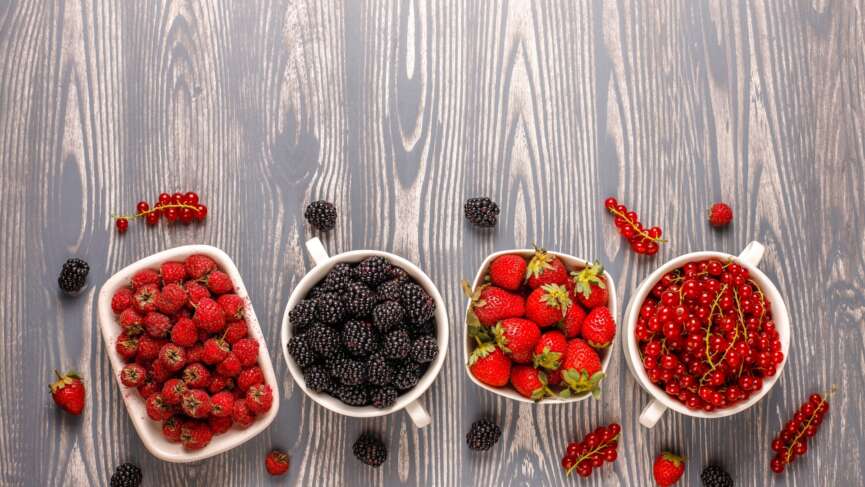
    Berries aren’t just tasty; they’re little powerhouses for your immune system. We’re talking blueberries, strawberries, raspberries, blackberries, and even cranberries. Their vibrant colors? That’s thanks to antioxidants that help your immune cells stay strong.

    Here’s the deal: antioxidants deactivate free radicals, which are tiny molecules that can damage your cells. Strawberries are a great example: just one cup of halved berries gives you over 100% of your daily vitamin C.

    And blueberries? They often top the charts for antioxidant power, especially wild blueberries with their deep-blue skins. Research even shows berry compounds can activate immune cells and increase protective proteins in your body. So yes, these little fruits are doing more than just tasting good. And here’s the best part: eating them is easy! Toss berries into your cereal, yogurt, smoothies, or snack on them fresh. 

  • Is ADHD Just a Nutritional Problem?

    Is ADHD Just a Nutritional Problem?

    ADHD: Genetic or Nutritional?

    Let’s talk about what’s right and wrong in this clip

    So what’s right?

    • Yes, nutrition affects the brain.
    • Low magnesium, low vitamin B, and low omega-3s can definitely impact focus, mood, and energy.
    • Diet matters for behavior—no argument there.

    But here’s what’s wrong:

    • ADHD is not just a vitamin deficiency.
    • ADHD does have strong genetic, neurochemical, and developmental roots.
    • Nutrition can influence symptoms, but it’s not the sole cause.
    • Calling it “purely nutritional” oversimplifies a real medical condition. 
    • Nutrition can influence symptoms, but it is not the cause of ADHD.

    Nutrition matters, but ADHD is not cured by supplements. Follow eHealthyinfo for more science-backed info. 

  • Himalayan Pink Salt vs Sea Salt vs Potassium Salt

    Himalayan Pink Salt vs Sea Salt vs Potassium Salt

    Which Type of Salt Actually Matters for Your Health?

    Ever wondered if swapping “regular” table salt for something fancy like Himalayan pink or Celtic salt? Do they actually do anything for your health? Or whether that potassium-salt substitute everyone says is better? Let’s break it down! Because salt isn’t just “flavor.” It affects your blood pressure, the water level in your body, and even your risk for heart disease. Many of us consume far more sodium than we actually need. So, the type of salt and how much you use matter.

    1. Himalayan Pink Salt

    It’s basically still mostly sodium chloride, but with trace amounts of minerals like calcium, magnesium, and potassium. However, there was a reason why that salt was replaced by table salt in the Himalayas. There’s far too little iodine. 

    2. Celtic Sea Salt

    It’s less processed and has extra trace minerals (magnesium, potassium, etc), but research says from a health perspective, it’s very similar to other salts when it comes to sodium. The extra minerals might sound appealing, but they’re in tiny amounts. So, it’s not worth your time and money for some fancy packaging.

    3. Potassium Salt (salt substitute)

    This is the “smart swap” for many people. Lowering sodium and upping potassium is a strong combo to lower blood pressure and reduce the risk of stroke. But not for everyone. People with kidney disease or who take potassium-sparing medications may be at risk of too much potassium

    It’s always a smart move to check with your doctor first.

    So: Whether it’s pink rock salt, grey sea salt, or a potassium substitute — they’re all still salt. The biggest game-changer isn’t the color or source, but how much you use and what else is going on in your diet (like how much potassium you get from fruits/veggies).

    A reminder: If you have kidney disease or take medications that raise potassium. Always check with your doctor before switching. Watch the full video for a complete guide. 

  • Why Winter Steals Your Energy?

    Why Winter Steals Your Energy?

    What is Seasonal Affective Disorder (SAD)?

    Every winter, like clockwork, you feel it coming. The exhaustion. The sadness. The carb cravings. The internet tells you it’s seasonal blues. The reality is your brain is actually starving for light. Meet Mark. Every October, he sleeps ten hours a night and wakes up exhausted. By December, getting out of bed is impossible. He has gained fifteen pounds. Living on pasta and bread. His friends think he’s lazy. His boss is frustrated. But Mark isn’t lazy. 

    Seasonal affective disorder isn’t just seasonal blues. When sunlight drops, your body’s internal clock, your circadian rhythm, gets confused. Here’s what happens in your brain: Special receptors in your eyes send light information to your internal clock. When winter darkness hits, two critical chemicals go haywire: serotonin and melatonin.

    SAD vs Major Depression

    Here’s the difference between SAD and regular depression: SAD makes you oversleep and overeat. Major depression causes poor sleep and poor appetite. The solution? Light therapy works as well as antidepressants. A recent study found that bright light therapy had a more than 40% response rate. No side effects. No pills.

    But here’s what most people miss: A morning walk outside, even on a cloudy day, is the same as a light therapy box.  Timing is key. Morning light, within two hours of waking, resets your clock. Evening light makes SAD worse because it delays your rhythm even more. Twenty to thirty minutes daily, starting in the fall before symptoms hit.

  • Cancer Cachexia Education Initiative

    Cancer Cachexia Education Initiative


    Supported by Pfizer, this flagship initiative aims to improve awareness, recognition, and clinical management of cancer cachexia among healthcare providers across the United States. Cancer cachexia remains significantly under-recognized despite its major impact on survival, treatment tolerance, and quality of life for patients living with cancer. Through this initiative, eHealthyInfo is developing high-quality, evidence-based educational content, including clinician-focused video modules and clinically relevant infographics for real-world practice. The educational materials address early identification of cachexia, its clinical consequences, emerging biomarkers such as GDF-15, and evidence-based management approaches including supportive care and clinical trial considerations.

    Goal: To improve early recognition, clinical decision-making, and patient outcomes related to cancer cachexia in oncology practice.

    https://ehealthyinfo.com/stages-of-cancer-cachexia/

  • Myths to Medicine Podcast

    Myths to Medicine Podcast

    The Myths to Medicine podcast is a global expert-driven educational platform designed to break down common medical myths and translate complex medical science into clear, practical, and patient-centered knowledge. Led by Ashma Baruwal, MPH, the podcast features conversations with health experts from the United States and around the world. The series focuses on bridging the gap between scientific evidence and public understanding, helping listeners better navigate health information in the digital era while promoting trust in credible, evidence-based medical education.

    Goal: To improve global health literacy by making medical science accurate, accessible, and understandable for healthcare professionals and the public.

  • Global Research Webinar Series

    Global Research Webinar Series

    In collaboration with the American Journal of Patient Health Information, eHealthyInfo is planning a six-month webinar series designed to support medical students, residents, fellows, and early-career researchers interested in clinical and health services research. The webinar curriculum focuses on practical and high-impact research skill development including grant writing fundamentals, large inpatient database research methodologies, and research approaches using Medicare and Medicaid datasets. The program is designed to provide real-world, applicable training that helps participants successfully initiate and complete meaningful research projects.

    Goal: To empower the next generation of global healthcare researchers with practical, high-impact research skills.

  • What Are The Benefits of Blueberry for Skin?

    What Are The Benefits of Blueberry for Skin?

    Is Blueberry Extract Good For Your Skin?

    Who wants glowing skin? I got to share this million-dollar tip with you. Berries, especially blueberries, might be your skin’s new best friend. This is not fake news, folks. Hear me out. This was a 12-week clinical study in which participants applied blueberry extract to the skin. And what they found was that people had improved wrinkles, increased smoothness, and better hydration. But why? We all know blueberries are packed with antioxidants and vitamin C. They help protect your skin from damage and boost collagen protection. But here’s the catch. Eating berries alone isn’t enough. The outer skin layer, that’s the epidermis, does not get nutrients from your blood supply. So, topical application makes a big difference. So for that natural glow, eat those berries and try the very best skin care. Your skin will thank you.

    Follow eHealthyinfo for more science-backed tips. We got you.

  • Cadence Remote Patient Monitoring

    Cadence Remote Patient Monitoring

    Senior Care and Remote Patient Monitoring

    Are you exploring ways to enhance senior care without constant doctor visits? Remote patient monitoring (RPM) is revolutionizing healthcare for older adults, allowing them to stay independent at home while keeping health in check.

    RPM involves wearable devices or home sensors that track vital signs like blood pressure, heart rate, and glucose levels in real time. Data is sent directly to healthcare providers, enabling early interventions and preventing emergencies. For seniors dealing with chronic conditions like diabetes or hypertension, this means fewer hospital trips and more peace of mind. One standout option is Cadence Remote Patient Monitoring, a user-friendly platform designed for seamless integration into daily life. It uses AI to analyze data trends, alerting doctors to issues before they escalate. Whether it’s monitoring medication adherence or detecting falls, Cadence helps caregivers stay connected without overwhelming the user.

    If you’re a caregiver or senior looking to implement RPM, start small. Choose devices that are easy to use, like smart watches or blood pressure cuffs. Pair them with apps for family updates. Remember, RPM isn’t a replacement for in-person care but a powerful supplement.

    Follow eHealthyinfo for more informational videos.

Sign Up to Our Newsletter

Be the first to know the latest updates