Blog

  • Remote BP Monitoring

    Remote BP Monitoring

    Benefits of Remote Blood Pressure Monitoring

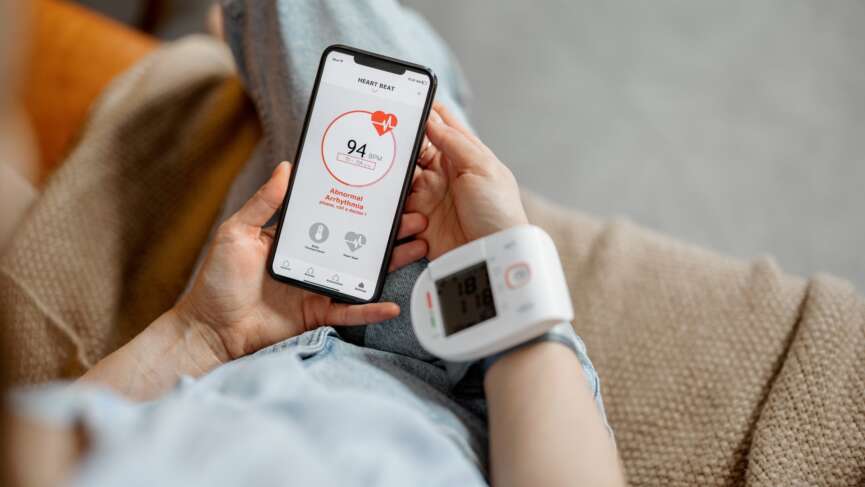
    This tiny at-home trick is helping doctors catch high blood pressure before it happens. What if your blood pressure could warn your doctor in real time? Amazing, right? That’s exactly what remote blood pressure monitoring does. You check your blood pressure at home, and your numbers go straight to your doctor. A new study shows that if you use this remote monitoring for blood pressure control, you have higher blood pressure control compared to the usual care. No white coat anxiety, no guessing, just smart data that keeps you safer every day. Follow eHealthinfo for more tips like this. 

  • ADHD Meds vs Diet

    ADHD Meds vs Diet

    The Truth About Ditching ADHD Meds for Diet

    1. What’s Right:

    • Lifestyle changes are so important when balancing ADHD.
    • Some people might do fine with no meds, but nutrition is not the only fix.

    2. What’s Wrong:

    • You need stimulants to help with ADHD. This is evidence-based and life-changing for many.
    • Suggesting diet alone is enough can shame people who rely on meds.
    • It’s not either/or—it’s often both.

    This is where things get dangerous. Medications aren’t the enemy—they’re tools. Telling people to ditch them without medical guidance? That’s reckless. It’s okay if this topic sparks debate. ADHD is complex. Food and diet can matter, but so do science, real-life experience, and personal care. We need a combination of behavioral therapy and medications. Every child is different. Follow eHealthyinfo for science-backed health info.

  • Holiday Sleep Survival Guide

    Holiday Sleep Survival Guide

    Holiday Sleep Survival Guide

    The holiday season is here, and while it’s a time for celebration, it can also disturb our sleep cycle. Here are a few tips on how to stay well-rested during the holiday season.

    1. Maintain a Consistent Sleep Schedule

    Even with late-night parties, try to go to bed and wake up at the same time daily. This schedule helps regulate your internal clock and improve sleep quality.

    2. Create a Sleep-Friendly Environment

    Ensure your bedroom is cool, quiet, and dark. A temperature between 60–67°F (15–19°C) is ideal for sleep. 

    3. Be Mindful of Food and Drink

    Have your meals 2-3 hours before bedtime. Avoid caffeine and alcohol close to bedtime. These can disrupt sleep by causing indigestion or affecting your sleep cycle. 

    4. Relaxation Techniques

    Engage in calming activities before bed, such as reading, meditation, or gentle yoga, to signal to your body that it’s time to wind down. 

    5. Stay Active During the Day

    Regular physical activity can promote better sleep, but avoid vigorous exercise close to bedtime. 

    6. Limit Screen Time Before Bed

    Reduce exposure to screens at least an hour before sleep, as the blue light emitted can interfere with melatonin, which is a hormone that helps you fall asleep.  

    7. Manage Stress Effectively

    Practice mindfulness or journaling to manage stress, which can otherwise disrupt your sleep cycle. 

    By implementing these strategies, you can enjoy the holiday season without sacrificing your sleep. Wishing you restful nights and joyful days ahead! Follow eHealthyinfo to learn more.


  • Top 3 Power Foods For a Healthier Gut

    Top 3 Power Foods For a Healthier Gut

    3 Power Foods for Gut Health

    1.  Prebiotics: If you do not know what prebiotics are, these are non-digestible food ingredients that stimulate the growth of good bacteria in your gut. Some foods known to have prebiotic properties are almonds, barley, chia seeds, dandelion greens, flaxseeds, garlic, onions, and oats. You can easily find it in your kitchen.
    2. Probiotics: While it sounds familiar to prebiotics, probiotics are live microorganisms that, when taken in the right amount, can help with your gut health. Studies have proved that probiotics are known to improve your gut barrier, modulate immune response in your gut, and also influence the type of microbiome you have in your gut. These all ultimately lead to good gut health. The popularly known source of probiotics is fermented foods like yogurt, kimchi, and kefir.
    3. Fiber: Fiber acts as food for your gut bacteria, helping them thrive. It also promotes smooth digestion and prevents constipation. The diversity of your gut bacteria is also determined by the fiber you take. Your go-to for fiber can be chia seeds, psyllium husk, and green leafy vegetables.

    Hope this was helpful. Follow ehealthyinfo for tips like this.

  • What Are The Warning Signs of a Heart Disease in Females?

    What Are The Warning Signs of a Heart Disease in Females?

    Heart Disease Symptoms in Women

    Think heart disease is just a man’s problem? Think again! It’s the number one killer for both men and women. Shockingly, since 1984, more women have died from heart disease than men. But here’s the twist: women often experience it differently. While men might clutch their chest dramatically, women could have sneakier symptoms like shortness of breath, nausea, or even jaw pain. These subtle signs often get ignored or mistaken for something else. And get this – heart disease has been less studied in women, leading to this dangerous myth. So ladies, don’t brush off those unusual symptoms. And guys, don’t think you’re off the hook either. Heart disease doesn’t discriminate – it’s an equal opportunity threat. Know the signs, stay vigilant, and keep that heart pumping strong!

  • How to Prevent Infections?

    How to Prevent Infections?

    How to Prevent the Spread of Infections?

    There are simple ways to reduce the risk of infection—it starts with you. The first step is washing your hands regularly with soap and water for at least 20 seconds. Various studies have shown that handwashing significantly reduced the spread of the virus during the COVID-19 pandemic, which you must have heard of. Well, it is not easy to train yourself overnight. But you can start by making it a habit to scrub well, especially before eating and after touching surfaces in public places. It really helps to stop germs from spreading. Besides this, covering your mouth and nose when coughing or sneezing is helpful. Use a tissue or your elbow when sneezing, not your hands. This way, you don’t transfer germs when you touch things. Also, try to avoid touching your face too often. Germs can enter through your eyes, nose, and mouth. I can understand this one; actually, many people don’t. But just being aware can help. And one more thing—if you’re feeling unwell, it’s best to stay home and rest. That way, you recover faster and prevent others from getting sick. Small steps like these can make a big difference in keeping everyone healthy. Preventing infections starts with you.

  • What Is the Best Form of Exercise for Weight Loss?

    What Is the Best Form of Exercise for Weight Loss?

    Best Exercises for Weight Loss

    If you want to lose weight, exercise is the key. But remember, not all exercises are created equal. Some burn more calories, while others build muscle to keep your metabolism high. Let’s break it down.

    • First up, let’s talk about high-intensity interval training. It is a game-changer for fat loss. In HIIT training, you have short bursts of intense exercise and brief rest periods. Research shows that HIIT exercises can burn 25–30% more calories than steady-state cardio in less time. Plus, you have an afterburn effect. The afterburn effect means your body keeps burning calories even after your workout.
    • Next is aerobic exercise or cardio. Running, cycling, or swimming are some examples. This exercise keeps your heart rate up and burns anywhere from 300 to 600 calories per hour, depending on intensity. It’s great for endurance and overall calorie burn, but combining it with strength training gives better long-term results.
    • Speaking of strength training, it is the one if you want to lose fat and keep it off. Lifting weights helps you build muscle, which burns more calories even at rest. A study found that people who did strength training twice weekly easily prevented an increase in body fat.

    So, if you want to see results faster, stay consistent, challenge yourself, and focus on these exercises. Follow us for more tips like this. 

  • Are Fats Necessary?

    Are Fats Necessary?

    What is Fat?

    Fat often gets a bad reputation, but did you know it’s actually important for your body? That’s right; fat isn’t just something to avoid. It’s a nutrient that plays a key role in keeping you healthy. So, what is fat? Fat is one of the three main macronutrients, along with carbohydrates and protein. It provides energy, helps absorb vitamins like A, D, E, and K, and supports cell growth. In fact, fat is the most energy-dense nutrient, packing 9 calories per gram, more than twice the energy of carbs and protein.

    Types of Fat

    1. Unsaturated fats are the fats found in foods like avocados, nuts, olive oil, and fish and are considered heart-healthy. They can help lower bad cholesterol and reduce the risk of heart disease. 
    2. On the other hand, saturated fats, such as those found in butter, cheese, and red meat, should be consumed in moderation. Too much of them can raise cholesterol levels and increase the risk of heart problems.
    3. Then there are trans fats, which are found in some processed and fried foods and should be avoided as much as possible because they can be harmful to your heart.

    Fat also plays a significant role in making food taste good and keeping you full longer. That’s why low-fat diets often leave people feeling unsatisfied. The key isn’t to cut out fat entirely but to choose the right kinds in the right amounts. So, next time you hear the word “fat,” remember it’s not the enemy. It’s essential to a balanced diet, but you have to make smart choices and eat it right.

  • Are Carbs Better Than Protein?

    Are Carbs Better Than Protein?

    Which is Better – Protein or Carbs?

    Think of your body as a car and carbohydrates as its fuel. The body breaks down carbs into glucose, which keeps muscles moving. The American College of Sports Medicine recommends that athletes aim for a daily carbohydrate intake of 6 to 10 grams per kg of body weight. Carbs keep you going, but protein helps you recover. After a long run, your muscles need protein to repair and strengthen. Before and during your run, focus on carbs like bananas, oatmeal, or energy gels. After your run, get some protein—maybe a smoothie, eggs, or Greek yogurt—to help your muscles bounce back.

  • How To Deal With Constipation?

    How To Deal With Constipation?

    Natural Remedies for Constipation

    Struggling with constipation? You’re not alone. If you are not a fan of laxatives, try these natural remedies to get things moving smoothly.

    1. Foods

    Eat fiber-rich foods. Your gut needs fiber to keep your digestive system running properly. Whole grains, lentils, beans, fruits like apples and pears, and vegetables like broccoli are great choices. The American College of Gastroenterology suggests fiber supplements as a first-line treatment of constipation, especially in people who do not consume fiber.

    2. Hydration

    Dehydration is one of the most common causes of constipation. Water helps break down food and move waste through the intestines. If plain water isn’t your thing, try warm lemon water or herbal teas like peppermint and ginger. 

    3. Prunes and Figs

    These fruits are natural laxatives packed with fiber and sorbitol. Sorbitol is a sugar alcohol that pulls water into the colon and helps soften stools. A handful of prunes or a few figs can make a big difference. 

    4. Probiotics

    Your gut needs good bacteria to keep digestion smooth. Yogurt, kefir, sauerkraut, and kimchi contain probiotics that support a healthy gut and help relieve constipation over time.

    5. Exercise

    A simple walk, stretching, or yoga poses like the child’s pose or seated twists can stimulate the intestines and encourage bowel movements.

Sign Up to Our Newsletter

Be the first to know the latest updates