Blog

  • BMI and Cancer Cachexia

    BMI and Cancer Cachexia

    Role of BMI and BMI-Adjusted Weight Loss in Cancer Cachexia

    BMI plays an important role in assessing cancer cachexia because it helps us understand how serious a patient’s weight loss really is. The same percentage of weight loss has very different meanings depending on where a patient starts. For example, losing 3% of body weight is far more dangerous in someone who is already thin than in someone who is overweight. So BMI adds context that weight loss alone cannot provide.

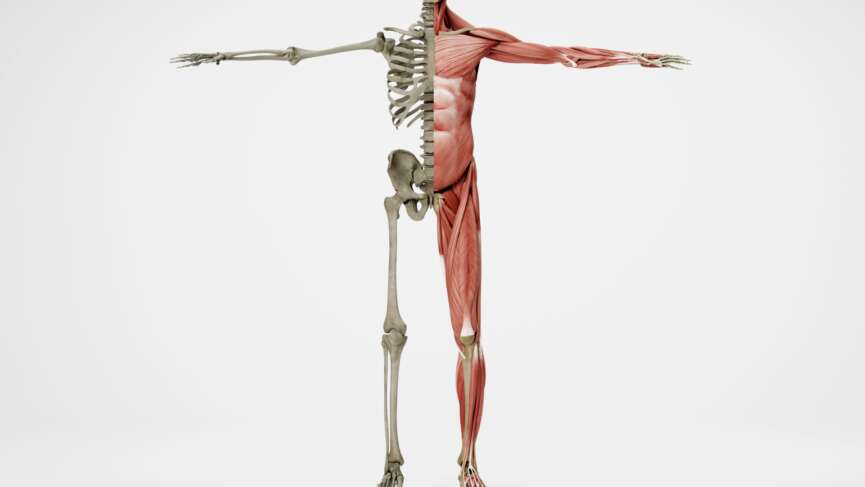
    However, BMI by itself is not perfect. In cancer patients, factors like edema, ascites, or sarcopenic obesity—where patients look normal or overweight but have very low muscle mass—can mask the true severity of tissue loss. That’s why BMI must be combined with measures of body composition using tools such as DEXA, BIA, or CT scans.

    International consensus now diagnoses cancer cachexia using BMI plus unintentional weight loss and sarcopenia. Cachexia is defined as more than 5% weight loss, or more than 2% weight loss in patients with a BMI below 20, or any weight loss with proven muscle depletion.

    To improve accuracy, we use the BMI-Adjusted Weight Loss Grading System, or WLGS. This system assigns patients to one of five grades by combining BMI and degree of weight loss. Each grade predicts survival: Grade 0 patients may live around 16 months, whereas Grade 4 patients—those with low BMI and substantial weight loss—have a median survival of only 4 to 6 months.

    In practice, WLGS provides a powerful prognostic tool. The higher the grade, the worse the survival, functional status, and quality of life. Early identification helps clinicians intervene sooner with nutrition, exercise programs, and palliative support, tracking BMI and weight changes over time to monitor disease progression.

  • 3 Stages of Cancer Cachexia

    3 Stages of Cancer Cachexia

    Pre-Cachexia, Cachexia and Refractory Cachexia

    Cancer cachexia progresses through three distinct clinical stages, each with increasing severity.

    1. Pre-cachexia

    This is where the earliest signs appear. Patients may have mild, unintentional weight loss, reduced appetite, and changes in metabolism, especially glucose handling. It’s subtle and often missed, but this stage offers the best chance to intervene.

    2. Cachexia stage

    This is where the condition becomes clinically obvious. It is defined by involuntary weight loss of more than 5% in six months or more than 2% in patients with a BMI under 20 or clear evidence of muscle loss, also called sarcopenia. At this point, patients experience muscle wasting, weakness, and decreased physical function, and importantly, nutritional support alone cannot reverse the weight loss because of ongoing metabolic and inflammatory changes.

    3. Refractory cachexia

    Here, the cancer is advanced, and the body’s metabolism is so altered that treatments no longer improve weight or muscle mass. Life expectancy is typically less than three months, and the focus shifts from trying to reverse the process to comfort, symptom control, and quality of life.

    In short, cancer cachexia evolves from mild changes that are easy to miss to a metabolic syndrome that resists treatment and finally to an irreversible state where supportive care becomes the priority.

  • Cancer Cachexia Pathophysiology

    Cancer Cachexia Pathophysiology

    Cancer Cachexia WeightLoss Expalined

    It all starts with the tumor. Tumor cells release several inflammatory cytokines—mainly TNF-alpha, IL-1, IL-6, and IL-8. These cytokines circulate throughout the body and trigger a chain reaction that disrupts normal metabolism.

    One major target is the skeletal muscle. These cytokines activate pathways that increase proteolysis—meaning the muscle starts breaking down its own proteins. Additionally, there is increased oxidative stress and sometimes nerve damage to muscle fibers. Together, this leads to progressive muscle wasting, which is a hallmark of cancer cachexia. At the same time, these signals also affect adipose tissue. The inflammatory cytokines stimulate lipolysis—the breakdown of fat—and promote ‘WAT browning,’ converting white fat into more metabolically active brown-like fat. This makes the body burn even more energy, leading to rapid loss of fat stores.

    The immune system contributes as well. Chronic inflammation maintains high cytokine levels, amplifying muscle and fat loss. So, instead of helping, the immune response actually worsens the process. The gut and microbiome are affected too. Tumors can cause dysbiosis—an imbalance in gut bacteria—and alter hormones like ghrelin, which controls appetite. This leads to anorexia—a medical loss of appetite. Even if nutritional intake improves, the metabolic abnormalities prevent weight gain. The brain gets involved through these inflammatory pathways. It becomes resistant to hunger hormones, so patients feel full quickly, eat less, and their body continues to break down tissues for energy.

    Finally, the heart and other organs are affected. Muscle breakdown isn’t limited to skeletal muscle; cardiac muscle can also undergo atrophy, leading to decreased functional capacity and worsening outcomes. In summary, the tumor releases inflammatory signals, which drive muscle breakdown and fat loss. These signals, in turn, reduce appetite, and systemic inflammation sustains the entire process. This creates a vicious cycle that leads to progressive weight loss that cannot be reversed simply by eating more.

  • Weight Loss vs Cancer Cachexia

    Weight Loss vs Cancer Cachexia

    Cancer Cachexia Explained

    Cancer cachexia affects approximately 70% of all cancer patients and is responsible for up to 22% of cancer-related deaths. It is a syndrome characterized by weight loss and muscle loss, which may occur with or without fat loss. This condition is multifactorial and is driven by a combination of reduced food intake and multiple metabolic factors, including systemic inflammation, neurohormonal dysregulation, and increased catabolism.

    Cancer cachexia is more than typical weight loss or malnutrition. For example, in cases where someone is not eating enough, providing adequate calories and nutrition can often restore body weight and muscle mass. This is not the case with cachexia. Even with nutritional support, muscle wasting typically cannot be fully reversed in cancer cachexia.

    Cancer cachexia should be understood as a metabolic and inflammatory syndrome, not simply a result of inadequate food intake. If you observe unintentional weight loss along with signs of muscle loss, decreased appetite, inflammation, fatigue, and functional decline in cancer patients, these may indicate cancer-related cachexia.

  • Reverse Type 2 Diabetes

    Reverse Type 2 Diabetes

    Exercise to Reverse Type 2 Diabetes

    Can you actually reverse diabetes just by exercising? Well, science says yes—it’s possible, but there’s a catch. Type 2 diabetes occurs when too much fat builds up in the liver and pancreas, making it harder for the body to use insulin properly. However, when that fat is reduced through regular exercise and healthy food choices, the body can begin responding to insulin normally again.

    Don’t believe me? A 2020 study found that people who changed their diet and exercised lost around 12 kg. And guess what? Six out of ten of them were able to reverse their diabetes in just one year. One year, folks.

    So start simple. Walk for 30 minutes a day, lift weights, dance, or garden—whatever keeps you moving. Every step counts toward a healthier you.

    Follow eHealthyinfo for more informational videos.

  • Red40 and ADHD

    Red40 and ADHD

    Food Dyes and ADHD Symptoms

    Ever notice your kid gets extra hyper after those bright red or yellow snacks? I usually think—‘oh, too much sugar!’ But it turns out, the color could be part of the problem.

    Those fun, vibrant colors are not natural. They are food dyes like Red 40 and Yellow 5. Rings a bell? Scientists have been studying whether these dyes can affect children’s focus and behavior.

    A 2022 study reviewed 27 studies on children and found that in more than half, kids who ate food with these dyes showed more signs of hyperactivity or had trouble focusing. Now, this doesn’t mean dyes cause ADHD. But for some kids, especially those already sensitive, these colors might make it worse.

    So, next time your little one gets jumpy after a colorful snack, try skipping the dyes for a week. Go for whole-food snacks like fruit or homemade treats and see if you notice a difference.

  • Are Your Protein Powders Contaminated?

    Are Your Protein Powders Contaminated?

    Is Your Protein Shake Poisoning You?

    Consumer Reports just tested 23 of the most popular protein powders on the market. The results? Absolutely shocking. Over two-thirds of them failed their safety standards. We’re talking about brands you trust, sitting in your kitchen right now. Some plant-based powders had 12 to 15 times higher lead content than what’s safe.

    And here’s the kicker: the FDA openly admits there is NO safe level of lead exposure. Zero. None. Yet it’s in the products marketed as ‘health supplements. If your protein powder has 6 micrograms per serving, you’re consuming 68% of the FDA’s daily limit in ONE shake. One shake! If you’re having two servings a day? You’re way over the limit. And remember, you’re also getting lead from food, water, and the environment.

    Lead accumulates in your body over time. It affects your brain, kidneys, cardiovascular system, and reproductive health. For pregnant women and kids? The risks are even higher. This isn’t about fear-mongering. This is about making informed choices with products you use every single day.

    So, what can you do?

    1. Choose protein powders with lead levels well under 1 microgram per serving. Look for third-party certificates. 
    2. Avoid multiple daily servings unless you KNOW the brand tests for heavy metals and publishes results.
    3. Whole food protein sources—eggs, chicken, fish, and legumes don’t have this problem. Mix up your protein sources instead of relying on the powder.
    4. And finally? Demand transparency. Contact your favorite brands. Ask them about their testing. If they can’t answer, find one that can.

    Your health isn’t something to gamble with. You’re working hard at the gym, eating right, and trying to be your best self. Don’t let these supplements sabotage that progress.

    Full Consumer Reports study: https://www.consumerreports.org/lead/protein-powders-and-shakes-contain-high-levels-of-lead-a4206364640/

  • Gutsphere – Your Apps Are Now Your Superpower

    Gutsphere – Your Apps Are Now Your Superpower

    Gutsphere App

    Your doctor just prescribed an app. Not a pill. Not a shot. An app. Sound weird? The FDA doesn’t think so. They’ve already approved dozens of these “digital prescriptions”—and they’re about to change everything about your healthcare.

    Let’s make this real. Remember that time when you ate something, and it made you think, Why do I keep doing this to myself?Now imagine this: Your phone is watching. Learning. Warning you before it happens. Meet Gutsphere App—think of it as a personal GI detective in your pocket. You log what you eat. You track symptoms. And the AI connects the dots:

    • “You always feel terrible after dairy.”
    • “Stress + coffee = your worst days.”
    • “That restaurant always triggers you.”

    No more guessing. No more waiting for your next flare-up to figure it out.

  • The Truth About 10,000 Steps

    The Truth About 10,000 Steps

    Do You Really Need 10,000 Steps to Stay Healthy?

    Here’s the truth: you don’t. And that magic number? It didn’t come from science—it came from a marketing campaign in the 1960s! Back in the 60s, a Japanese company called Yamasa launched a pedometer called the “Manpo-kei”—which literally means “10,000-step meter.”

    Why 10,000? Because the Japanese character for it—”万”—looks like a person walking!  It was catchy. It was memorable. And it worked. That’s it. No science. Just brilliant marketing. And somehow, decades later, we’re all still chasing that arbitrary number.

    What Does The Research Actually Show?

    Recent studies found that around 7,000 steps daily can reduce your risk of death from any cause—including heart disease—by up to 47%. And the benefits start even earlier. As low as 2,500 to 3,000 steps a day, you begin seeing reduced cardiovascular risk. Most studies show health benefits plateau at around 7,500 steps. So if you’re hitting 7,000 to 8,000? You’re doing great.

    10,000 steps? Nice to have, but not necessary. But here’s something important: it’s not just how many steps you take—it’s how you take them. Research shows that cadence matters. That’s how many steps you take per minute. A brisk walk gives you greater cardiovascular benefit than a slow stroll, even with the same total step count. So quality beats quantity. And let’s not forget: different devices give wildly different counts. Your phone, Fitbit, and Apple Watch can all show different numbers for the same walk. Use step counts as a guide, not a rigid rule.

    And one more thing: this isn’t just about walking. For people who can’t walk or are too ill to move around much, alternatives like physical therapy or bed-based exercises can provide similar benefits. Movement is what matters—not hitting some made-up milestone. So here’s your takeaway: even 3,000 steps is better than zero. 7,000 is excellent. And 10,000? That’s just extra credit. Stepping will add years to your life—and life to your years.

    Now get moving! How many steps do YOU aim for? Drop it in the comments!

    For more health facts that cut through the noise, follow eHealthyinfo.

  • Do Microplastics Cause Diabetes?

    Do Microplastics Cause Diabetes?

    Can Microplastics Actually Cause Diabetes?

    Tiny bits of plastic are everywhere. They are in our water, food, and even in the air we breathe. Could those little specks actually raise our risk of diabetes?  Well, here’s what the science says so far. A study looking at coastal areas in the US found higher rates of type 2 diabetes where microplastic exposure is higher.  But here’s the key: Correlation doesn’t mean causation. We don’t yet have solid proof that microplastics cause diabetes in people.  Still, less plastic in our bodies and our planet is always a win. So, avoid heating food in plastic containers, use glass or steel for storage, and try filtering your drinking water.

    To learn more about such tips. Follow ehealthyInfo

Sign Up to Our Newsletter

Be the first to know the latest updates