Category: Heart Health

  • Smartwatch AI For Heart Disease Diagnosis

    Smartwatch AI For Heart Disease Diagnosis

    Artificial Intelligence in the Management of Heart Failure

    What if your smartwatch could warn you before your heart sends you to the hospital? Not after symptoms Not after damage. But before you even feel something is wrong. AI is already doing this today.

    It can track subtle changes in your body like rising water weight, changes in your heart rate,
    and even how your breathing patterns shift over time. These are the exact early warning signs that heart failure is getting worse.And here’s the key:You might not even notice these changes yourself.

    But AI can.When those patterns start to change, your care team can be alerted early—before symptoms spiral out of control.That means something simple… like adjusting medications at home.Instead of waiting until you’re short of breath, overwhelmed…and end up in the ER.This isn’t replacing doctors. It’s giving them a head start. But heart failure isn’t the only silent problem AI is catching…

    Some of the most dangerous heart problems… don’t feel like anything at all.Irregular heart rhythms—like atrial fibrillation— can be completely silent.No pain. No warning.No symptoms.

    And yet… they can lead to stroke. In fact, many people who have strokes never knew they had a rhythm problem.

    This is where your smartwatch becomes powerful. Today’s devices use AI to analyze your heartbeat patterns continuously. They’re not just counting beats they’re looking for irregular patterns.

    And when something doesn’t look right, they send an alert.

    That alert can lead to early testing, early diagnosis, and, in some cases, starting treatment like blood thinners before a stroke ever happens.

    One small notification. could prevent a life-changing event.

    And here’s the bigger picture…

    This isn’t futuristic technology.It’s already here. And it’s already being used.

    AI is quietly shifting healthcare from reacting to disease… to predicting it.

    From emergency care… to early intervention. From hospital stays… to care at home. It doesn’t replace your doctor. It strengthens the connection between you and your care team. It gives you time. And in medicine, time changes everything.

    So here’s the question:

    Would you trust AI to help guide your healthcare decisions before things get serious?

    Comment below.

    And follow eHealthyinfo for real, myth-free medicine.

  • Heart Failure With Preserved Ejection Fraction: The Type of Heart Failure Women Should Know About

    Heart Failure With Preserved Ejection Fraction: The Type of Heart Failure Women Should Know About

    There is a type of heart failure that affects women far more often than men, yet many people have never heard of it. It is called Heart Failure with Preserved Ejection Fraction, also known as HFpEF.

    What makes HFpEF confusing is that the heart may still appear to pump normally. Some test results may even look “fine.” But the person may still feel short of breath, exhausted, and unable to do normal daily activities. Too often, these symptoms are dismissed as anxiety or aging.

    The problem in HFpEF is not how the heart squeezes. The problem is how the heart relaxes. When the heart becomes stiff, it cannot fill properly between beats. As pressure builds up inside the heart and lungs, symptoms like breathlessness, fatigue, and exercise intolerance can appear, even when the pumping function looks normal.

    Women make up more than half of all HFpEF cases. Despite this, they are often diagnosed later and may receive less aggressive treatment. This makes HFpEF not just a heart condition, but also a major diagnostic gap in women’s health.Several risk factors may affect women’s hearts differently. High blood pressure, obesity, and diabetes can all increase the risk of HFpEF. Diabetes is especially important. It raises the risk of heart failure much more strongly in women than in men.

    Hormonal changes may also play a role. After menopause, estrogen levels decline. This can increase inflammation, stiffen blood vessels, and raise the risk of heart failure. Pregnancy history matters too. Women who have had preeclampsia may have a higher risk of developing heart failure later in life, sometimes decades after pregnancy.

    What is especially concerning is that women with HFpEF may live longer with the condition but experience worse symptoms and lower quality of life. Some treatments may work particularly well in women, but women are still underrepresented in many clinical trials. Because of this, we still do not fully understand how HFpEF behaves differently in women and men.

    So, if you have a history of high blood pressure, diabetes, obesity, menopause-related symptoms, or preeclampsia, it is important to pay attention to your heart health.

    Shortness of breath should not be ignored. Fatigue should not always be brushed off. And women deserve to have their symptoms taken seriously. HFpEF is common, often missed, and especially important in women’s health. The more we talk about it, the earlier it can be recognized.

  • Can Smartwatch Detect a Silent Heart Problem Before a Stroke Happens?

    What if your smartwatch could warn you before your heart sends you to the hospital?

    Not after symptoms. Not after damage. But before you even feel something is wrong. AI is already doing this today. It can track subtle changes in your body, like rising water weight, changes in your heart rate, and even how your breathing patterns shift over time. These are the exact early warning signs that heart failure is getting worse. And here’s the key: you might not even notice these changes yourself. But AI can.

    When those patterns start to change, your care team can be alerted early, before symptoms spiral out of control. That means something simple, like adjusting medications at home, instead of waiting until you’re short of breath, overwhelmed, and end up in the ER. This isn’t replacing doctors. It’s giving them a head start. But heart failure isn’t the only silent problem AI is catching. Some of the most dangerous heart problems don’t feel like anything at all. Irregular heart rhythms, like atrial fibrillation, can be completely silent. No pain. No warning. No symptoms. And yet, they can lead to stroke.

    In fact, many people who have strokes never knew they had a rhythm problem. This is where your smartwatch becomes powerful. Today’s devices use AI to analyze your heartbeat patterns continuously. They’re not just counting beats. They’re looking for irregular patterns. And when something doesn’t look right, they send an alert. That alert can lead to early testing, early diagnosis, and in some cases, starting treatment like blood thinners before a stroke ever happens. One small notification could prevent a life-changing event.

    And here’s the bigger picture: this isn’t futuristic technology. It’s already here. And it’s already being used. AI is quietly shifting healthcare from reacting to disease to predicting it. From emergency care to early intervention. From hospital stays to care at home. It doesn’t replace your doctor. It strengthens the connection between you and your care team. It gives you time. And in medicine, time changes everything.

    So here’s the question: would you trust AI to help guide your healthcare decisions before things get serious? Comment below.

  • Are Eggs Bad for Cholesterol?

    Are Eggs Bad for Cholesterol?

    Is It Safe to Eat Eggs Daily?

    You’ve heard it a thousand times that eggs raise your cholesterol and clog your arteries. But is that actually true? Let’s clear this up. Eggs are actually nutrient powerhouses. They are loaded with high-quality protein you need for muscles, plus vitamins and antioxidants that are great for your brain and eyes. Like I always say, it’s all about balance.

    A large meta-analysis study was published in 2020, examining 5.5 million person-years and identifying nearly 15,000 heart disease cases. Result? People who ate up to one egg a day had no higher risk of heart attack or stroke.

    Now, context matters. In some studies, postmenopausal women eating several eggs daily showed a slightly higher risk, about a 4% increase per extra egg. This is a slightly higher risk of both heart disease and overall death with higher egg consumption, again, not huge, but worth noting. This could be related to hormonal changes, cholesterol metabolism, or other health factors that make older women more sensitive to dietary cholesterol. And the interesting part is that this link was more common among people in the United States than in other countries. This slight increase in risk was possibly due to overall diet patterns (more processed foods, saturated fats, or lifestyle factors)

    So what does that mean? I might be boring you. For most healthy people, one egg a day is safe, but eating several daily might increase risk slightly, especially if the rest of the diet is high in saturated fat. So, no, eggs aren’t villains; they’re safe. Balance is key.

    Follow eHealthyinfo for more science-backed food myth busts!

  • 3 Super Foods for Better Blood Flow

    3 Super Foods for Better Blood Flow

    Top 3 Foods to Boost Your Blood Flow

    Better blood flow means better gains. These 3 foods can boost NITRIC OXIDE, a molecule that gets your blood flowing smoothly.

    1. Leafy greens like spinach and arugula—packed with nitrates your body converts directly into nitric oxide. 
    2. Citrus fruits: Vitamin C enhances nitric oxide absorption in your body. 
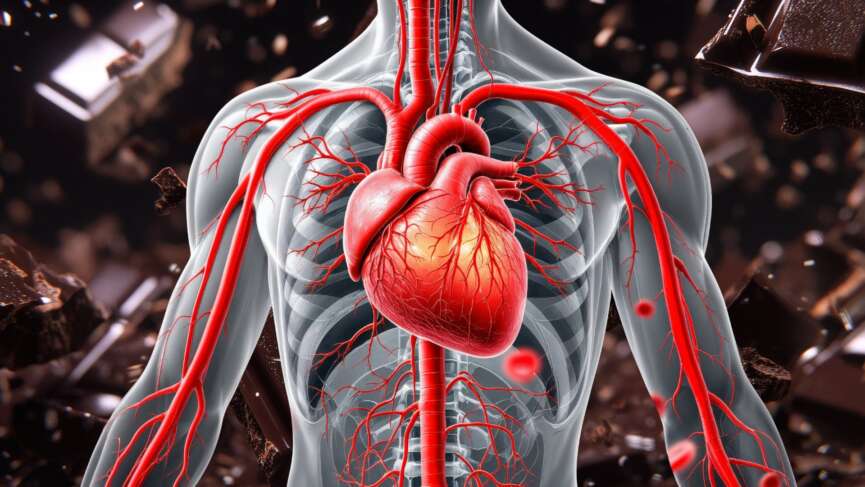
    3. Dark chocolate: Flavanols stabilize nitric oxide levels and protect your heart. 

    Follow eHealthyinfo for more health information.

  • What Are The Warning Signs of a Heart Disease in Females?

    What Are The Warning Signs of a Heart Disease in Females?

    Heart Disease Symptoms in Women

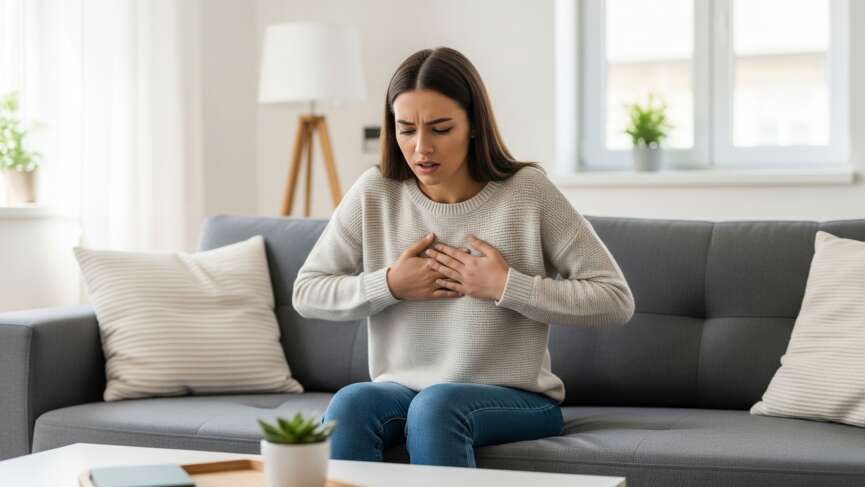
    Think heart disease is just a man’s problem? Think again! It’s the number one killer for both men and women. Shockingly, since 1984, more women have died from heart disease than men. But here’s the twist: women often experience it differently. While men might clutch their chest dramatically, women could have sneakier symptoms like shortness of breath, nausea, or even jaw pain. These subtle signs often get ignored or mistaken for something else. And get this – heart disease has been less studied in women, leading to this dangerous myth. So ladies, don’t brush off those unusual symptoms. And guys, don’t think you’re off the hook either. Heart disease doesn’t discriminate – it’s an equal opportunity threat. Know the signs, stay vigilant, and keep that heart pumping strong!

  • Can Stress Cause A Heart Attack?

    Can Stress Cause A Heart Attack?

    Stress & Heart Health

    Stress can have a huge impact on your heart health, and in some severe cases, it can give you a heart attack. Let me explain. When you experience stress, your body releases hormones like adrenaline and cortisol. These hormones trigger a “fight or flight” response, causing your heart rate and blood pressure to rise. Over time, if stress is constant, this heightened state can cause increased inflammation in the arteries, making them more prone to narrowing and clogging. This narrowing can contribute to a heart attack by restricting blood flow to your heart muscle. Stress also affects your behaviors. People who are stressed may turn to unhealthy coping mechanisms, such as smoking, overeating, or drinking alcohol, which further increase the risk of cardiovascular problems. You should also know that stress can worsen existing heart conditions, putting further strain on the heart. Some studies suggest that severe stress events, such as the loss of a loved one or a major life change, can trigger a heart attack in some people who already have an increased risk. This is also known as “broken heart syndrome,” where the heart temporarily weakens due to a surge of stress hormones. If you believe your life is stressful, finding ways to reduce it is important, as it can hurt your heart. Taking steps to manage stress can help protect your heart in the long run.

  • 5 Major Causes Behind High Blood Pressure

    5 Major Causes Behind High Blood Pressure

    5 Causes Of Blood Pressure

    1. Medications

    Certain medications, such as antihypertensives, diuretics, and vasodilators, can lead to low blood pressure. Patients on antihypertensive medications may experience hypotension, particularly if they are overdosed.

    2. Volume Depletion

    Volume depletion due to dehydration, blood loss, or severe diarrhea can result in low blood pressure. 

    3. Autonomic Dysfunction

    Disorders affecting the autonomic nervous system, such as Parkinson’s disease, multiple system atrophy, and pure autonomic failure, can impair blood pressure regulation, leading to orthostatic hypotension. 

    4. Endocrine Disorders

    Conditions such as adrenal insufficiency and hypothyroidism can cause hypotension. These disorders affect the hormonal regulation of blood pressure. 

    5. Cardiac Conditions

    Heart-related issues such as bradycardia, heart failure, and heart attack can lead to reduced heart output and subsequent hypotension. These conditions impair the heart’s ability to pump blood effectively.

    ⇒ Remember, low blood pressure can indeed be normal for some individuals. Understanding the cause of low blood pressure is so important. Talk to your doctor to know more. 

  • What Is Varicose Veins?

    What Is Varicose Veins?

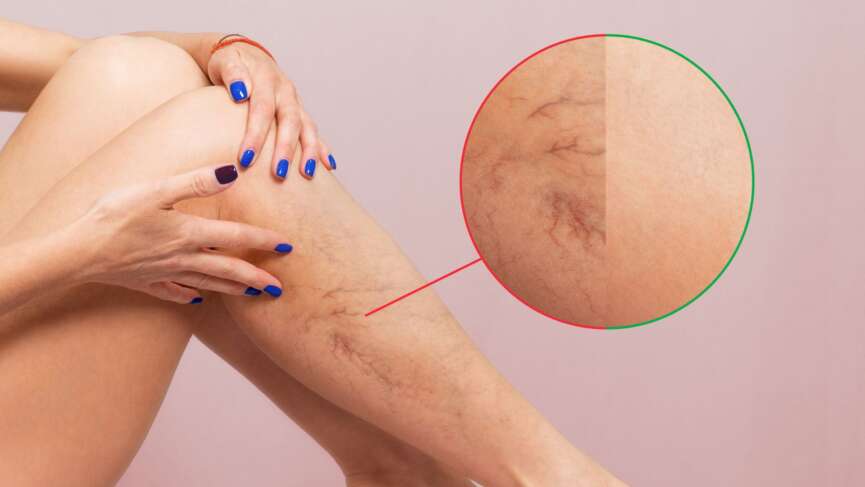
    Hey there! Have you ever noticed those twisted veins on your legs? They’re called varicose veins, and they can be a real pain. In this quick video, we’ll explain what you need to know about varicose veins.

    What is Varicose Veins?

    Varicose veins are those swollen and twisted blood vessels just beneath the skin. Many individuals with varicose veins may experience aching or throbbing pain, especially after prolonged standing or sitting. 

    Swelling, heaviness, or a feeling of fullness in the legs may also occur, particularly at the end of the day or after extended periods of activity. Some individuals may notice skin changes around the affected veins, such as redness, itching, or dryness, and in severe cases, varicose veins may lead to skin ulcers or bleeding.

    5 Most Common Causes of Varicose Veins

    1. Age: As we age, our veins’ walls and valves naturally become less efficient, and veins lose their elasticity and become stiff, causing them to bulge. 
    2. Gender: Women are more susceptible to varicosity due to the effect of hormones. Pregnancy, birth control pill usage, and menopause also further elevate the risk of getting varicose veins.
    3. Family history: Varicose veins can be inherited, increasing the likelihood of developing them.
    4. Occupation: Jobs or activities that involve prolonged periods of standing or sitting can increase pressure on the veins in the legs, impairing blood flow and increasing the risk of varicose veins.
    5. Overall health: Certain conditions, like severe constipation or certain tumors, can increase pressure in the veins, making them more tortuous and bulky.
  • What Are The Risks Of CABG?

    What Are The Risks Of CABG?

    5 complications of CABG surgery 

    1. Bleeding: Bleeding is a common risk during and after CABG surgery. While your surgeons take all the required precautions to minimize bleeding during the procedure, sometimes it cannot be fully controlled. 
    2. Infection: Infection is one of the common complications after any surgical procedure. After the bypass, you can develop an infection at the surgical site or in the chest cavity. Proper wound care and antibiotic therapy can help reduce your risk of infection.
    3. Arrhythmia: Arrhythmias are abnormal heart rhythms that may occur after CABG surgery. They may be transient and resolve on their own or require treatment with medications or cardiac ablation. 
    4. Stroke: During the procedure, clots might break loose from the heart vessels or the aorta, causing them to reach the brain. The clot then interrupts the blood flow to that part of the brain, causing stroke. 
    5. Graft failure: Graft failure is the inability of the bypass grafts to remain open and effectively bypass the blocked or narrowed coronary arteries. 

Sign Up to Our Newsletter

Be the first to know the latest updates